Mount Kilimanjaro
Mountains & Highlands Tanzania Reply in 24h

Mount Kilimanjaro – Africa’s Highest Mountain

Mount Kilimanjaro is Africa’s highest peak and the world’s most famous trekking mountain.

Northern Tanzania
Tanzania
Trusted local operator

Mount Kilimanjaro Overview

Part of our Mountains & Highlands guide.

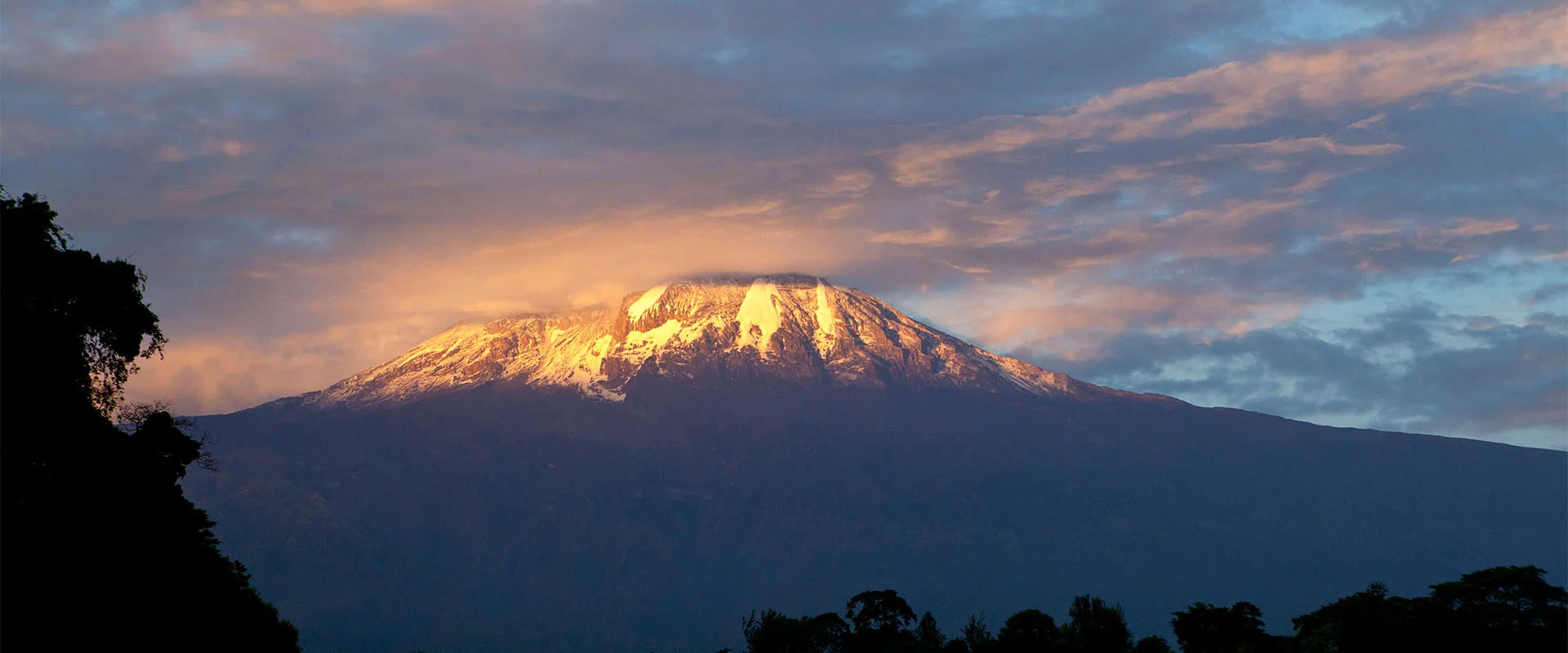
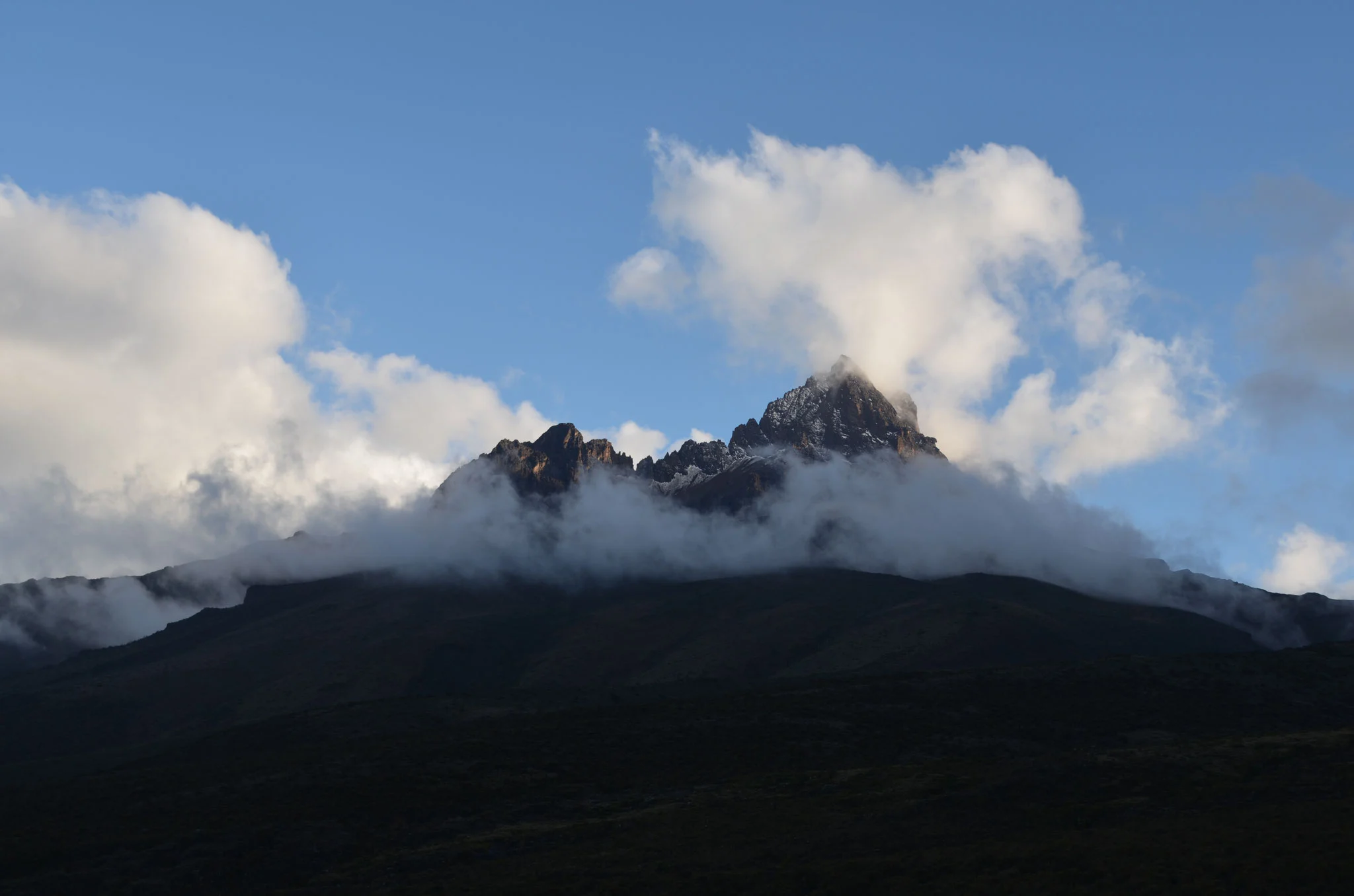
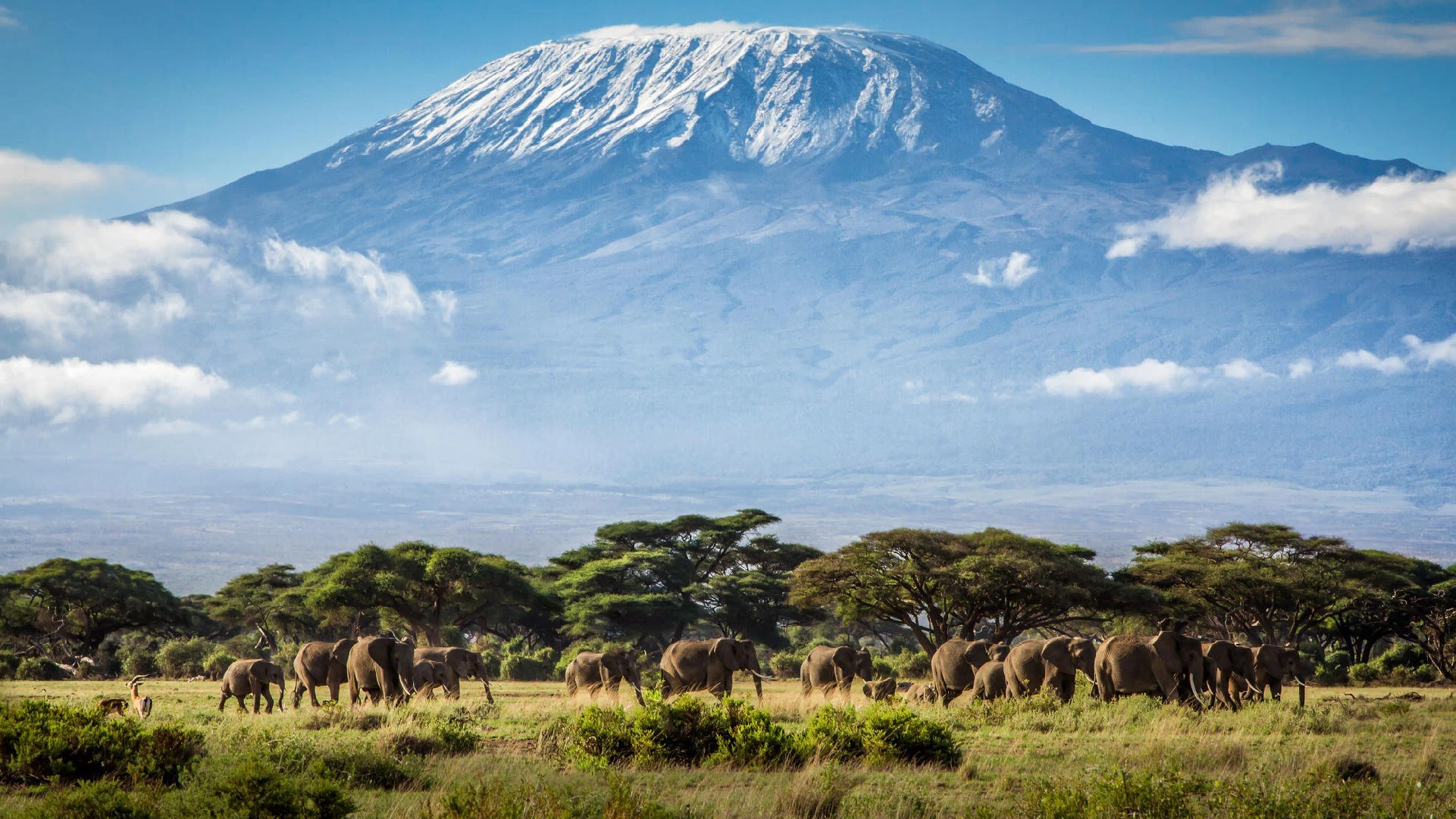
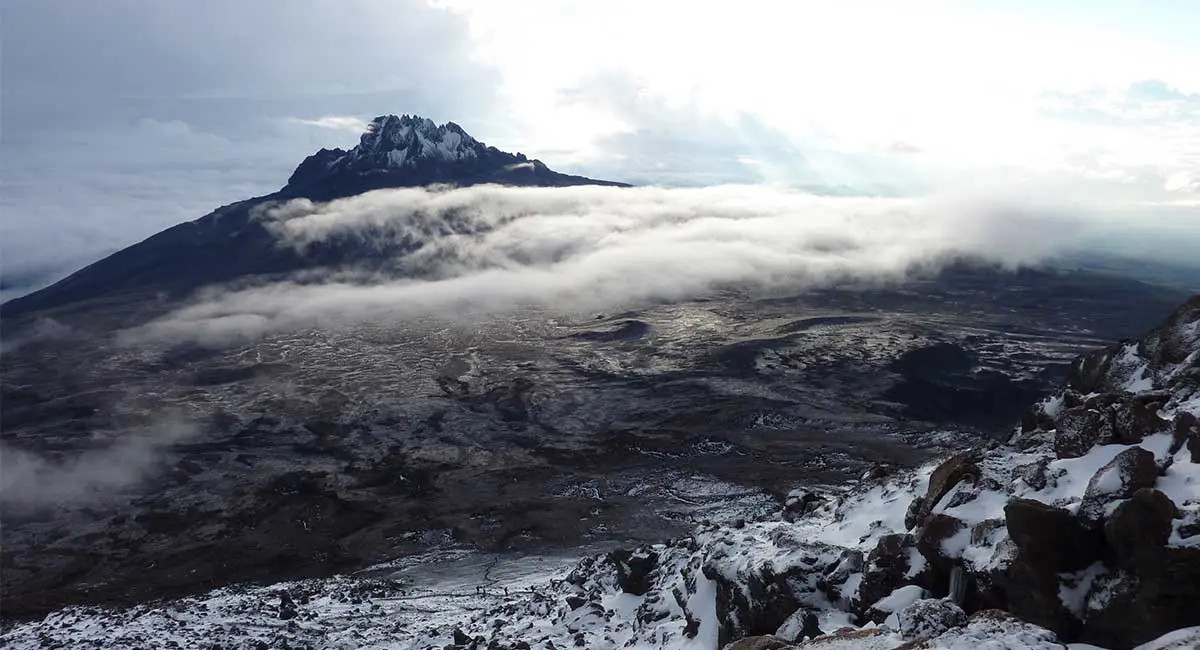
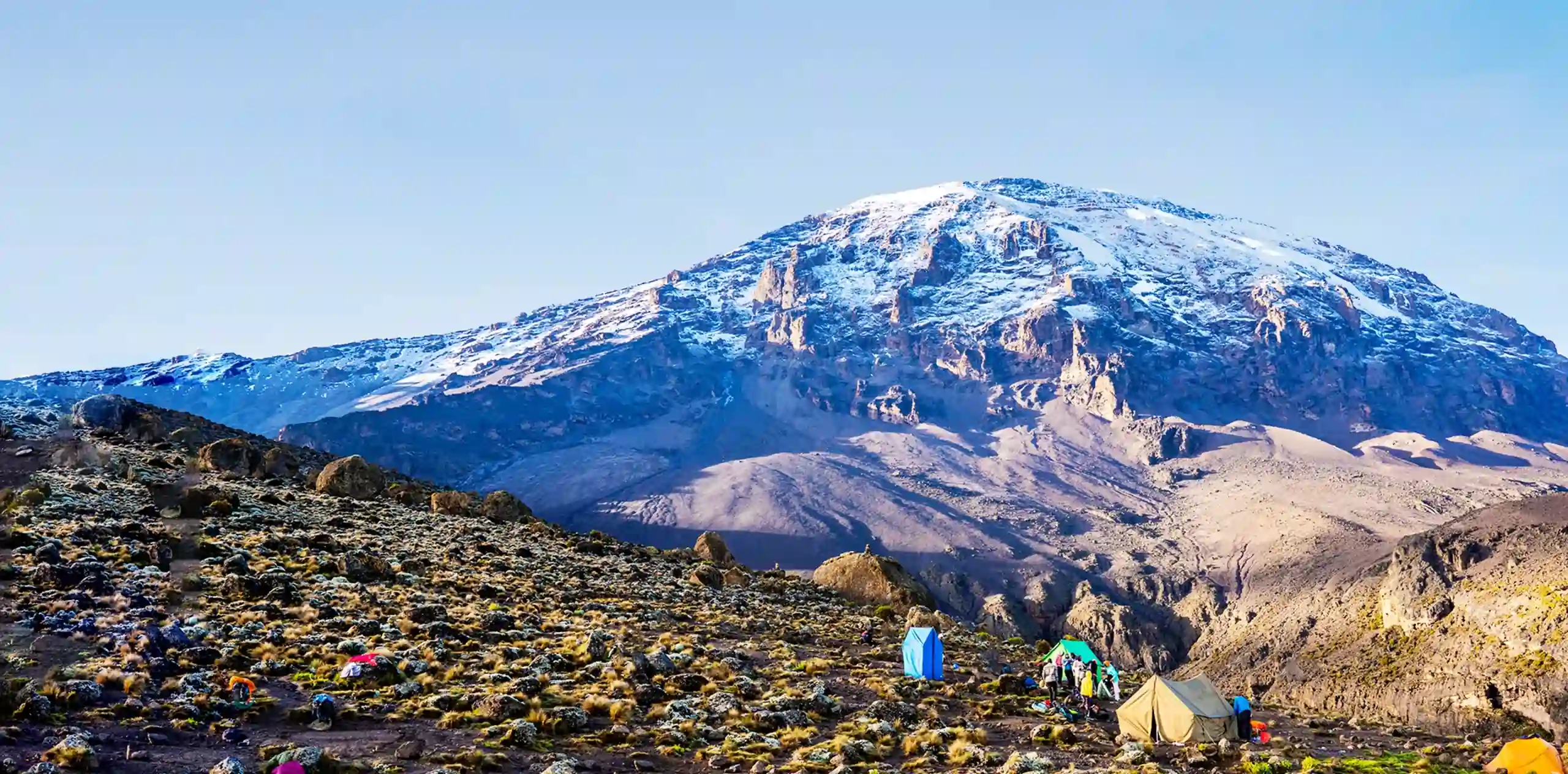
Mount Kilimanjaro is located in northern Tanzania, near the town of Moshi, and stands as the highest mountain in Africa at 5,895 meters (19,341 feet). Often referred to as the “Roof of Africa,” it is one of the most iconic and sought-after trekking destinations in the world.

What makes Kilimanjaro unique is that it is a non-technical climb, meaning it can be summited without mountaineering skills. However, the journey to Uhuru Peak is still a serious challenge, requiring good physical fitness, proper acclimatization, and mental determination.

The mountain is famous for its incredible ecological diversity. As you ascend, you pass through five distinct climate zones:

  • Lush rainforest filled with wildlife
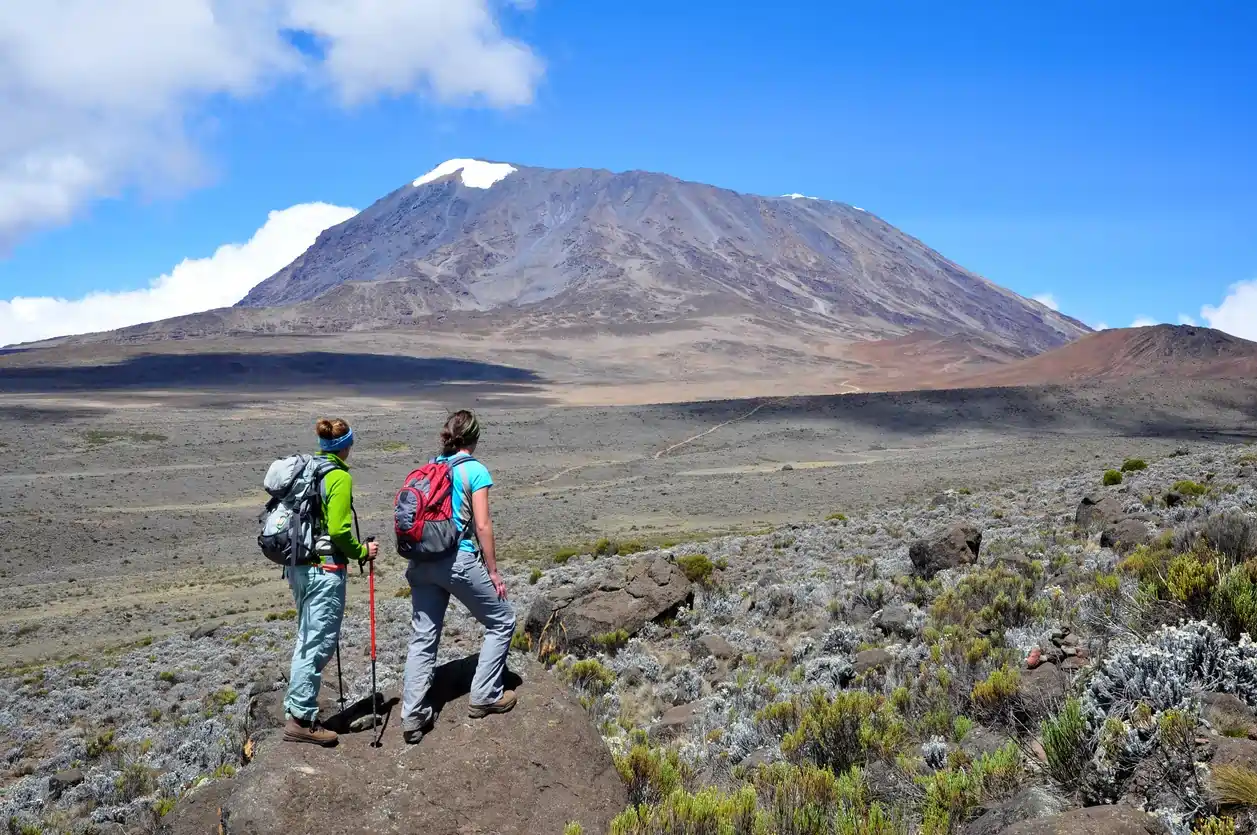
  • Moorland with giant lobelias and open landscapes
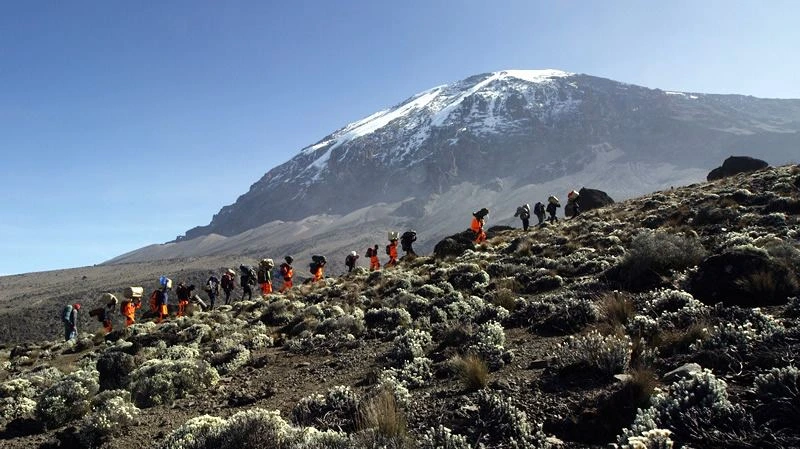
  • Alpine desert with dramatic, rugged terrain
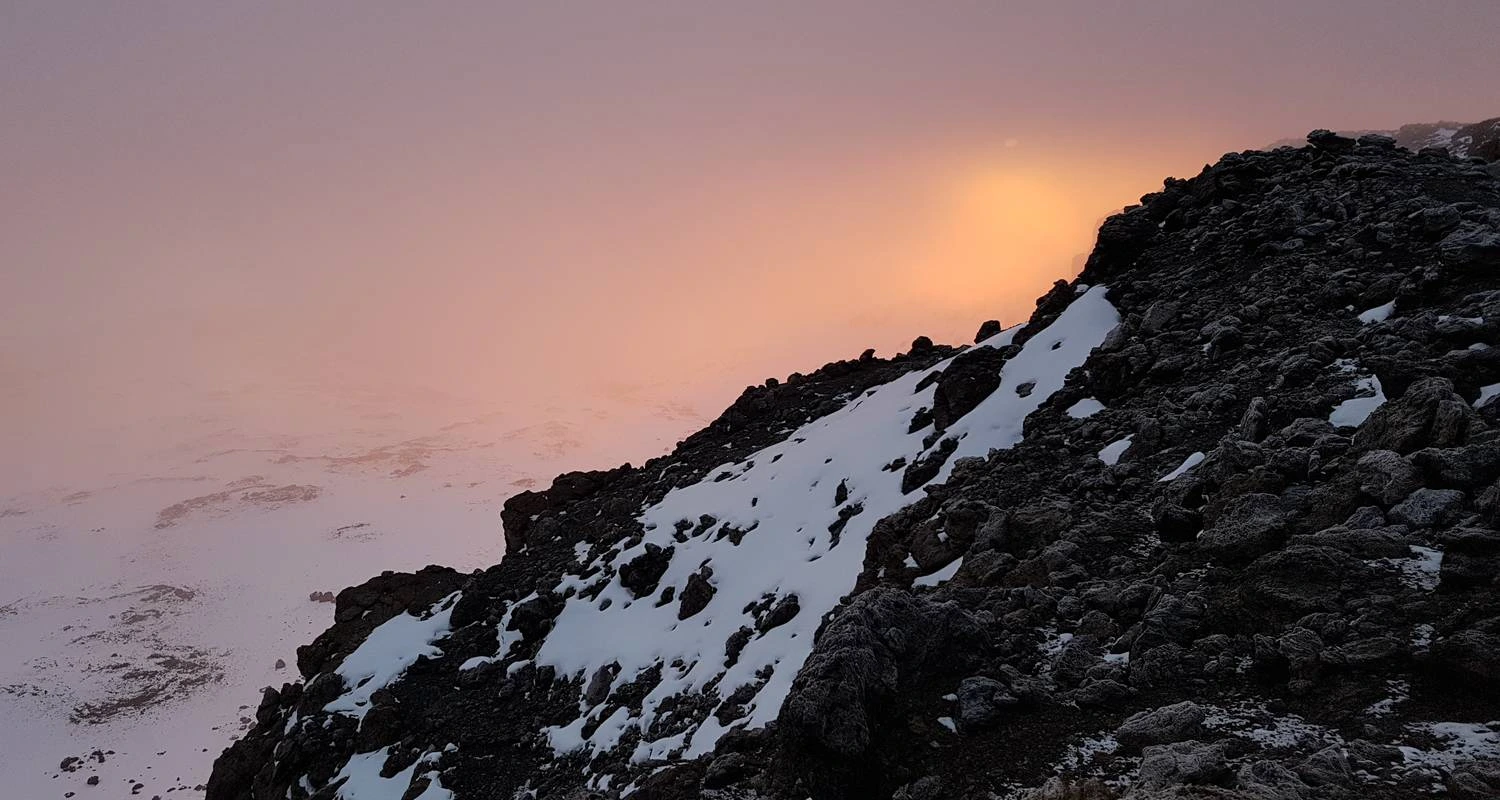
  • Arctic summit zone with glaciers and ice

Each zone offers a completely different experience, making the climb feel like traveling from the equator to the Arctic in just a few days.

Beyond the climb, Mount Kilimanjaro is perfectly positioned for a complete Tanzanian adventure. Many travelers combine the trek with a wildlife safari in destinations like Serengeti National Park or Ngorongoro Crater, followed by a relaxing beach holiday in Zanzibar.

Whether you are seeking a personal challenge, a once-in-a-lifetime adventure, or a meaningful journey, climbing Mount Kilimanjaro offers an unforgettable experience at the top of Africa.

Quick Information

Location: Northern Tanzania

Country / Destination: Tanzania

Location Map
Back to Where to Go

Kilimanjaro Climbing Routes

Choosing a Kilimanjaro route is one of the biggest decisions before the climb. From Moshi, guides often describe the mountain by its moods: the forest can be wet and quiet in the morning, the moorland opens suddenly above the trees, and by the time you reach the alpine desert every extra day of acclimatisation starts to matter. That is why we do not choose a route only because it is famous. We look at the number of days available, the climber’s pace, previous altitude experience, and how much comfort or scenery they want along the way.

Machame is popular because it gives strong scenery and a good trekking rhythm, but it still needs respect, especially for climbers trying to do it in six days. Lemosho gives a gentler start from the western side and is often one of the best choices for a first serious climb because it allows more time for the body to adjust. Marangu is the hut route and can look easier on paper, but the shorter schedule can make acclimatisation harder. Rongai is quieter and approaches from the north, which some guests enjoy when they want a less busy mountain experience. The Northern Circuit is longer, slower and usually the strongest option for acclimatisation when time and budget allow.

RouteTypical durationDifficultyAcclimatisation profileBest suited to
Machame6–7 daysModerate to challengingGood, especially on a 7-day itineraryClimbers wanting scenery, variety and a classic camping route
Lemosho7–8 daysModerateVery good because the route starts gradually from the westFirst-time Kilimanjaro climbers who want a strong overall route
Marangu5–6 daysModerate but often underestimatedLower on shorter itinerariesClimbers who prefer hut accommodation instead of camping
Rongai6–7 daysModerateGood with a steady paceTravellers wanting a quieter approach from the northern side
Northern Circuit8–9 daysModerate with more walking daysExcellent because of the longer mountain scheduleClimbers prioritising acclimatisation, scenery and summit success

A local guide’s advice is simple: do not choose the shortest route just to save one day. Kilimanjaro is not technically difficult like a climbing wall, but the altitude is serious. The climbers who enjoy the mountain most are usually the ones who allow enough time, walk slowly from the first day, drink properly, and listen when the guide says the pace is too fast. On Kilimanjaro, patience is not a weakness; it is part of the strategy.
Climbing Costs on Mount Kilimanjaro (Average per Route)

Kilimanjaro climb costs combine official park charges with the practical cost of running a safe mountain expedition. The conservation fee is charged by day, while huts, camping, rescue cover, guides, porters, cooks, meals, transfers and equipment support are added through the route package.

Official fee itemCurrent planning feeApplies toOreteti planning note
Kilimanjaro conservation feeUS$70.80 adult / US$23.60 childPer person, per park dayThis is the TANAPA park-entry component, not the full climb cost.
East African citizen adult entryTZS 23,600Per person, adult visitor categoryValid identification is required.
Marangu hutsCharged separately by age/categoryMandara, Horombo and Kibo hut useImportant when comparing Marangu with camping routes.
Camping or special campsCharged separately by campsite/categoryMost non-Marangu routesCamp quality, food and crew welfare affect the final price.
Rescue feeSeparate TANAPA rescue itemKilimanjaro and Meru climbsA serious operator also carries first-aid and oxygen support.

For travellers, the most useful comparison is not simply the cheapest route. A well-supported seven-day climb may cost more than a shorter option, but the extra acclimatisation time can make the mountain safer and more enjoyable.

Accommodation on Mount Kilimanjaro

Accommodation for Kilimanjaro has two parts: the hotel before and after the climb, and the sleeping arrangement on the mountain. Both matter. The hotel gives climbers a place to rest, check gear and meet the guide before departure. The mountain accommodation then supports the daily rhythm of walking, eating, resting and recovering at altitude.

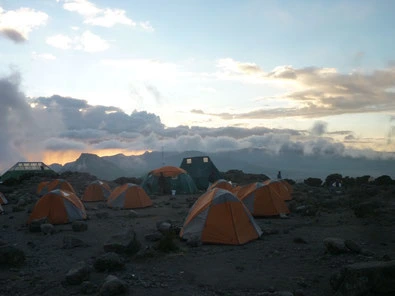
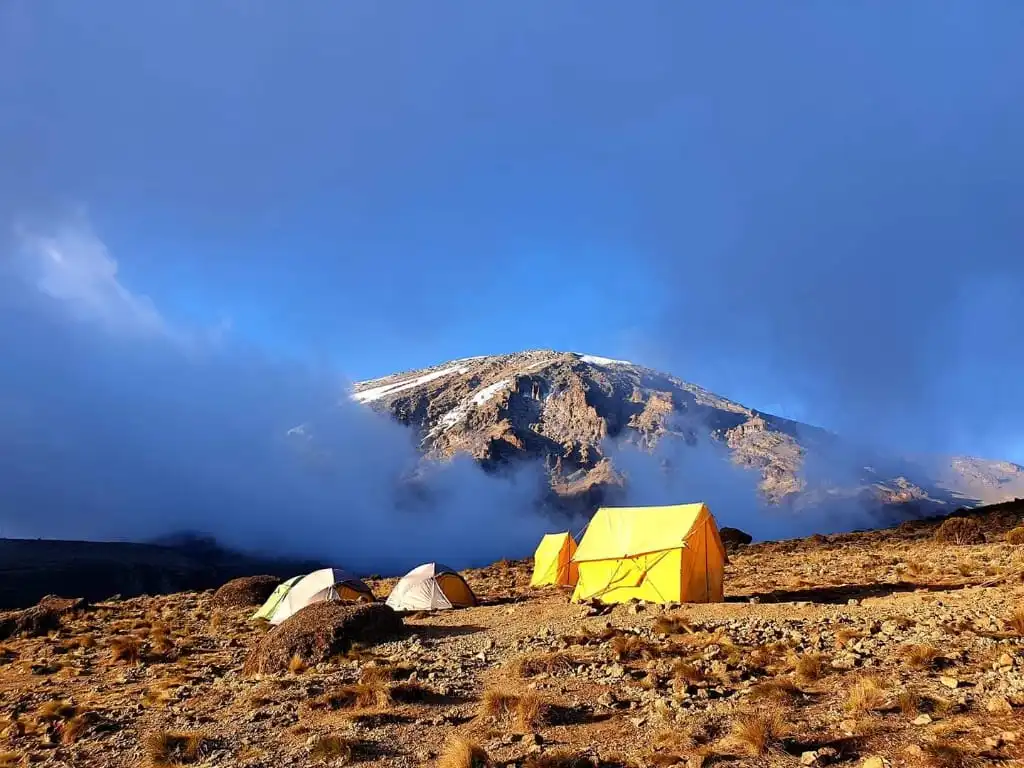
On all routes except Marangu, climbers sleep in high-altitude tents managed by the mountain crew. The team carries and sets up the camp, prepares meals and organises the dining area, so the climber only walks with a daypack. On a well-supported climb, this camp routine becomes part of the experience: hot tea after arrival, a proper meal in the dining tent, an early briefing from the guide, and then rest before the next stage of the mountain.

Marangu is different because it uses mountain huts instead of tents. The huts are simple and shared, with dormitory-style rooms, mattresses and communal dining areas. Some travellers choose Marangu because they prefer not to camp, but the comfort should not be confused with an easy summit. The shorter schedule can still make altitude a challenge.

Accommodation stageTypical optionWhat to expectBest suited to
Before the climbHotel in Moshi or ArushaA comfortable base for gear checks, guide briefing and rest before starting the trekAll climbers, especially those arriving after a long flight
Most mountain routesSupported campingWeather-resistant tents, dining tent, kitchen crew and porter support throughout the climbMachame, Lemosho, Rongai and Northern Circuit climbers
Marangu routeMountain hutsShared dormitory-style rooms with basic facilities and communal dining areasClimbers who prefer huts instead of camping
After the climbRecovery hotel or lodgeA shower, proper bed and relaxed meal after several days on the mountainClimbers continuing to safari or flying out the next day

Moshi is the most practical town for many climbs because it sits close to Kilimanjaro and has a strong mountain-guide culture. Arusha works well when the climb is connected with a northern Tanzania safari because the route to Tarangire, Lake Manyara, Ngorongoro or Serengeti is easier to arrange from there. A comfortable hotel after the climb is not just a luxury; after summit night, most climbers appreciate a quiet room, a hot shower and time to let the body recover.

The quality of mountain equipment makes a real difference. Strong tents, warm sleeping arrangements, reliable food, clean camp organisation and a disciplined crew can change how a climber feels after several days above 3,000 metres. When the budget allows, private toilets and upgraded gear improve comfort, but the most important thing is choosing an operator that treats safety, hygiene and porter welfare seriously.

How to Get to Mount Kilimanjaro

Getting to Kilimanjaro should be planned together with the destinations before and after it. The best route is not always the shortest line on a map.

In practice, transfer timing, road condition, flight schedules and where the guest sleeps the night before all affect how comfortable the day feels.

Usually planned from Moshi or Arusha, with Kilimanjaro International Airport as the main gateway. For Kilimanjaro, we also check arrival time carefully because a late arrival can make the next day feel rushed.

A practical route gives the guest time to arrive, settle and enjoy the destination without treating every transfer as a race. This is especially important when Kilimanjaro is combined with safari, beach or mountain days.

Why Climb Mount Kilimanjaro

Kilimanjaro is not only a place to tick off from an itinerary. The experience is strongest when the day has enough space for the destination to reveal itself naturally.

For Oreteti-style planning, the question is not how many activities can fit into the day, but which activities make sense with the season, the route and the traveller’s energy.

The main appeal of Kilimanjaro is Uhuru Peak, route choice, acclimatisation and the emotional rhythm of a supported climb. That experience is strongest when guests have realistic expectations and are not moved too quickly from one stop to the next.

A good example is how we handle timing: if the light, tide, wildlife or local activity is better at a certain hour, the day should follow that rhythm. This is the difference between simply visiting Kilimanjaro and actually experiencing it.

When to Climb Mount Kilimanjaro

Mount Kilimanjaro can be climbed throughout the year, but the mountain changes character with the season. In Moshi, the morning may look warm and clear, while higher on the mountain the trail can be wet, windy or hidden in cloud. This is why a good climb plan looks at more than a calendar month. It considers trail conditions, visibility, temperature, route choice and how comfortable the climber is with rain or cold nights.

January to March is a good period for climbers who want a quieter mountain. The trails are often less crowded than the main June to October season, and the views can be excellent when the weather opens. Nights are cold at altitude, but the slower atmosphere suits travellers who prefer a calmer climb and more space on the trail.

June to October is the strongest all-round climbing window for most guests. Conditions are generally drier, visibility is better, and many travellers combine the climb with a northern Tanzania safari afterwards. Because this is the busier season, it is important to book early and choose a route that gives enough days for acclimatisation rather than simply choosing the shortest available option.

April and May are the long-rain months. Climbs are still possible, but the lower forest and moorland sections can be wet and muddy, and cloud may reduce views. This season is better for flexible or experienced trekkers than for first-time climbers who want the simplest conditions. November usually brings shorter rains, so the mountain can still be climbed, but plans should remain flexible.

PeriodMountain conditionsBest suited toLocal planning note
January–MarchQuieter trails, cold nights and often clear viewsClimbers who want fewer people and a calm paceA good choice for photographers and travellers comfortable with cold conditions
April–MayLong rains, muddy lower trails and fewer climbersFlexible or experienced trekkersPossible, but not usually the first recommendation for a first climb
June–OctoberDrier weather, better visibility and the busiest seasonMost first-time climbers and safari combinationsThe strongest overall period, especially with a well-paced route
NovemberShort rains and mixed conditionsTravellers with flexible datesCan work well when the itinerary allows for weather changes
DecemberImproving conditions with increasing visitor numbersHoliday travellers and safari combinationsBook early because hotels, guides and crews become busier

For most Oreteti guests, June to October is the easiest recommendation because it gives the best balance of trail conditions and visibility. January to March is excellent for guests who prefer a quieter mountain. April, May and November can still work, but we explain the trade-off clearly because a lower-season climb should be chosen knowingly, not only because the price looks attractive.

Planning Your Visit to Kilimanjaro

A Kilimanjaro visit should be planned around time, altitude and recovery, not only around the summit date. Many travellers arrive in Tanzania after a long flight and want to start immediately, but it is usually better to allow time for a briefing, gear check and proper rest before entering the park. The mountain rewards patience from the first day.

The number of days matters more than many climbers expect. A short route can reduce cost, but it also gives the body less time to adjust to altitude. When we plan Kilimanjaro for first-time climbers, we normally prefer routes with a steadier acclimatisation profile, especially Lemosho, the 7-day Machame option or the Northern Circuit when time allows.

Packing should be practical rather than excessive. Climbers need warm layers, waterproof outerwear, broken-in boots, gloves, a headlamp, sun protection and a comfortable daypack. The mountain crew carries the heavy camp equipment, but personal gear still matters because summit night can feel very cold even when the lower slopes were warm.

Kilimanjaro also connects naturally with a safari. Some guests climb first and then relax with game drives in Tarangire, Ngorongoro or Serengeti. Others prefer a safari first and climb afterwards. The better order depends on fitness, dates and travel style, but we always leave room for recovery because the mountain can take more energy than people expect.

Planning Guides

Helpful reads for Mount Kilimanjaro

Gaudence Mathew

Gaudence Mathew

Online

Interested in visiting Mount Kilimanjaro?

Reach out today - our team will get back to you within 24 hours.