Article Section
The Part Nobody Can Discount: Park Fees
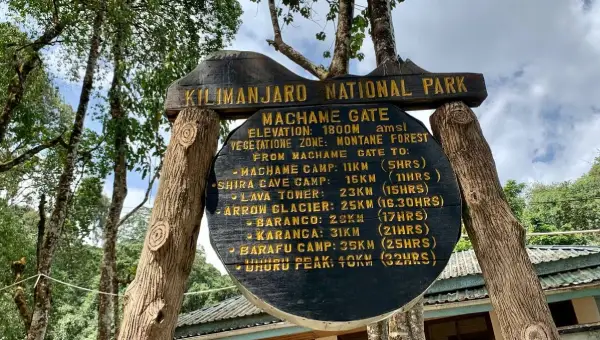
Machame gate, one of the best route to climb Kilimanjaro
This is the piece of the puzzle that's fixed, no matter who you book with. Kilimanjaro National Park is government-managed, and every operator pays the same government rates on your behalf. On top of the daily fees there's a one-time rescue fee, and the whole lot gets an 18% VAT added on.
Here's how those fees break down, using a 7-day, 6-night camping route (Machame, Lemosho, Rongai, or Northern Circuit) as the example:
| Fee Type |
Rate |
Applies For |
Subtotal (per person) |
| Park entry (conservation) fee |
~$70/day |
7 days |
~$490 |
| Camping fee |
~$50/night |
6 nights |
~$300 |
| Rescue fee |
One-time |
1 trip |
~$20 |
| Subtotal before VAT |
~$810 |
| VAT (18%) |
~$146 |
| Total park fees |
~$955 |
On the Marangu Route, the nightly camping fee is replaced by a lower hut fee, so the total comes in somewhat cheaper — but Marangu is also usually done over fewer nights, so the difference is smaller than people expect.
That's roughly $900 to $1,000 per person in park fees alone, before your operator has paid a single guide, cook, or porter, or bought a single bag of rice for the mountain. I tell clients this number first, deliberately, because it puts every other quote they receive into context. If someone offers you a full week on the mountain for anywhere close to that figure, the math simply doesn't work, and something else in the package is being cut to make it fit.
Article Section
What a Fair Price Actually Covers
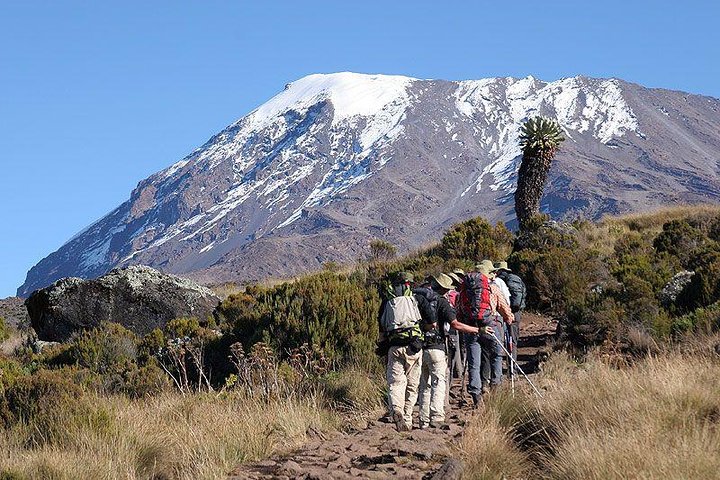
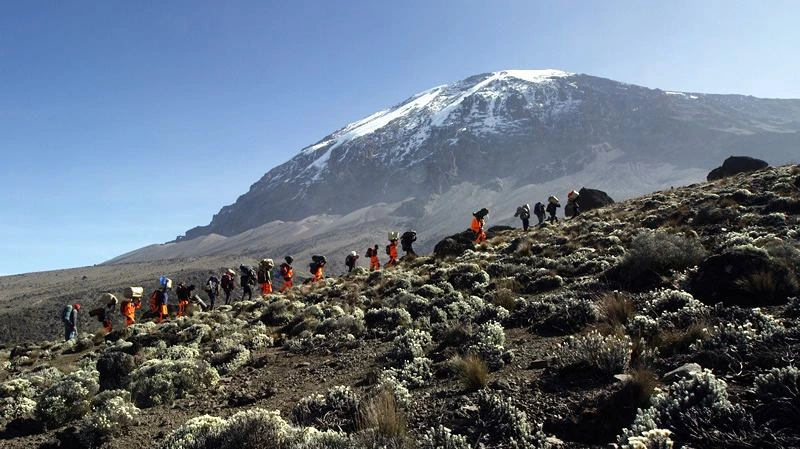
Climbers trekking to Horombo Huts
Beyond park fees, here's what should be baked into any legitimate quote:
- Your mountain crew. A standard small group climb runs with a lead guide, an assistant guide, a cook, and somewhere between 3 and 5 porters per climber, depending on the route and season. Ethical operators pay guides in the range of $30-40 a day and porters $15-20 a day. Some budget operators pay porters as little as $5-8 a day, which is how they undercut everyone else's price, and it's the detail I always ask new clients to press their prospective operator on directly.
- Food and water on the mountain. This should cover three proper meals a day, snacks, and enough treated water for the whole team, not just you. On a longer route this adds up to real money, and it's a place where corners get cut without you ever noticing, because you'll still get fed, just with cheaper ingredients and less variety.
- Group camping equipment. Tents, a mess tent, camp tables and stools, sleeping mats, and on some operators' packages, a proper toilet tent instead of relying on the shared public long-drops at camp. This last one sounds small until you're on day four and genuinely grateful for it.
- Transport to and from the gate. Getting you and your crew to the trailhead and back again, plus transporting all the group gear.
- Emergency oxygen and basic medical kit. Any operator serious about safety carries this as standard, and it should already be built into your price rather than offered as a paid add-on.
Article Section
What's Usually NOT Included, and Catches People Off Guard
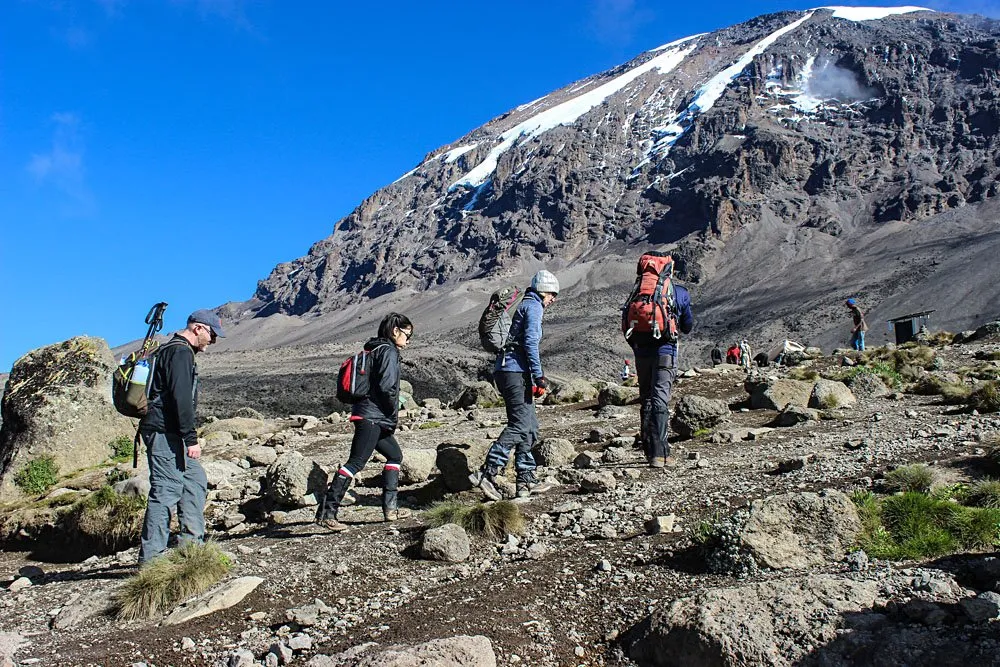
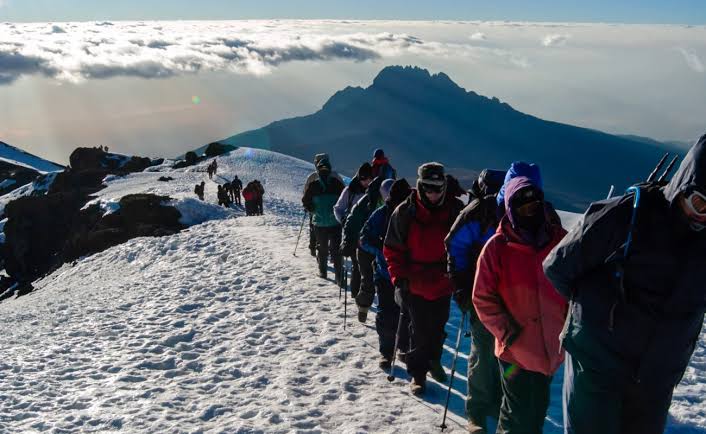
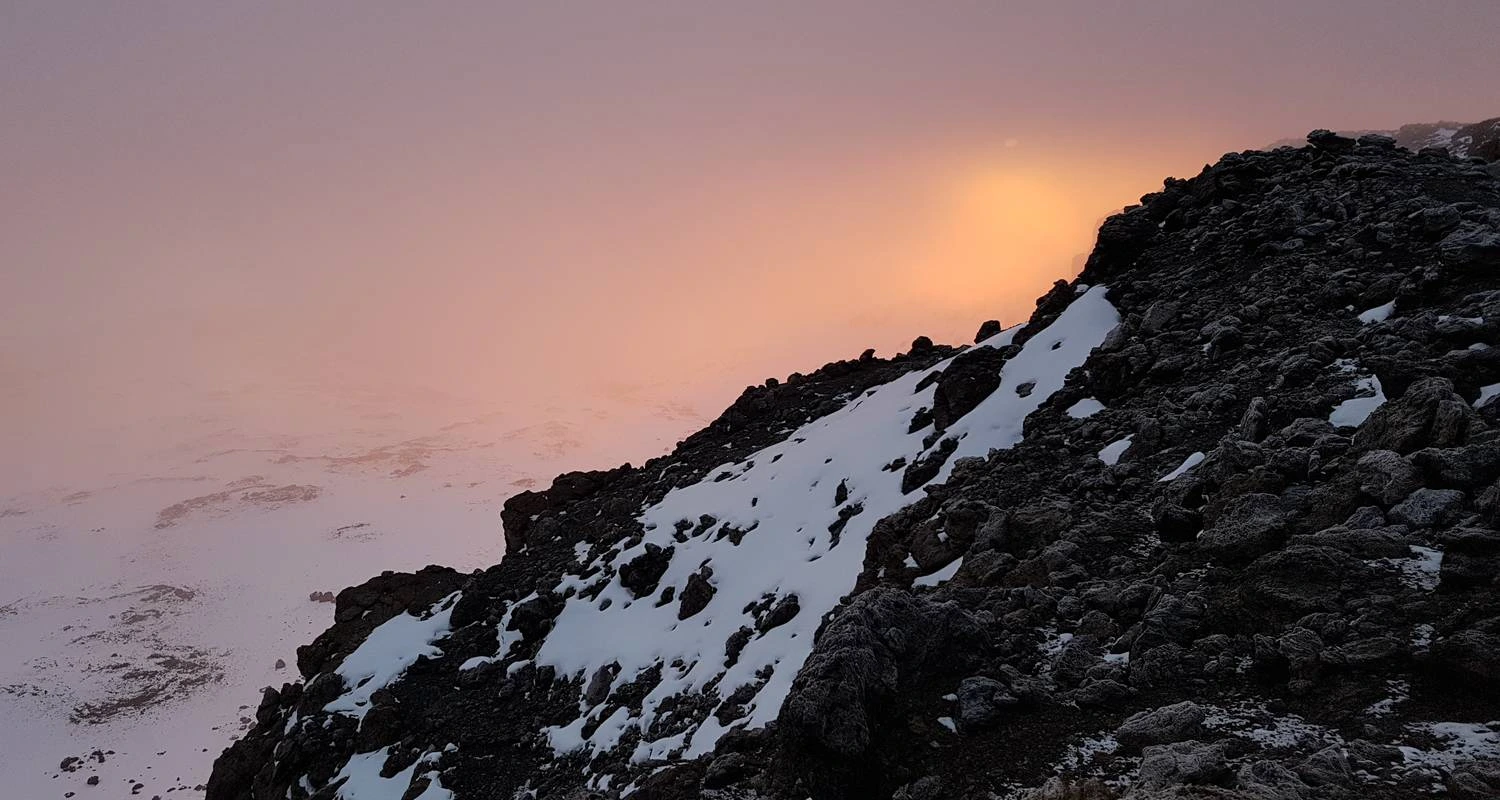
Climbers Approaching Uhuru Peak
- Tips for your crew. This is the big one people forget to budget for. A reasonable tipping guideline for a full crew over a week-long climb sits somewhere around $250-350 per climber, distributed to your guide, cook, and porters at the end of the trip. It's customary, and honestly, it's earned. The porters carrying 20kg loads up the mountain at your pace, sometimes faster, are some of the hardest-working people I know.
- Personal gear rental. Sleeping bags, trekking poles, gaiters, and cold-weather layers can often be rented locally if you don't want to buy or fly with them, but that's usually a separate line item.
- Travel insurance with high-altitude evacuation cover. Standard travel insurance often doesn't cover trekking above a certain altitude, so you need a policy that specifically names Kilimanjaro or high-altitude trekking. Don't assume your regular policy has you covered here.
- Visa fees, international flights, and pre- or post-climb hotel nights. These are trip logistics rather than climb costs, but they add up and should be part of your overall budget.
- Any extension activities. Crater camping, an add-on day, or combining your climb with a few days on safari afterward are usually quoted separately.
Article Section
How to Actually Compare Two Quotes
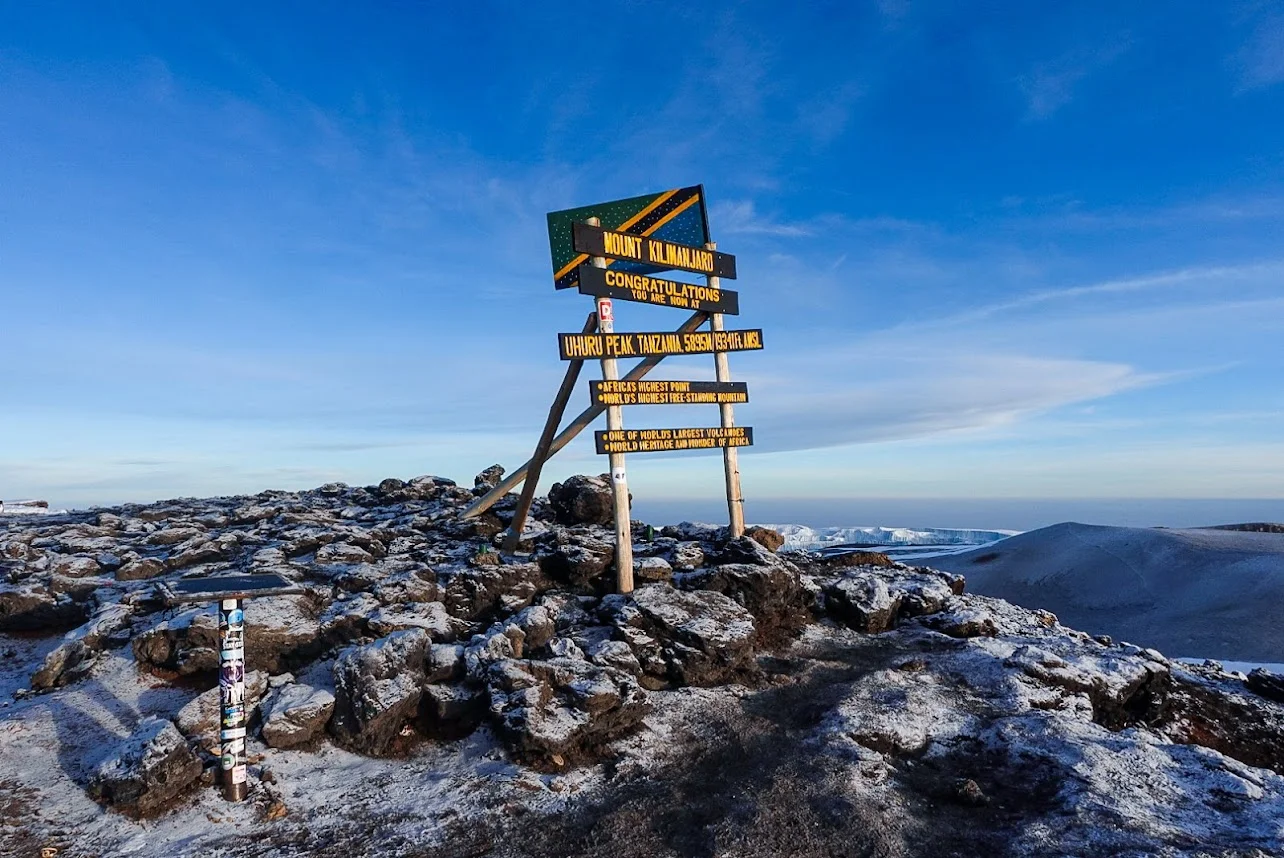
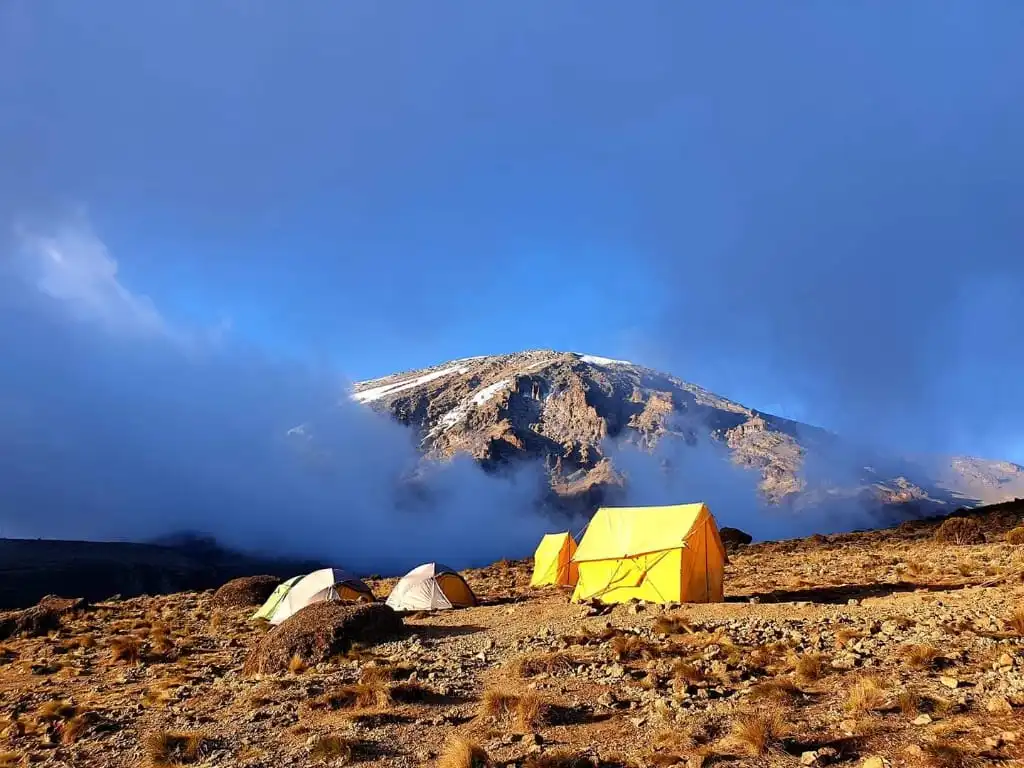
The picture of the summit
Whenever a client sends me a competing quote, I ask the same three questions before I even look at the number: How many porters per climber does this include? What's the daily wage for the crew? And is emergency oxygen actually included, or an optional extra? Those three answers tell you almost everything about where the savings are coming from, more than the headline price ever will.
Priya, in the end, went with the higher quote once she saw the porter wage breakdown side by side. She told me afterward that summit night was hard enough without wondering whether the people helping her up the mountain were being paid fairly to be there. That's really what you're paying for when a quote looks "expensive" - not markup, but the difference between a climb run properly and one running on thin margins at someone else's expense.
If you'd like an honest, itemized quote for your own climb, our Kilimanjaro climbing tours page has a quote request form, and our team will walk you through exactly what's included, route by route, with no guesswork. And if you're weighing up turning your trip into a longer Tanzania adventure, our Tanzania safari packages are easy to combine with a Kilimanjaro climb, so you can budget for both trips together rather than working it out twice.