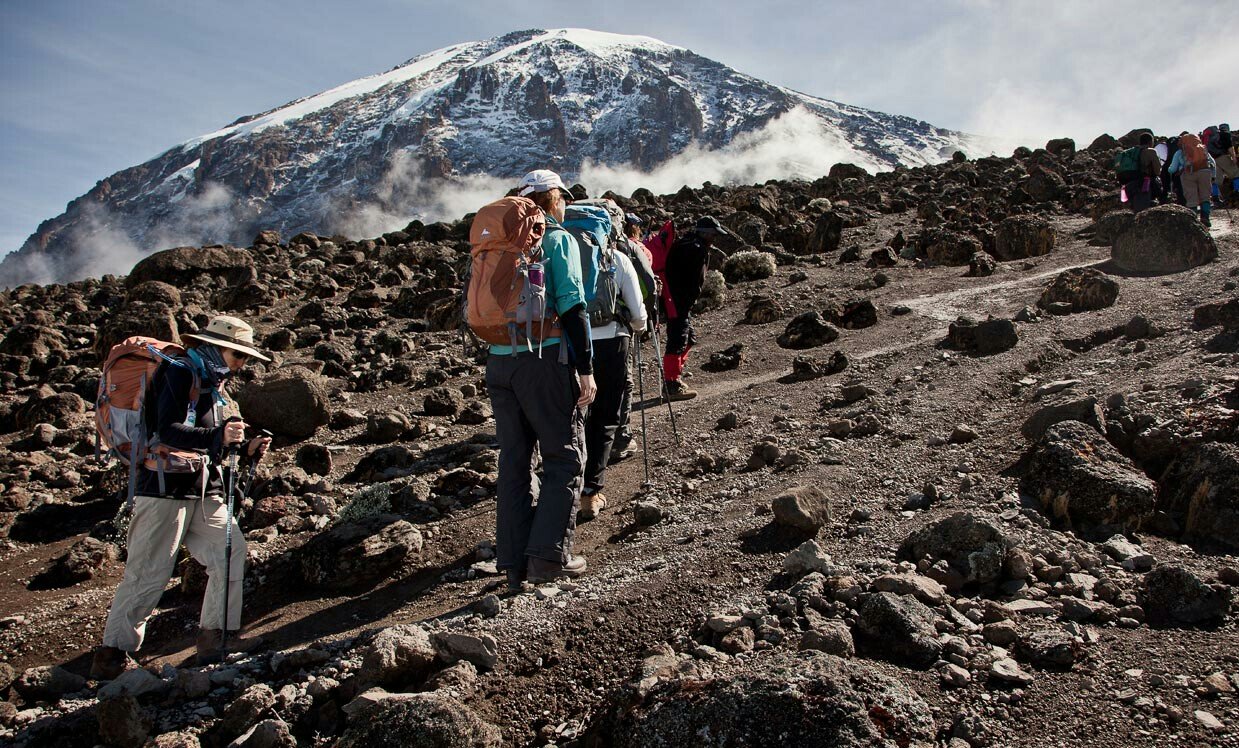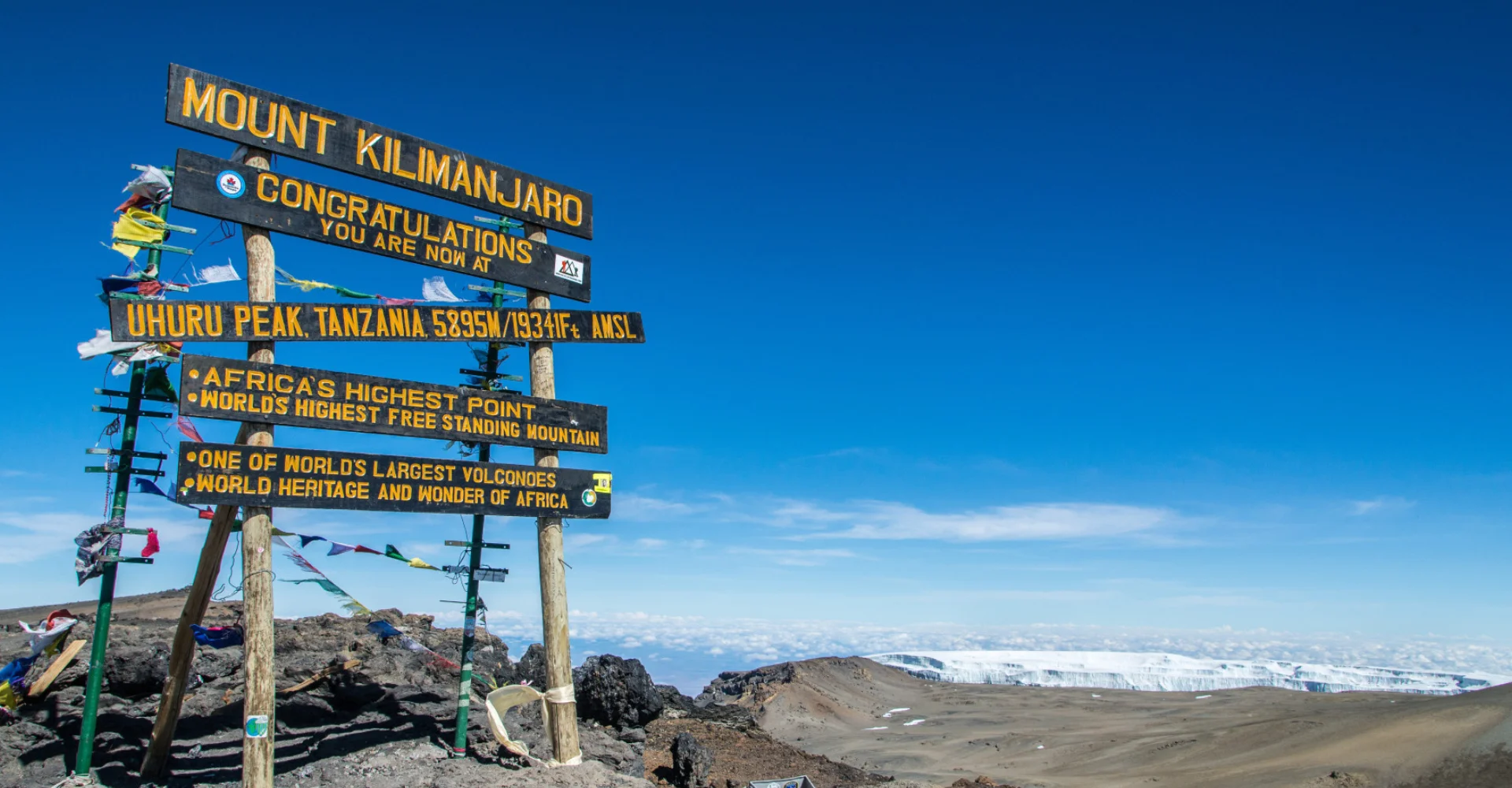
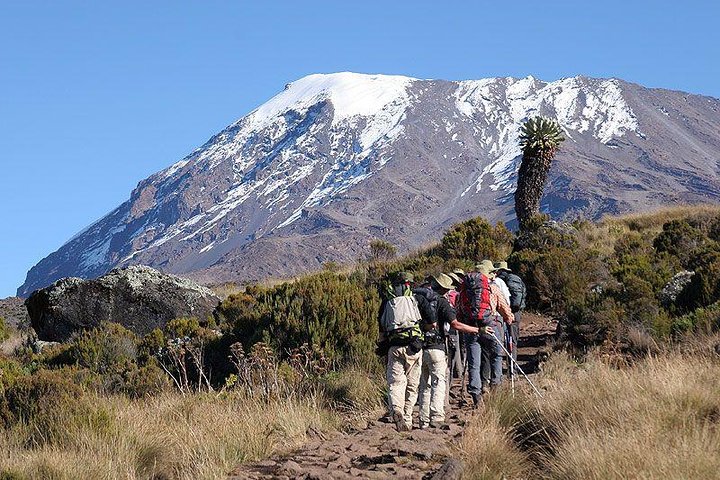
I still remember the first time I stood at Marangu Gate with a client from Ohio, a retired schoolteacher named Carol who had never slept a night outside a hotel in her life. She was terrified of tents. When I told her that on this particular route, she'd sleep in a real bunk bed with a roof over her head every single night on the mountain, her shoulders dropped about two inches. That's Marangu in a nutshell it's the route that says, "yes, you can do this too."
Marangu is the oldest path up Kilimanjaro, cut by German colonial foresters more than a century ago, and it's still the only route on the mountain with hut accommodation from gate to summit. Locals sometimes call it the "Coca-Cola Route," a nickname that used to poke fun at porters who once sold sodas along the trail to thirsty climbers. These days there's no soda stand left, but the name stuck, mostly because people associate it with an easier, more sociable climb.
After guiding and arranging climbs on this mountain for years, I've come to see Marangu less as the "easy route" people assume it is, and more as the route with a different set of trade-offs. It isn't gentler on your lungs or your legs Kilimanjaro doesn't care which path you take once you're above 4,000 meters. What it changes is your comfort, your itinerary length, and honestly, your odds of reaching the top. Let me walk you through why.