Your Complete Tanzania Safari Planning Guide
Travel Guide Reply in 24h See Reviews

Your Complete Tanzania Safari Planning Guide

Tanzania is one of Africa’s most extraordinary travel destinations, known for its iconic wildlife safaris, breathtaking landscapes, and idyllic tropical beaches. From the endless plains of the Serengeti to the crystal...

Local safari experts
Tailor-made trips
Trusted operator

Tanzania Safari Travel Guide: Visas, Costs, Packing & Planning Tips

Tanzania is one of Africa’s most extraordinary travel destinations, known for its iconic wildlife safaris, breathtaking landscapes, and idyllic tropical beaches. From the endless plains of the Serengeti to the crystal-clear waters of Zanzibar, Tanzania offers a diverse and unforgettable experience for every traveler.

This comprehensive Tanzania travel guide is designed to help you plan your journey with ease. Whether you're looking to experience unforgettable Tanzania safaris, witness the Great Migration, explore world-famous national parks, relax on pristine beaches, or immerse yourself in local culture, you’ll find everything you need right here.

Beyond its famous safari circuit, Tanzania is home to incredible natural wonders and cultural richness. You can climb the legendary Mount Kilimanjaro, visit the Ngorongoro Crater—one of the best places in Africa to see wildlife—or discover hidden gems across the country. Each destination offers its own unique charm and adventure.

Whether you're planning a luxury safari, a midrange escape, or a budget-friendly trip, this guide will walk you through every essential detail—from where to go and when to visit, to safari costs, accommodation options, and practical travel tips—ensuring a smooth and rewarding travel experience.

Tanzania Quick Facts
Tanzania Quick Facts

Before planning your trip, it’s helpful to understand some essential information about Tanzania. These quick facts provide a clear overview of the country, covering key details such as its capital, currency, language, and practical travel essentials.

🟢 Capital & Population

Tanzania’s official capital city is Dodoma, located in the central part of the country. However, the largest and most commercially active city is Dar es Salaam, which serves as the main gateway for international travelers and a hub for business and coastal tourism. Tanzania has a population of approximately 65 million people, made up of diverse ethnic groups and cultures that contribute to the country’s rich heritage.


🟢 Currency & Time Zone

The official currency used in Tanzania is the Tanzanian Shilling (TZS), although US Dollars (USD) are widely accepted in tourism-related services such as safaris, hotels, and tour bookings. It is advisable to carry some local currency for small purchases, especially in local markets and rural areas. Tanzania operates on East Africa Time (EAT), which is GMT +3, and the country does not observe daylight saving time.


🟢 Languages Spoken

The official languages of Tanzania are Swahili and English. Swahili is the national language and is spoken widely across the country in everyday communication. English is commonly used in tourism, business, and formal settings, making it easy for international visitors to communicate in hotels, lodges, and safari camps. Learning a few basic Swahili phrases can greatly enhance your travel experience and interactions with local communities.


🟢 Power & Plug in Tanzania

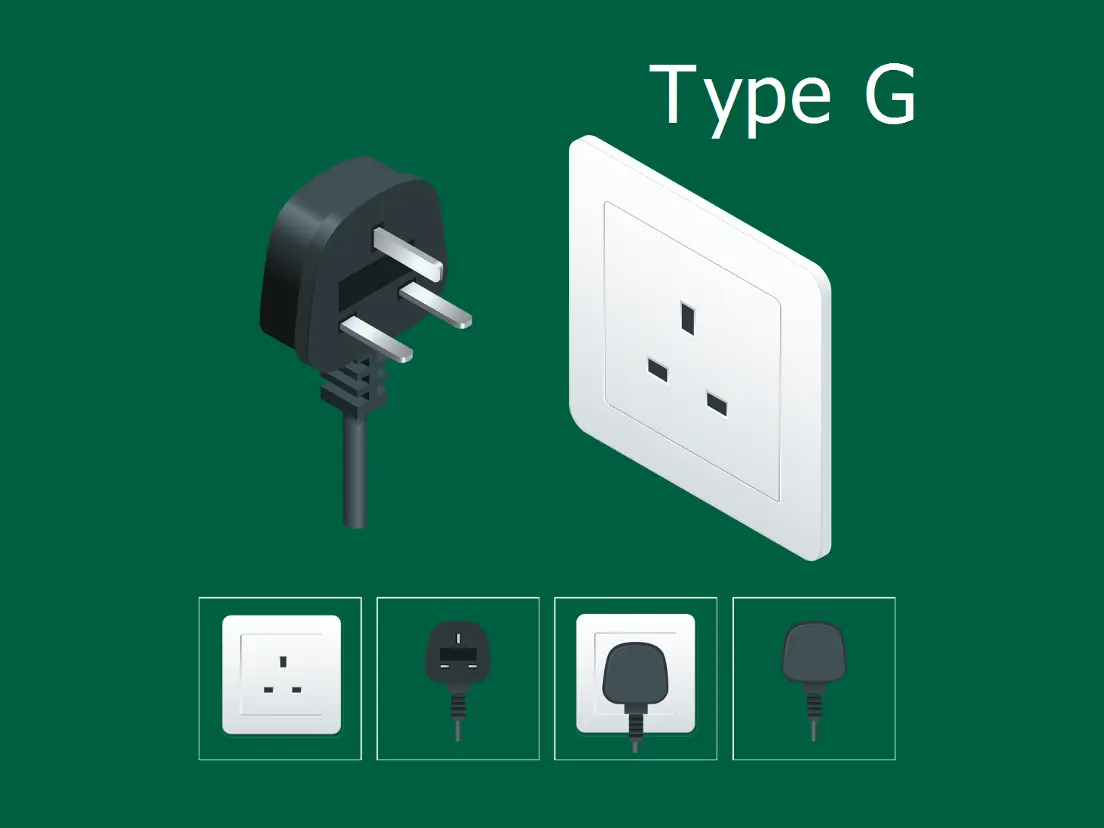
Electricity in Tanzania operates on a 230-volt supply with a frequency of 50Hz. The most commonly used plug types are Type D and Type G, the latter being the same as the UK standard. Travelers coming from countries that use different plug systems, such as the United States or much of Europe, will need a universal travel adapter to charge their devices. While most hotels and lodges provide reliable electricity and charging facilities, it is always recommended to carry your own adapter for convenience, especially when traveling to remote safari areas.
Where to go in Tanzania

Tanzania is home to some of Africa’s most iconic and diverse travel destinations, offering everything from world-famous national parks to tropical islands and vibrant cultural towns. Whether you're planning your first visit or returning for a new adventure, choosing where to go in Tanzania depends on your interests, travel style, and the kind of experience you're seeking.

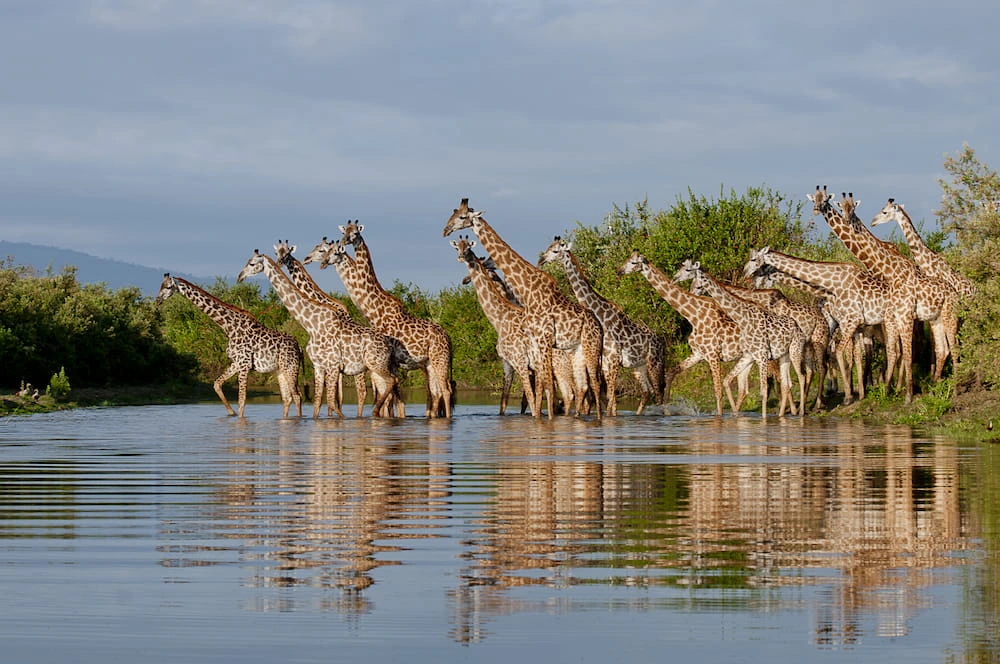
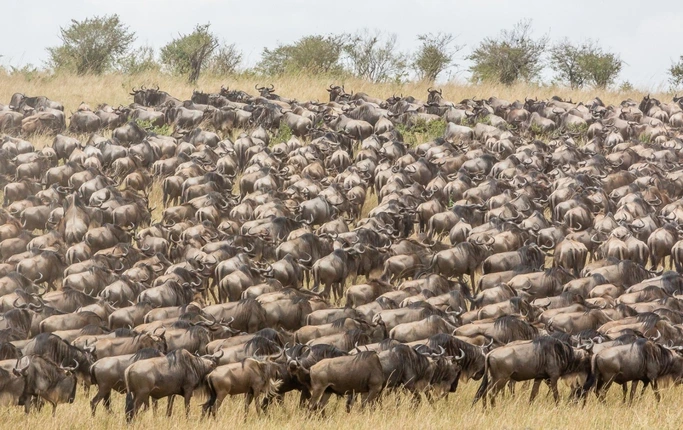
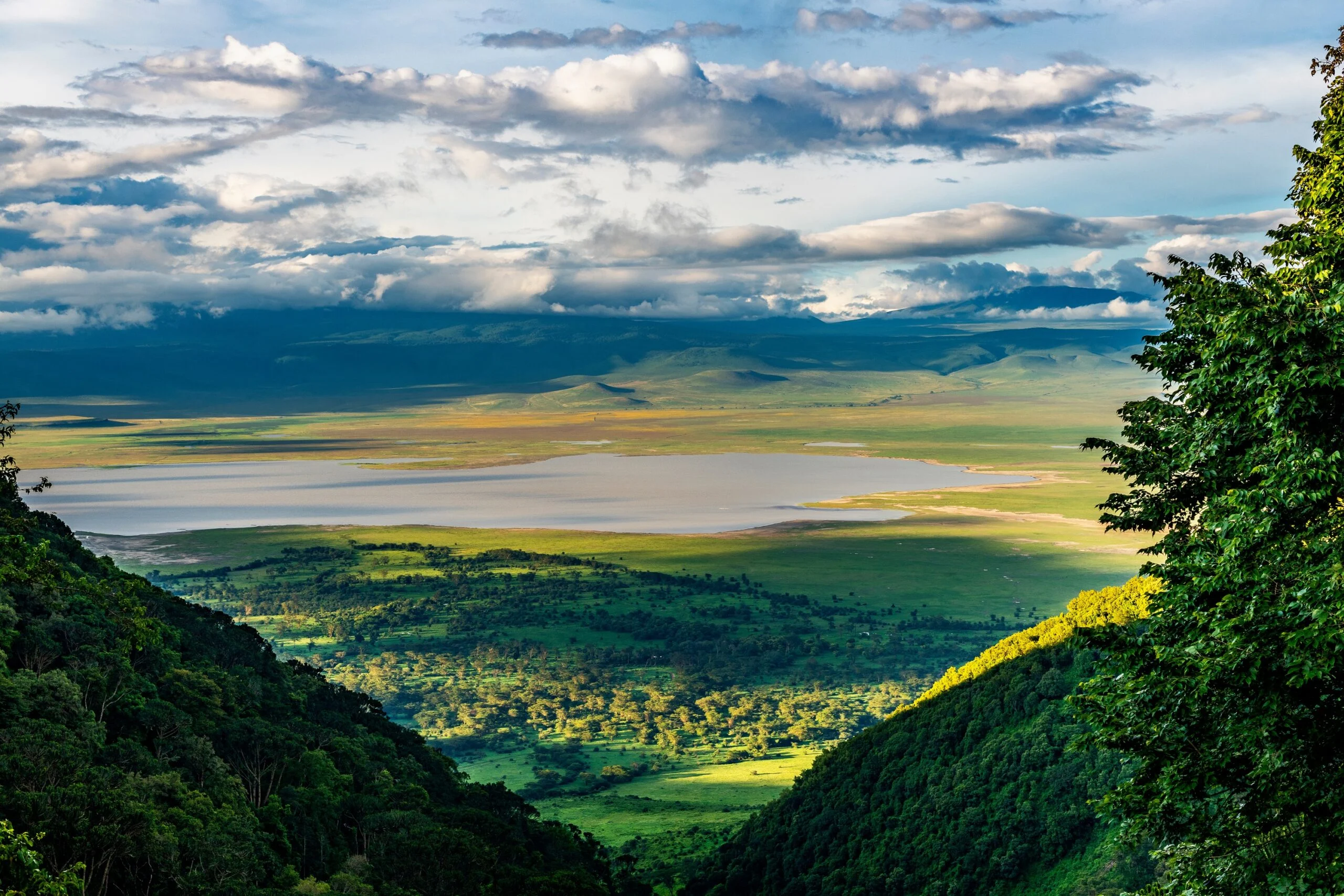
For wildlife lovers, Tanzania’s northern safari circuit is the most popular, featuring legendary destinations such as the Serengeti National Park and the Ngorongoro Crater, where you can experience exceptional game viewing and the Great Migration. Other parks like Tarangire and Lake Manyara also offer unique landscapes and rich wildlife encounters.

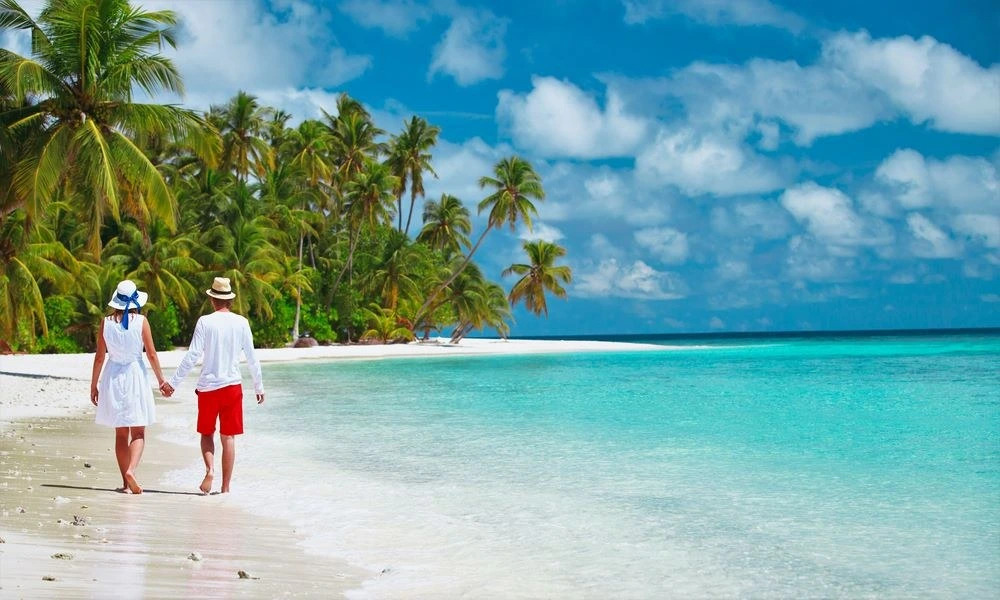
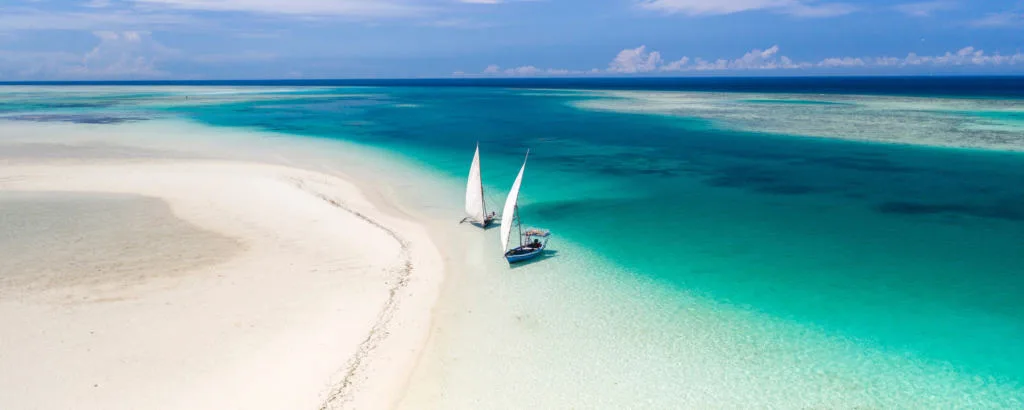
If you're looking to relax after a safari, Tanzania’s coastline and islands provide the perfect escape. The island of Zanzibar is famous for its white-sand beaches, turquoise waters, and cultural heritage, while quieter destinations like Mafia Island offer excellent marine experiences, including snorkeling and diving.

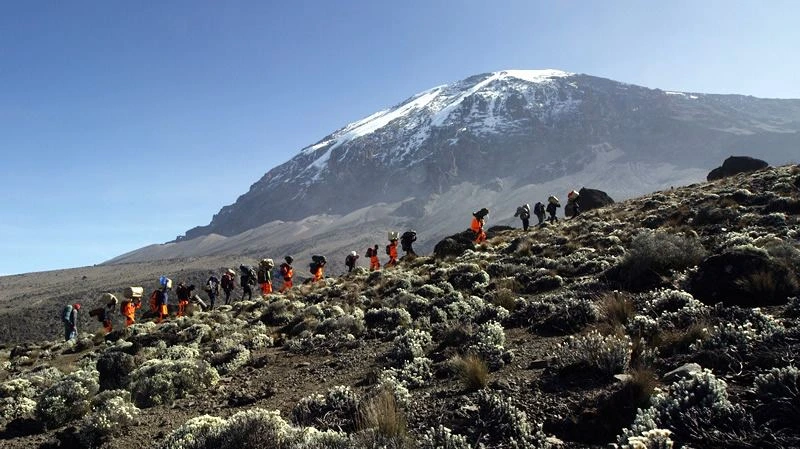
Beyond safaris and beaches, Tanzania also offers cultural and scenic destinations. Cities like Arusha and Moshi serve as gateways to major attractions, while Mount Kilimanjaro attracts trekkers from around the world seeking to summit Africa’s highest peak.

Below, you’ll find some of the most popular places to visit in Tanzania. Each destination is carefully selected to help you explore the country’s highlights—click through to discover detailed guides, travel tips, and what makes each location unique.

Best Time to Visit Tanzania

Tanzania is a year-round destination, with each season offering unique travel experiences—from peak wildlife viewing in the dry months to lush landscapes during the green season. Understanding the best time to visit depends on what you want to see and do.

For a detailed breakdown of seasons, wildlife highlights, and monthly travel insights, explore our complete guide on the best time to visit Tanzania.


Best Time for Tanzania Safari and Zanzibar Tours

Combining a Tanzania safari with a Zanzibar beach holiday creates one of Africa’s most iconic travel experiences. While this safari-and-beach combination can be enjoyed year-round, the best time depends on wildlife viewing conditions in the national parks and weather patterns along Zanzibar’s coastline.

Jan
Feb
Mar
🌧 Apr
🌧 May
Jun
Jul
Aug
Sep
Oct
Nov
Dec

January Travel Conditions

Recommended
Avg High30°C
Avg Low20°C
Rainfall85 mm
Humidity70%
Crowdsmedium
Cost Levelhigh

January is an excellent month for combining a Tanzania safari with Zanzibar’s tropical beaches. The Serengeti calving season brings high predator activity, while Zanzibar enjoys warm temperatures and inviting ocean conditions.

Highlights

  • Wildebeest calving season in Serengeti
  • Warm beach weather in Zanzibar
  • Ideal ocean swimming conditions
  • Excellent wildlife photography opportunities

Our View

January offers one of the most balanced bush-and-beach experiences. It is especially recommended for honeymoon safaris and couples seeking wildlife drama followed by relaxing island time.
Best For: honeymoon safari and beach trips, photography-focused holidays, romantic escapes
Avoid If: you prefer completely dry conditions

February Travel Conditions

Strongly Recommended
Avg High30°C
Avg Low21°C
Rainfall75 mm
Humidity68%
Crowdsmedium
Cost Levelhigh

February is one of the finest months to combine a Tanzania safari with a Zanzibar beach holiday. The Serengeti’s calving season reaches its peak, offering exceptional wildlife drama, while Zanzibar enjoys warm sunshine and calm ocean waters.

Highlights

  • Peak wildebeest calving season
  • Excellent predator sightings
  • Warm and sunny Zanzibar beaches
  • Perfect conditions for swimming and snorkeling

Our View

February is highly recommended for couples, honeymooners, and travelers seeking the ultimate bush-and-beach experience. It combines wildlife intensity with tropical relaxation in ideal conditions.

Best For: luxury safari and beach honeymoons, romantic holidays, wildlife photography with island relaxation
Avoid If: you are looking for low-season pricing

March Travel Conditions

Fair Season
Avg High29°C
Avg Low20°C
Rainfall130 mm
Humidity75%
Crowdslow
Cost Levelmedium

March offers a quieter safari experience as the long rains begin across Tanzania’s national parks. Landscapes turn lush and green, while Zanzibar remains warm with inviting ocean temperatures. Rain typically falls in short bursts rather than all day.

Highlights

  • Fewer safari vehicles
  • Vibrant green scenery
  • Warm tropical beach conditions
  • Flexible lodge availability

Our View

March suits travelers who prefer quieter parks and lush scenery over peak dry-season conditions. Zanzibar still provides a relaxing beach atmosphere, though humidity increases.

Best For: privacy-focused trips, flexible travelers, scenic photography
Avoid If: you prefer dry safari roads and peak wildlife concentration

April Travel Conditions

🌧 Fair Season
Avg High28°C
Avg Low20°C
Rainfall220 mm
Humidity80%
Crowdslow
Cost Levellow

April is the wettest month in Tanzania and generally the least recommended time for combining a safari with Zanzibar. Heavy rains affect game drive conditions inland, and beach weather can be unsettled. While luxury lodges still operate, flexibility is essential.

Highlights

  • Very quiet safari parks
  • Green and dramatic landscapes
  • Lower visitor numbers
  • Potentially reduced rates

Our View

April is best suited for flexible travelers who prioritize privacy over optimal weather. For the classic safari-and-beach experience, dry season months are strongly recommended.

Best For: budget-conscious travelers, flexible itineraries, repeat visitors
Avoid If: you want reliable sunshine and prime wildlife conditions

May Travel Conditions

🌧 Fair Season
Avg High28°C
Avg Low19°C
Rainfall160 mm
Humidity75%
Crowdslow
Cost Levelmedium

May offers a peaceful bush-and-beach experience as Tanzania transitions out of the long rainy season. Safari parks remain lush and quiet, and Zanzibar gradually improves toward the end of the month. Wildlife viewing improves as rainfall decreases.

Highlights

  • Very low safari traffic
  • Scenic green landscapes
  • Gradually improving road conditions
  • Better beach weather late month

Our View

May suits flexible travelers who value privacy and scenery. For the best combination of strong wildlife viewing and reliable beach sunshine, June onward is more optimal.

Best For: quiet safari-and-beach trips, scenic photography, flexible schedules
Avoid If: you want guaranteed dry safari conditions

June Travel Conditions

Recommended
Avg High27°C
Avg Low18°C
Rainfall50 mm
Humidity65%
Crowdsmedium
Cost Levelhigh

June marks the start of Tanzania’s dry season, bringing excellent safari conditions and improving beach weather in Zanzibar. Wildlife becomes easier to spot as vegetation thins, while Zanzibar offers warm temperatures and pleasant ocean conditions.

Highlights

  • Dry season begins
  • Improving wildlife concentration
  • Comfortable safari temperatures
  • Calmer beach conditions

Our View

June is a strong month for combining safari and beach relaxation. It offers reliable wildlife viewing inland and enjoyable beach time without the peak-season crowds of July and August.

Best For: balanced bush-and-beach trips, honeymoon combos, wildlife-focused holidays with beach relaxation
Avoid If: you specifically want peak migration river crossings

July Travel Conditions

Strongly Recommended
Avg High26°C
Avg Low18°C
Rainfall25 mm
Humidity60%
Crowdshigh
Cost Levelhigh

July is one of the finest months to combine a Tanzania safari with a Zanzibar beach holiday. Dry season conditions create outstanding wildlife viewing opportunities, while Zanzibar enjoys sunny skies and pleasant ocean breezes.

Highlights

  • Peak dry season safari conditions
  • Great Migration river crossings begin
  • Excellent predator activity
  • Sunny and breezy Zanzibar beaches

Our View

July is highly recommended for travelers seeking the classic bush-and-beach experience. It offers excellent wildlife action followed by relaxing island time in ideal weather conditions.

Best For: honeymoon safari & beach holidays, migration-focused trips, luxury bush-and-beach itineraries
Avoid If: you prefer low-season pricing or fewer safari vehicles

August Travel Conditions

Strongly Recommended
Avg High27°C
Avg Low18°C
Rainfall25 mm
Humidity55%
Crowdshigh
Cost Levelhigh

August is one of the very best months to combine a Tanzania safari with a Zanzibar beach holiday. The Great Migration river crossings reach peak intensity, and Zanzibar enjoys sunny skies with calm ocean conditions ideal for swimming and snorkeling.

Highlights

  • Peak Mara River crossings
  • Excellent predator encounters
  • Sunny and dry beach weather
  • Ideal snorkeling and diving conditions

Our View

August is highly recommended for travelers seeking the most dramatic safari moments followed by relaxing tropical beach time. Advance booking is essential due to high demand.

Best For: luxury safari and beach packages, migration-focused holidays, honeymoon and anniversary trips
Avoid If: you prefer lower crowds or discounted pricing

September Travel Conditions

Strongly Recommended
Avg High28°C
Avg Low19°C
Rainfall30 mm
Humidity55%
Crowdshigh
Cost Levelhigh

September remains one of the best months to combine a Tanzania safari with Zanzibar beach relaxation. The Great Migration continues dramatic river crossings, and dry season conditions ensure excellent wildlife viewing. Zanzibar offers sunny skies and pleasant ocean temperatures.

Highlights

  • Ongoing migration river crossings
  • Excellent wildlife concentration
  • Sunny and dry beach weather
  • Ideal snorkeling and swimming conditions

Our View

September is highly recommended for travelers wanting prime safari action combined with relaxing island time. It offers one of the most well-balanced bush-and-beach experiences of the year.

Best For: migration safaris with beach extension, luxury honeymoon trips, premium bush-and-island holidays
Avoid If: you are looking for low-season pricing

October Travel Conditions

Recommended
Avg High29°C
Avg Low20°C
Rainfall45 mm
Humidity60%
Crowdsmedium
Cost Levelhigh

October remains a strong month for combining safari and Zanzibar beach relaxation. Wildlife visibility is still excellent as water sources remain limited inland, while Zanzibar continues to offer warm sunshine and inviting ocean conditions.

Highlights

  • Strong wildlife concentration
  • Warm and sunny beach days
  • Slightly fewer safari vehicles
  • Comfortable ocean temperatures

Our View

October is recommended for travelers seeking excellent safari conditions with somewhat reduced peak-season crowds. It remains a reliable month for both wildlife viewing and beach relaxation.

Best For: balanced safari-and-beach holidays, luxury bush-and-island trips, migration tail-end experiences
Avoid If: you prefer cooler safari temperatures

November Travel Conditions

Fair Season
Avg High30°C
Avg Low21°C
Rainfall110 mm
Humidity70%
Crowdslow
Cost Levelmedium

November brings short rains to Tanzania’s safari regions, creating fresh green landscapes and quieter park conditions. Zanzibar remains warm with pleasant ocean temperatures, though humidity increases. Rain usually falls in short bursts rather than continuous downpours.

Highlights

  • Low safari traffic
  • Lush and scenic landscapes
  • Warm tropical beach conditions
  • Good availability at lodges and resorts

Our View

November suits travelers who prefer fewer crowds and are comfortable with occasional rain showers. While not peak dry-season conditions, it can still offer a rewarding bush-and-beach experience.

Best For: privacy-focused trips, flexible itineraries, repeat visitors
Avoid If: you want guaranteed dry safari conditions

December Travel Conditions

Recommended
Avg High30°C
Avg Low22°C
Rainfall95 mm
Humidity68%
Crowdshigh
Cost Levelhigh

December offers a festive atmosphere for combining Tanzania safari with Zanzibar beach relaxation. While short rains may occur early in the month, conditions often improve toward mid-December. Warm ocean temperatures and holiday celebrations make it a popular time for bush-and-beach travel.

Highlights

  • Festive safari and beach atmosphere
  • Warm ocean and sunny beach days
  • Migration returning toward southern Serengeti
  • Ideal for holiday and honeymoon travel

Our View

December is highly recommended for holiday travelers planning a festive safari and beach escape. Advance booking is essential, particularly for Christmas and New Year periods.

Best For: holiday safari and beach trips, honeymoon escapes, luxury festive travel
Avoid If: you are seeking low-season pricing
For the best overall bush-and-beach experience, we generally recommend the dry season from June to October. However, January and February are also excellent months with strong safari conditions and warm beach weather in Zanzibar.

Getting to & Around Tanzania

Getting to & Around Tanzania

Getting to Tanzania is easier than most travelers expect, with well-connected international airports and reliable domestic flight networks linking the country’s top destinations. At Oreteti Safari, we always guide our clients on the best routes—whether you’re arriving for a classic northern safari, a southern circuit adventure, or a Zanzibar beach escape—so your journey is smooth from the moment you land.

🟢  International Airports in Tanzania
Tanzania has three main international entry points, each suited to different travel experiences. Choosing the right airport can significantly improve your itinerary and reduce unnecessary travel time.

📊 Main International Airports

AirportLocationBest For
Kilimanjaro International AirportNear ArushaNorthern safari circuit (Serengeti, Ngorongoro, Tarangire)
Julius Nyerere International AirportDar es SalaamSouthern safaris (Nyerere, Ruaha) & city access
Abeid Amani Karume International AirportZanzibarBeach holidays & Zanzibar tours


👉 Oreteti Tip:
If your trip focuses on safari, we usually recommend flying into Kilimanjaro. If you're combining safari with the coast, arriving via Dar es Salaam or Zanzibar can be more efficient depending on your route.

🟢  Domestic Flights & Transfers
Because Tanzania is large and distances between parks can be significant, domestic flights are often the most efficient way to travel—especially for luxury and midrange safaris.

📊 Common Flight Routes

RouteTravel TimeIdeal For
Arusha → Serengeti1–2 hoursNorthern safari fly-in
Dar es Salaam → Nyerere (Selous)~1 hourSouthern circuit
Zanzibar → Serengeti2–3 hoursSafari + beach combo

Flights are operated by trusted local carriers and land on airstrips located close to lodges and camps. Transfers from the airstrip are usually included in your safari package.

👉 Oreteti Insight:
For clients with limited time, we often recommend fly-in safaris—they save hours of driving and offer incredible aerial views of Tanzania’s landscapes.

🟢  Road Transport & Travel Options

Road travel is the backbone of most safari experiences in Tanzania, especially in the northern circuit where destinations are relatively close to each other.

At Oreteti Safari, we use custom 4x4 safari vehicles designed for comfort, safety, and excellent wildlife viewing. Each journey is guided by experienced local driver-guides who know the parks intimately.

📊 Approximate Driving Times (Northern Circuit)

RouteDistanceTravel Time
Arusha → Tarangire~120 km2–3 hours
Arusha → Ngorongoro~180 km3–4 hours
Ngorongoro → Serengeti~145 km3–5 hours

Road travel offers more than just transport—it’s part of the experience. You’ll pass through local villages, changing landscapes, and sometimes even spot wildlife along the way.

👉 Oreteti Tip:
If you enjoy scenic journeys and a slower pace, road safaris are ideal. For longer distances or tighter schedules, combining road and flights creates the best experience.

Tanzania Visa & Entry Requirements

Tanzania Visa & Entry Requirements

Before traveling to Tanzania, it’s important to understand the entry requirements, including visas, passport validity, and health regulations. At Oreteti Safari, we always advise our guests to prepare these essentials in advance to ensure a smooth and stress-free arrival.


🟢  Passport Requirements
All travelers must have a valid passport to enter Tanzania. Your passport should be valid for at least six months from your date of arrival and must have at least one blank page for entry stamps.

It’s also recommended to carry a copy of your passport and travel documents, especially when traveling between parks or regions.


🟢  Visa Options
Most travelers require a visa to enter Tanzania, which can be obtained either online before travel or on arrival at major entry points.

📊 Tanzania Visa Options

Visa TypeDetailsBest Option For
E-Visa (Online)Apply in advance through the official immigration websiteSmooth & faster arrival
Visa on ArrivalAvailable at major airports and border pointsFlexible last-minute travel

Apply Online:
Travelers can apply for an e-visa through the official Tanzania Immigration website:  Tanzania e-Visa Application Portal

👉 Oreteti Tip:
We strongly recommend applying for the e-visa in advance to avoid queues at the airport, especially during peak travel seasons.

Tanzania Safari Costs

Tanzania Safari Costs

One of the most common questions we receive at Oreteti Safari is: “How much does a Tanzania safari cost?” The answer depends on several factors, including travel style, accommodation level, number of days, and whether you choose a private or group safari. Understanding these cost ranges will help you plan a safari that matches both your expectations and your budget.


🟢  Average Tanzania Safari Cost per Day

Safari prices in Tanzania are typically quoted per person per day, and they vary depending on the level of comfort and exclusivity you choose.

📊 Average Safari Cost Per Person (Per Day)

Safari TypePrice RangeExperience
Budget Safari$200 – $350Basic lodges, shared transport, simple comfort
Midrange Safari$350 – $600Comfortable lodges/tented camps, private guide
Luxury Safari$600 – $1,200+High-end lodges, premium service, fly-in options

👉 Oreteti Insight:
Midrange safaris offer the best balance between comfort and value, while luxury safaris focus on exclusivity, location, and exceptional service.

Currency, Payments & Money Tips

Understanding how money works in Tanzania will help you travel smoothly and avoid unnecessary stress. At Oreteti Safari, we always guide our guests on the best ways to manage payments—from when to use cash to where cards are accepted—so you can focus on enjoying your safari experience.


🟢 Tanzanian Currency
The official currency used in Tanzania is the Tanzanian Shilling (TZS). While local transactions such as markets, small shops, and tips are usually made in shillings, most tourism-related services—including safaris, lodges, and park fees—are priced in US Dollars (USD).

📊 Currency Overview

CurrencyUsage
Tanzanian Shilling (TZS)Local purchases, markets, small expenses
US Dollar (USD)Safaris, hotels, park fees

👉 Oreteti Tip:
Always carry small amounts of Tanzanian Shillings for daily expenses, especially when visiting local areas.

🟢  Using US Dollars in Tanzania
US Dollars are widely accepted in Tanzania’s tourism industry, but there are a few important things to keep in mind:

  • Notes should be newer (issued after 2009)
  • Torn or damaged bills may be rejected
  • Larger denominations ($50 / $100) often get better exchange rates

👉 This is especially important when paying for safaris, tipping guides, or settling lodge bills.


🟢  ATMs, Cards & Payments
ATMs are available in major cities such as Arusha, Dar es Salaam, and Zanzibar, where you can withdraw Tanzanian Shillings using international debit or credit cards.

📊 Payment Methods in Tanzania

Payment MethodAvailabilityNotes
Cash (TZS)Widely acceptedBest for small/local purchases
USD CashCommon in tourismPreferred for safaris & lodges
Credit/Debit CardsLimitedAccepted in hotels/lodges (fees may apply)
Mobile MoneyLocal useNot common for tourists

👉 Oreteti Insight:
In remote safari areas, card payments may not be available due to network limitations, so carrying some cash is always recommended.


🟢  Tipping & Money Etiquette
Tipping is a common practice in Tanzania’s tourism industry and is appreciated for good service.

📊 Typical Tipping Guide

ServiceSuggested Tip
Safari Guide$10 – $20 per day
Lodge Staff$5 – $10 per day
Porters (Kilimanjaro)Varies by trek

👉 Oreteti Tip:
Tips are usually given in cash (USD or TZS) and can be handed directly or placed in a tip box at lodges.

Language & Culture in Tanzania

Tanzania is not only known for its wildlife and landscapes but also for its rich cultural diversity and welcoming people. One of the things our guests often remember most is the warmth of Tanzanian hospitality and the ease of connecting with locals during their journey.


🟢 Official Languages
The official languages spoken in Tanzania are Swahili and English. Swahili is the national language and is widely used in everyday communication across the country, bringing together more than 120 ethnic groups under one common language.

English is commonly spoken in tourism, business, and education, making it easy for international travelers to communicate in hotels, lodges, and during safari experiences.

👉 Oreteti Insight:
Even learning a few simple Swahili words can make a big difference and is always appreciated by locals.


🟢 Local Culture & Traditions
Tanzania is home to a wide range of cultures and traditions, influenced by African, Arab, and coastal Swahili heritage. From the Maasai communities in the north to the coastal cultures of Zanzibar, each region offers a unique cultural experience.

Visitors often have the opportunity to engage with local communities through cultural tours, village visits, and traditional performances. These experiences provide deeper insight into daily life, customs, and traditions beyond the safari.

Respect for elders, friendliness, and community values are deeply rooted in Tanzanian culture, which is reflected in the way visitors are welcomed throughout the country.


🟢Useful Swahili Phrases
Learning a few basic Swahili phrases can enhance your travel experience and create meaningful interactions.

📊 Common Swahili Words & Phrases

SwahiliMeaning
JamboHello
AsanteThank you
KaribuWelcome
Hakuna MatataNo problem / no worries
Pole PoleSlowly / Take it easy

👉 Oreteti Tip:
Using simple phrases like “Asante” (thank you) or “Karibu” (welcome) often brings a smile and creates a more personal connection during your trip.

Where to Stay in Tanzania

Where to Stay in Tanzania

Tanzania offers a wide range of accommodation options, from simple camps to world-class luxury lodges set in some of the most breathtaking locations in Africa. At Oreteti Safari, we carefully select accommodations based on comfort, location, and overall experience to ensure every safari is both memorable and seamless.

Where you stay plays a big role in your overall experience—whether it’s waking up to wildlife sounds in the Serengeti or enjoying ocean views along the coast. Below are the main accommodation styles you can expect when traveling in Tanzania.


🟢 Luxury Safari Lodges
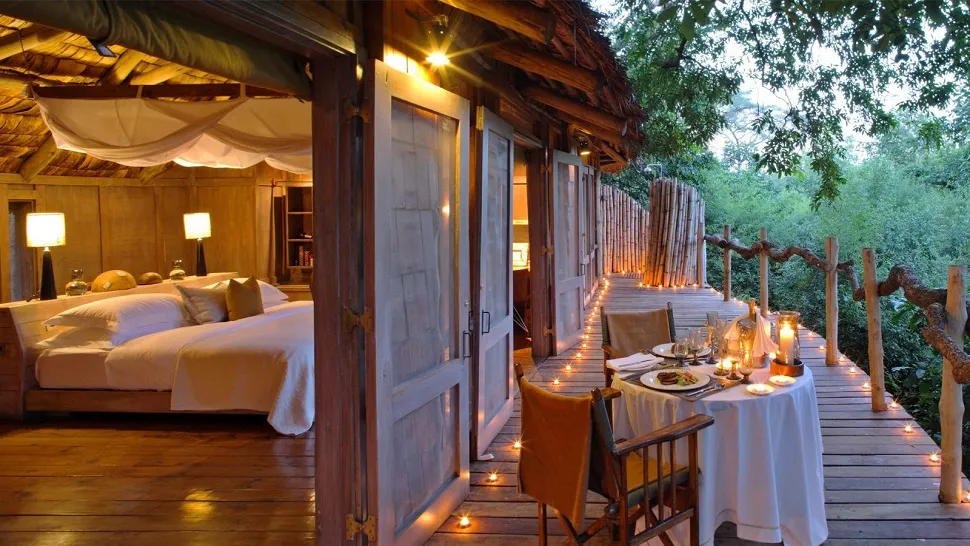
Luxury lodges and tented camps offer the highest level of comfort, privacy, and service. These properties are often located in prime wildlife areas, providing exceptional access to game viewing while maintaining a premium experience.

Guests can expect spacious rooms or suites, en-suite bathrooms, fine dining, and personalized service. Many luxury lodges also include extras such as private game drives, spa services, and stunning views of the surrounding landscapes.

👉 Oreteti Insight:
Luxury lodges are ideal for honeymooners, special occasions, or travelers looking for an exclusive safari experience.


🟢 Midrange Safari Camps
Midrange accommodations are the most popular choice for many travelers, offering a balance between comfort and value. These lodges and tented camps provide well-equipped rooms, good service, and excellent locations—often inside or near national parks.

You can expect comfortable beds, private bathrooms, quality meals, and guided safari experiences, all at a more accessible price point compared to luxury options.

👉 Oreteti Recommendation:
For most of our clients, midrange safaris offer the best overall experience in terms of comfort, location, and cost.


🟢 Budget Accommodation Options
Budget accommodations are suitable for travelers looking to experience Tanzania at a lower cost. These may include basic lodges, campsites, or guesthouses, typically located just outside national parks or in nearby towns.

While facilities are more simple, budget options still provide access to incredible safari experiences when combined with guided tours.

👉 Oreteti Tip:
Budget safaris are great for adventurous travelers, but we always recommend ensuring a reliable guide and well-planned itinerary.


🟢 Beach Resorts & Coastal Stays
For travelers combining safari with relaxation, Tanzania’s coast and islands—especially Zanzibar—offer a wide range of beachfront resorts and boutique hotels.

From luxury oceanfront villas to charming midrange hotels, coastal accommodations provide the perfect setting to unwind after a safari. Activities such as snorkeling, diving, and cultural tours add to the experience.

Top Things to Do in Tanzania

Tanzania offers a wide range of unforgettable experiences, from world-class wildlife safaris to tropical beach escapes and cultural encounters. At Oreteti Safari, we design journeys that combine these experiences into seamless itineraries, allowing you to explore the very best of the country.

Below are some of the top things to do in Tanzania, along with carefully selected experiences and safari options to help you plan your perfect trip.


🟢 Wildlife Safari Experiences
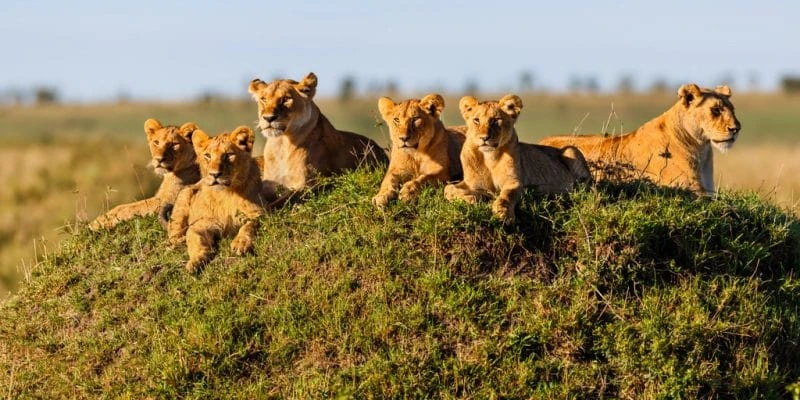
A wildlife safari is the highlight of any trip to Tanzania. The country is home to some of Africa’s most famous parks, including the Serengeti National Park and the Ngorongoro Crater, where you can witness incredible wildlife and the Great Migration.

From game drives across open plains to close encounters with the Big Five, Tanzania offers one of the best safari experiences in the world.

👉 Explore:
Discover our handpicked Tanzania safari packages designed to take you through the most iconic wildlife destinations.


🟢  Beaches & Island Getaways
After an exciting safari, many travelers choose to unwind on Tanzania’s beautiful coastline. The island of Zanzibar is especially popular for its white-sand beaches, turquoise waters, and rich cultural heritage.

Whether you're looking for a relaxing beach holiday or activities such as snorkeling and diving, Tanzania’s islands provide the perfect complement to a safari.

👉 Explore:
Browse our Zanzibar and beach holiday packages for the perfect safari and beach combination.


🟢 Cultural Tours & Local Experiences
Tanzania offers meaningful cultural experiences that allow you to connect with local communities and traditions. From visiting Maasai villages to exploring historic Stone Town in Zanzibar, these experiences provide deeper insight into the country’s heritage.

Cultural tours can be included as part of your safari itinerary, adding a unique and personal dimension to your journey.


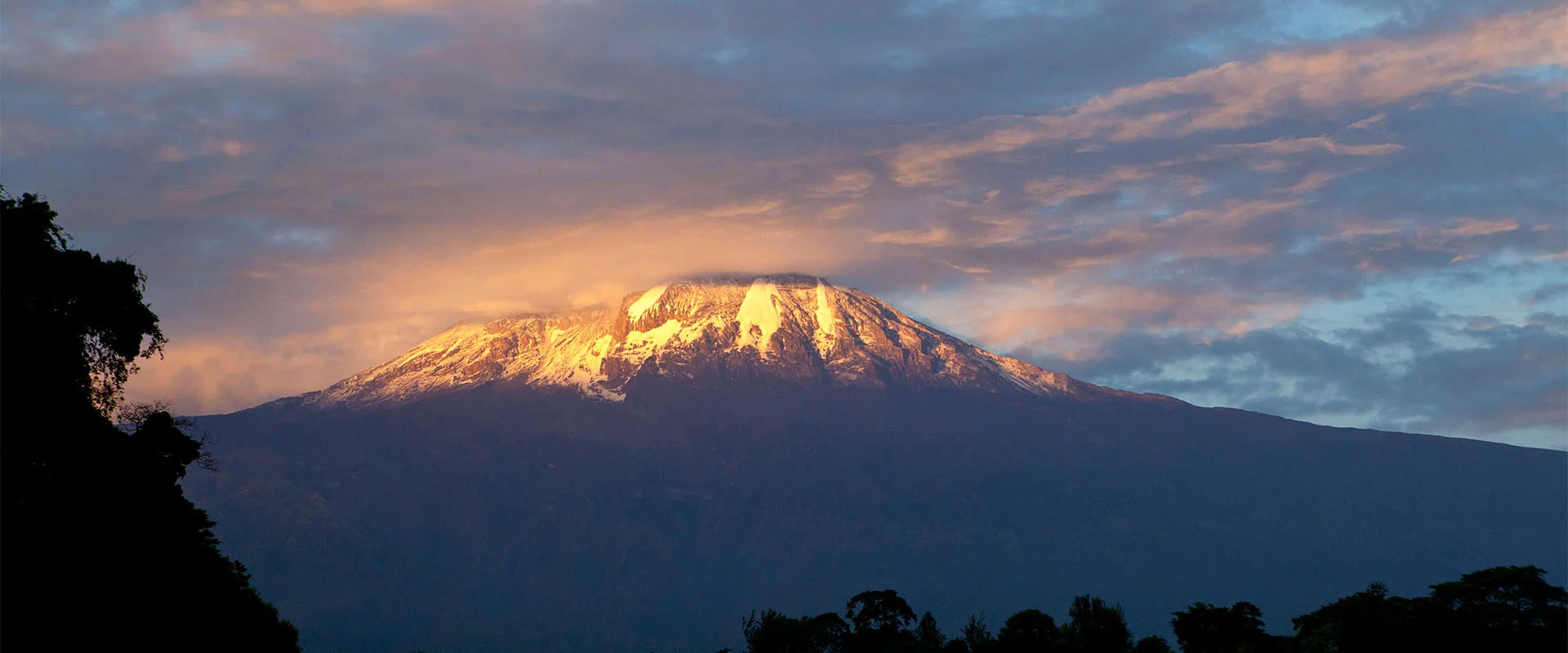
🟢 Mount Kilimanjaro Climbing
For adventure seekers, climbing Mount Kilimanjaro—Africa’s highest peak—is a once-in-a-lifetime experience. The mountain offers several trekking routes, each with different levels of difficulty and scenic landscapes.

Reaching the summit is a rewarding challenge, attracting climbers from around the world each year.

👉 Explore:
View our Kilimanjaro climbing packages designed for different experience levels and durations.

Essential Tanzania Travel Information

Before traveling to Tanzania, it’s helpful to understand a few practical details that can make your trip smoother and more comfortable. From food and health to connectivity and shopping, these essentials will help you prepare for your journey.


🟢 Food & Drinks in Tanzania
Tanzania offers a mix of local and international cuisine, especially in safari lodges and hotels. Meals on safari are typically well-prepared and cater to a variety of dietary needs, including vegetarian options.

Local dishes such as grilled meats, rice, vegetables, and fresh tropical fruits are commonly enjoyed. Bottled drinking water is widely provided in lodges, camps, and during safari activities.

👉 Oreteti Tip:
Always stick to bottled or filtered water, especially when traveling in remote areas.


🟢  Health & Vaccinations
Traveling in Tanzania is safe when basic health precautions are followed. Visitors are advised to consult their doctor before travel regarding recommended vaccinations and malaria prevention.

📊 Health Overview

RequirementDetails
Yellow FeverRequired if travelling from risk areas
Routine VaccinesRecommended
Malaria PreventionStrongly advised

Most safari lodges maintain high hygiene standards, ensuring a comfortable and safe stay.


🟢  Shopping & Souvenirs
Tanzania offers a variety of unique souvenirs, including handcrafted items, Maasai beadwork, wood carvings, paintings, and locally made fabrics.

Popular places to shop include local markets, cultural centers, and artisan shops in cities like Arusha and Dar es Salaam.

👉 Bargaining is common in markets, but always done respectfully.


🟢 SIM Cards & Internet Access
Staying connected in Tanzania is relatively easy, especially in major towns and tourist areas. Local SIM cards are affordable and widely available at airports and in cities.

📊 Connectivity Overview

ServiceAvailability
Mobile NetworkGood in cities & towns
Internet/WiFiAvailable in most lodges
Remote AreasLimited or slow connection

👉 Oreteti Insight:
Many safari camps offer WiFi, but connections can be slower in remote areas—perfect for disconnecting and enjoying nature.

Expert Tanzania Travel Tips

Planning a trip to Tanzania is exciting, but having the right local insight can make a big difference. At Oreteti Safari, we’ve guided travelers across the country for years, and we’ve learned that small details often shape the overall experience. Here are some expert tips to help you travel smarter, avoid common mistakes, and get the most out of your journey.


🟢 Insider Travel Advice

  • Plan your itinerary wisely – Tanzania is large, and distances between destinations can be longer than expected. Combining too many parks in a short time can make your safari feel rushed.
  • Choose the right entry point – Flying into the correct airport (Kilimanjaro, Dar es Salaam, or Zanzibar) can save you significant travel time.
  • Book early during peak season – The best lodges in areas like the Serengeti National Park fill up quickly, especially during migration season.

👉 Oreteti Insight:
A well-balanced itinerary with enough time in each destination always leads to a better safari experience.


🟢  Planning Tips for First-Time Visitors

  • Start with the northern circuit – It offers the best introduction to Tanzania’s wildlife and landscapes.
  • Combine safari with beach – Adding Zanzibar after your safari creates a perfect balance between adventure and relaxation.
  • Travel with a trusted operator – A professional guide makes a huge difference in both safety and overall experience.

👉 Oreteti Recommendation:
For first-time travelers, a 7–10 day itinerary combining Serengeti, Ngorongoro, and Zanzibar works extremely well.


🟢  Common Mistakes to Avoid

  • Underestimating travel time – Distances can be long, especially when traveling by road
  • Packing too much – Light, practical packing is always better on safari
  • Ignoring seasonal differences – Timing affects wildlife viewing and overall experience
  • Choosing price over experience – The cheapest option isn’t always the best value

👉 Oreteti Tip:
Focus on quality experiences rather than trying to cover everything—Tanzania is best enjoyed at a relaxed pace.


Tanzania Travel FAQs

Here are answers to some of the most common questions travelers ask when planning a trip to Tanzania. These quick insights will help you better prepare for your safari and overall travel experience.

Yes, Tanzania is considered a safe and welcoming destination, especially for travelers on organized safaris and guided tours. Tourist areas, national parks, and lodges maintain high safety standards. As with any destination, it’s important to follow basic travel precautions and work with a trusted safari operator.
Tanzania is a year-round destination, but the best time to visit depends on your travel goals. The dry season (June to October) is ideal for wildlife viewing, while the green season (November to March) offers fewer crowds and lush landscapes. Migration timing can also influence when to travel.
Most travelers require a visa to enter Tanzania. You can apply online before travel or obtain a visa on arrival at major entry points. Applying in advance is recommended for a smoother arrival experience.
Safari costs vary depending on the level of comfort, travel season, and itinerary. On average, prices range from budget-friendly options to luxury experiences, with most safaris priced per person per day and including accommodation, transport, guide, and park fees.
The Tanzanian Shilling (TZS) is the official currency, although US Dollars (USD) are widely accepted in tourism. It’s advisable to carry some local currency for small purchases.
Credit cards are accepted in many hotels and lodges, but availability can be limited in remote areas. Carrying some cash (USD or TZS) is recommended, especially when traveling on safari.
Pack light, comfortable clothing in neutral colors, along with essentials such as sunscreen, a hat, insect repellent, and a camera. A light jacket is recommended for early morning and evening game drives.
Certain vaccinations may be recommended depending on your travel history, and a yellow fever certificate may be required if you are arriving from a high-risk country. It’s best to consult your doctor before traveling.

Ready to plan this trip?

Tell us your dates, travel style, and what you want to experience. Our team will shape the route around you.