 Best Value
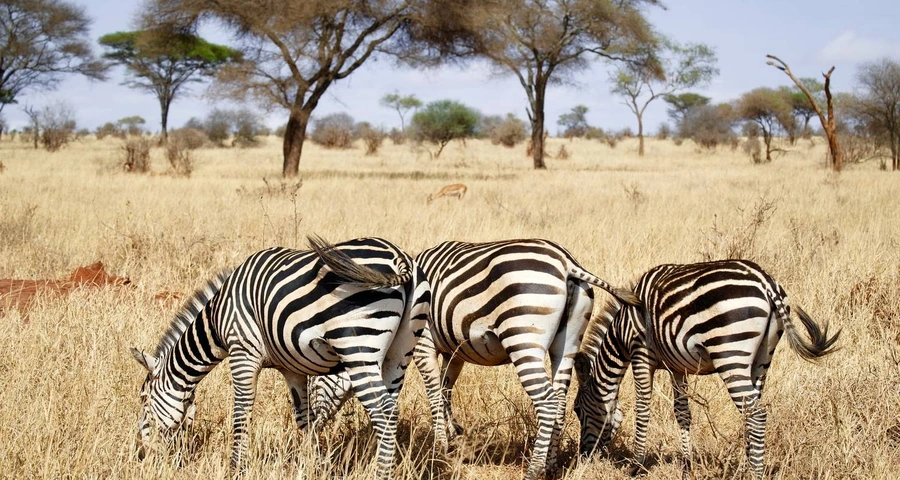
3 Days safari and Day Hike to Mt Kilimanjaro Family Tour
Tour type: Mid-range Safari
From
$1,125

Private, well-planned experiences with local experts tailored to your dates, comfort level, and pace.
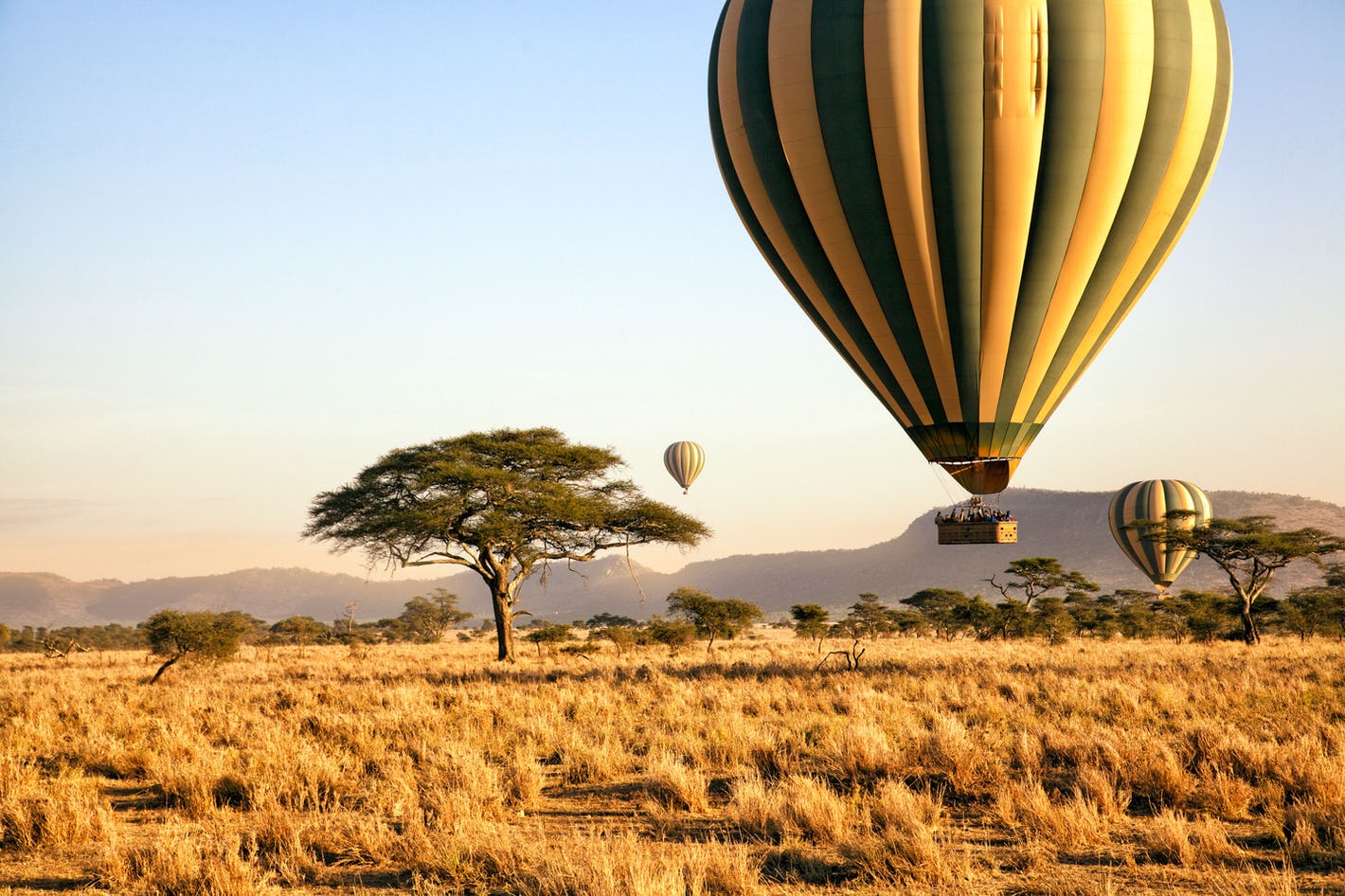
A Tanzania safari is one of the most rewarding wildlife experiences in Africa, offering exceptional game viewing across some of the continent’s most celebrated national parks. From tracking the legendary Big Five to witnessing the spectacular Great Wildebeest Migration, Tanzania delivers unmatched wildlife encounters year-round. Our Tanzania safari packages take you to iconic destinations such as Serengeti National Park, home to vast predator-rich plains, and the breathtaking Ngorongoro Crater, a UNESCO World Heritage Site known for its extraordinary wildlife density.
Designed for travelers seeking unforgettable encounters, our Tanzania safari tours go beyond traditional game drives to deliver immersive experiences in the heart of nature. Watch elephants roam the open savannah, lions stalk their prey, and giraffes glide across endless plains, all while guided by experienced local safari experts with deep knowledge of Tanzania’s landscapes and ecosystems.
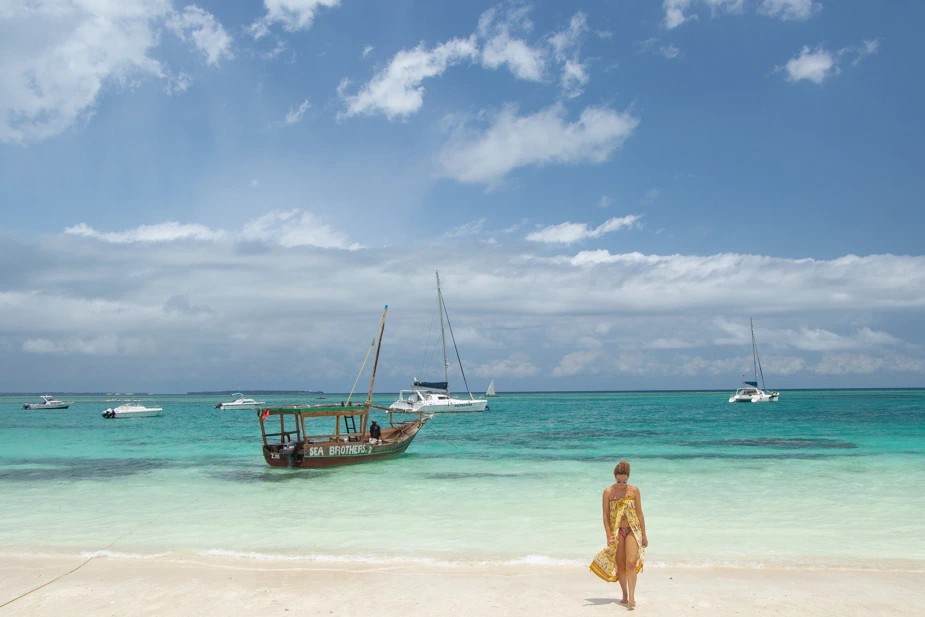
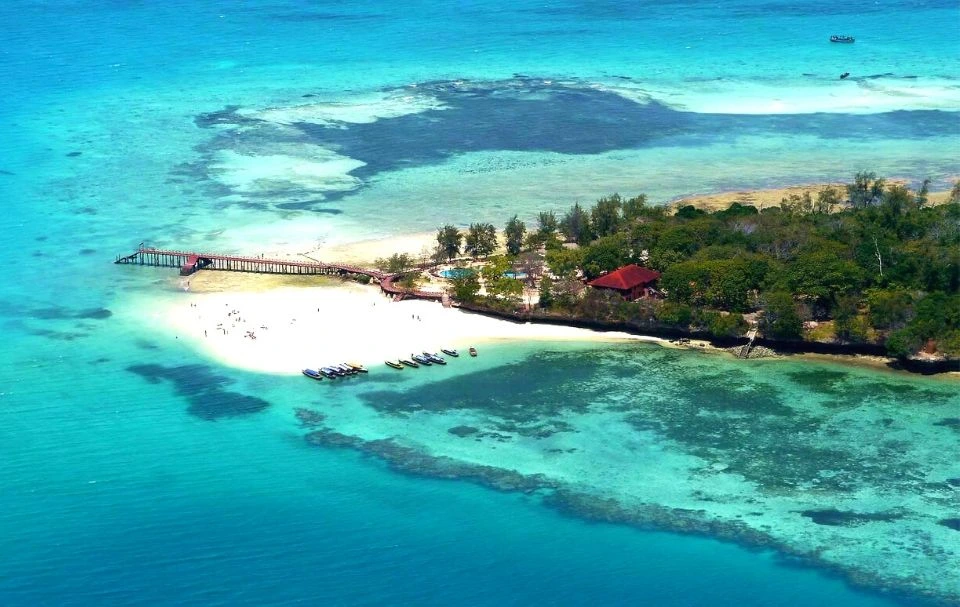
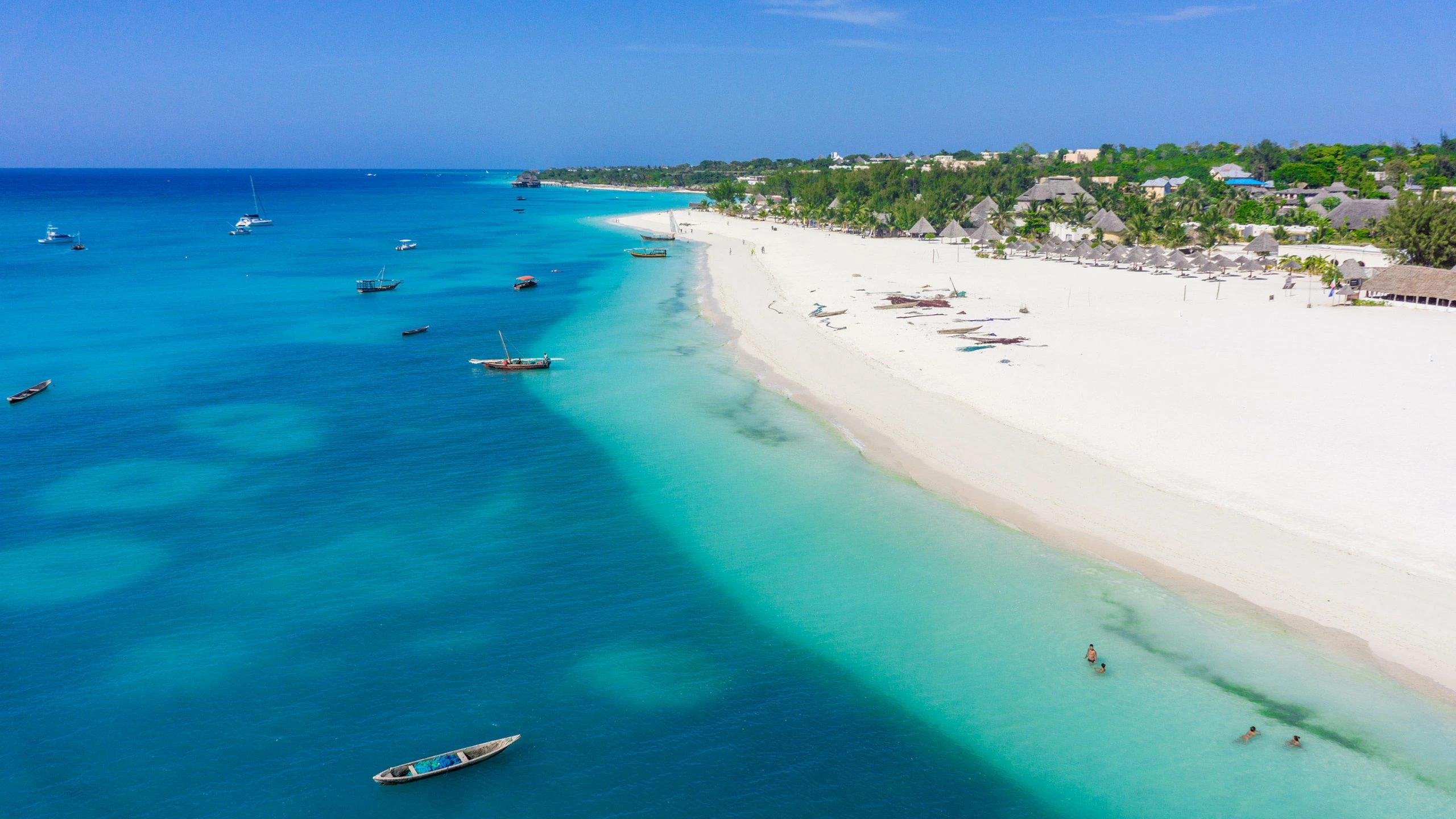
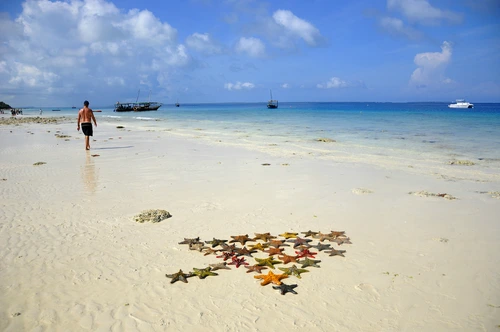
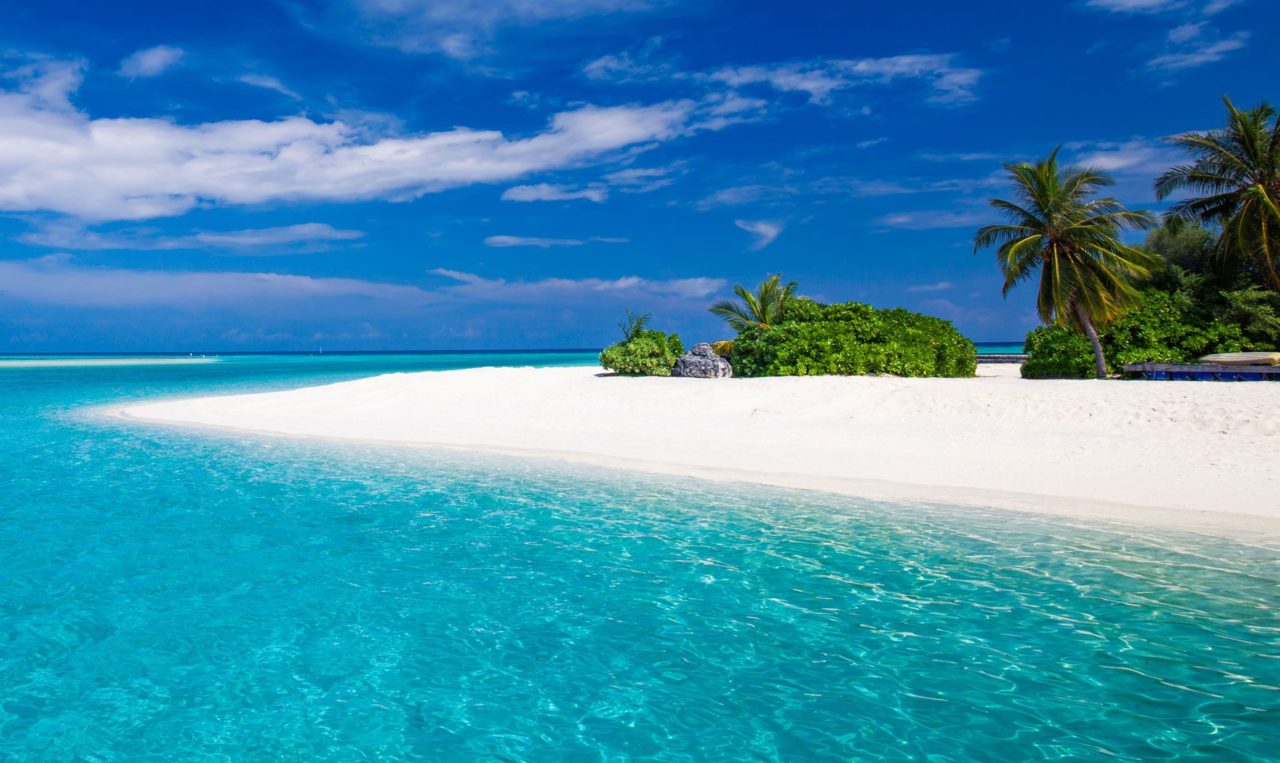
Whether you are planning a luxury Tanzania safari, a Tanzania family safari adventure, or a seamless Tanzania Safari and Zanzibar extension that combines wildlife with white-sand beaches, our fully customized itineraries ensure an exceptional African safari experience tailored to your travel style and budget.
From private fly-in safaris to classic overland journeys, a safari in Tanzania offers unmatched diversity, cultural richness, and extraordinary wildlife encounters. Start planning your Tanzania safari today and discover why Tanzania remains one of Africa’s top safari destinations.




Hand-picked options—compare quickly, then request a custom plan.
Best Value
 Luxury
 Best Value
Looking for a tailored private tour?
Reach out today—our team will get back to you within 24 hours.
Tanzania is a year-round safari destination, but the best time to visit depends on what you want to experience. From the Great Migration in the Serengeti to the white-sand beaches of Zanzibar and the summit of Mount Kilimanjaro, each month offers something unique. Click on a month below to discover average temperatures, rainfall levels, wildlife highlights, crowd levels, and our expert recommendations to help you plan the perfect Tanzania safari.
January is one of the most rewarding months for a Tanzania safari. The short rains have ended, leaving the landscape lush and green while wildlife viewing remains excellent. In the southern Serengeti and Ndutu area, this is the beginning of the Great Migration calving season, when thousands of wildebeest give birth on the open plains. Predator activity is high, making game drives particularly exciting. The weather is warm with occasional light showers, especially in the afternoons.
January is an excellent choice for travelers who want dramatic wildlife action combined with beautiful scenery. While it is not peak dry season, wildlife concentrations in the southern Serengeti make this month particularly special. We highly recommend combining a Northern Circuit safari with a few relaxing days in Zanzibar.
February is one of the very best months to visit Tanzania for safari, especially for travelers focused on the Great Migration calving season. The southern Serengeti and Ndutu plains are filled with wildebeest and zebra, and predator sightings are often exceptional due to the abundance of newborn calves. The weather remains warm with mostly sunny days and only occasional short showers, creating excellent driving conditions and beautiful photography light. For those looking to combine safari with relaxation, Zanzibar is also superb in February with hot beach days and calm ocean conditions.
If you want a safari that feels full of life and action, February is a top choice. We recommend focusing on the Southern Serengeti (Ndutu area) for calving and predator sightings, then finishing your trip with a few days in Zanzibar for a perfect safari-and-beach combination.
March marks the beginning of Tanzania’s long rainy season, especially towards the end of the month. While showers become more frequent, they are often short and followed by clear skies. The landscapes begin turning lush green, and wildlife remains active, particularly in the Serengeti and Ngorongoro areas.
April is the wettest month of the year in Tanzania, marking the peak of the long rainy season. Expect heavier and more frequent rainfall, especially in the afternoons. However, the scenery becomes exceptionally lush and green, creating dramatic landscapes and fewer visitors across the national parks.
April is best suited for travelers seeking excellent value and a quiet safari experience. While rainfall can occasionally affect road conditions, experienced guides plan flexible routes to ensure wildlife viewing remains rewarding. If you prioritize lower prices and solitude over dry weather, April offers surprising advantages.
May continues the long rainy season in Tanzania, though rainfall gradually decreases as the month progresses. The landscapes remain lush and vibrant, and wildlife viewing can still be rewarding, especially in the Serengeti and Ngorongoro areas. Visitor numbers remain low, offering a peaceful safari experience.
May suits travelers who are flexible and appreciate value-driven travel. While occasional rain showers can occur, they are often short and followed by sunshine. By late May, conditions begin improving, making it an excellent time for those seeking fewer crowds and competitive pricing.
June marks the beginning of Tanzania’s dry season and is one of the most balanced months for a safari. Rainfall decreases significantly, vegetation begins thinning, and wildlife becomes easier to spot around water sources. The Great Migration starts moving northward in the Serengeti, offering exciting viewing opportunities as large herds travel across the plains.
June is an excellent time for travelers seeking great wildlife viewing without peak-season crowds. Conditions improve dramatically compared to previous months, and the migration movement creates dynamic safari experiences. We highly recommend June for couples, families, and photographers looking for optimal balance.
July is one of the best months to visit Tanzania for safari. The dry season is in full swing, vegetation is thinner, and wildlife gathers around permanent water sources, making game viewing exceptional. In the northern Serengeti, the Great Migration herds move toward the Mara River, where dramatic river crossings may begin. Cooler temperatures also make safari activities very comfortable.
July is ideal for travelers seeking classic African safari experiences. Wildlife sightings are consistent and impressive, and the northern Serengeti offers the possibility of witnessing dramatic river crossings. Due to high demand, early booking is strongly recommended.
August is one of the absolute peak months for a Tanzania safari. The dry season is at its best, with minimal rainfall and excellent wildlife visibility throughout the national parks. In the northern Serengeti, the Great Migration herds gather along the Mara River, creating some of the most dramatic river crossing scenes in Africa. Conditions are dry, sunny, and ideal for extended game drives.
August is perfect for travelers seeking unforgettable wildlife encounters, especially river crossings in the Serengeti. Due to high global demand, lodges and camps often book months in advance. For the best availability and guide selection, we recommend securing your safari well ahead of travel.
September is one of the finest months for a Tanzania safari. The dry season continues with clear skies and minimal rainfall, making wildlife viewing exceptional across the Serengeti, Ngorongoro, and Tarangire. The Great Migration remains active in the northern Serengeti, with continued opportunities to witness dramatic river crossings. Warm daytime temperatures and dry conditions create ideal safari experiences.
September offers a superb balance between peak wildlife activity and slightly reduced visitor numbers compared to mid-season months. It is an outstanding choice for travelers seeking reliable wildlife encounters and classic safari conditions. Early reservations are still highly recommended due to continued strong demand.
October marks the final month of Tanzania’s dry season. Wildlife viewing is often outstanding, as animals gather around remaining water sources and vegetation is sparse. Temperatures begin to rise, especially in the afternoons, but safari conditions remain excellent. The Great Migration gradually starts moving southward through the Serengeti.
October is a smart choice for travelers seeking strong wildlife viewing without the peak-season intensity of July and August. Although daytime temperatures can be warmer, the dry conditions make game drives highly rewarding. It is an excellent month for experienced safari travelers who appreciate classic dry-season action.
November marks the beginning of Tanzania’s short rainy season. Rainfall is typically light and occurs in short afternoon showers rather than all-day rain. The landscapes begin turning green again, creating beautiful scenery across the parks. Wildlife viewing remains rewarding, and visitor numbers drop significantly compared to the peak dry season.
November is ideal for travelers who want a quieter safari experience and better value pricing. While occasional showers can occur, they are often brief and followed by sunshine. If you prefer fewer vehicles at wildlife sightings and don’t mind some rain, November offers a peaceful and rewarding safari.
December marks the beginning of Tanzania’s green season and the return of the Great Migration to the southern Serengeti. Rainfall is usually moderate and often occurs in short bursts, leaving behind fresh landscapes and vibrant scenery. As the festive season approaches, demand increases, especially toward Christmas and New Year.
December is a wonderful month to combine wildlife viewing with holiday travel. Early December offers quieter conditions, while late December becomes more festive and lively. We recommend booking early for Christmas and New Year safaris, as availability fills quickly.
Browse highlights quickly—expand any activity to read more.

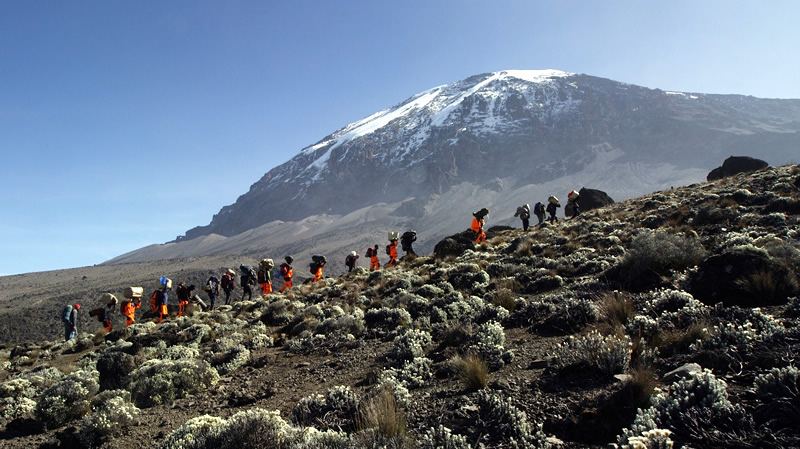
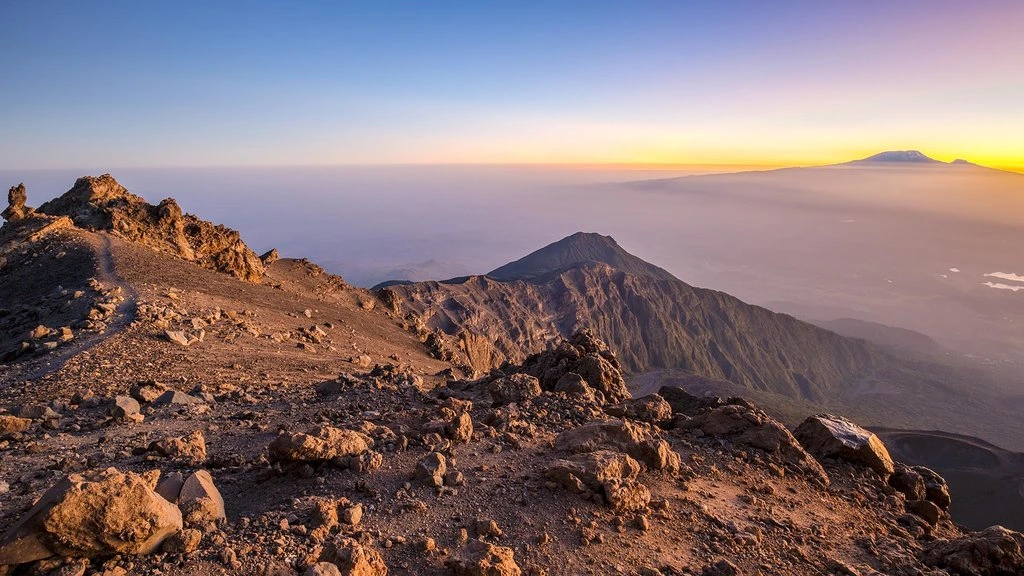
A Safari in Tanzania offers far more than wildlife encounters across iconic national parks. For travelers seeking an added challenge, combining a safari with a climb of Mount Kilimanjaro creates a truly life-changing adventure. Rising above northern Tanzania, Kilimanjaro is Africa’s highest mountain and the world’s tallest free-standing peak. The climb passes through rainforest, alpine zones, and volcanic landscapes, with a sunrise summit at Uhuru Peak being a once-in-a-lifetime moment. Climbing Kilimanjaro is non-technical but requires preparation and the right support. Travelers can explore routes and itineraries through our Kilimanjaro climbing tours, designed for different fitness levels. For planning insights on altitude, routes, and success rates, our Mount Kilimanjaro climbing facts guide provides essential details. Adding Kilimanjaro to a Tanzania safari creates a powerful combination of wildlife, landscapes, and personal achievement.

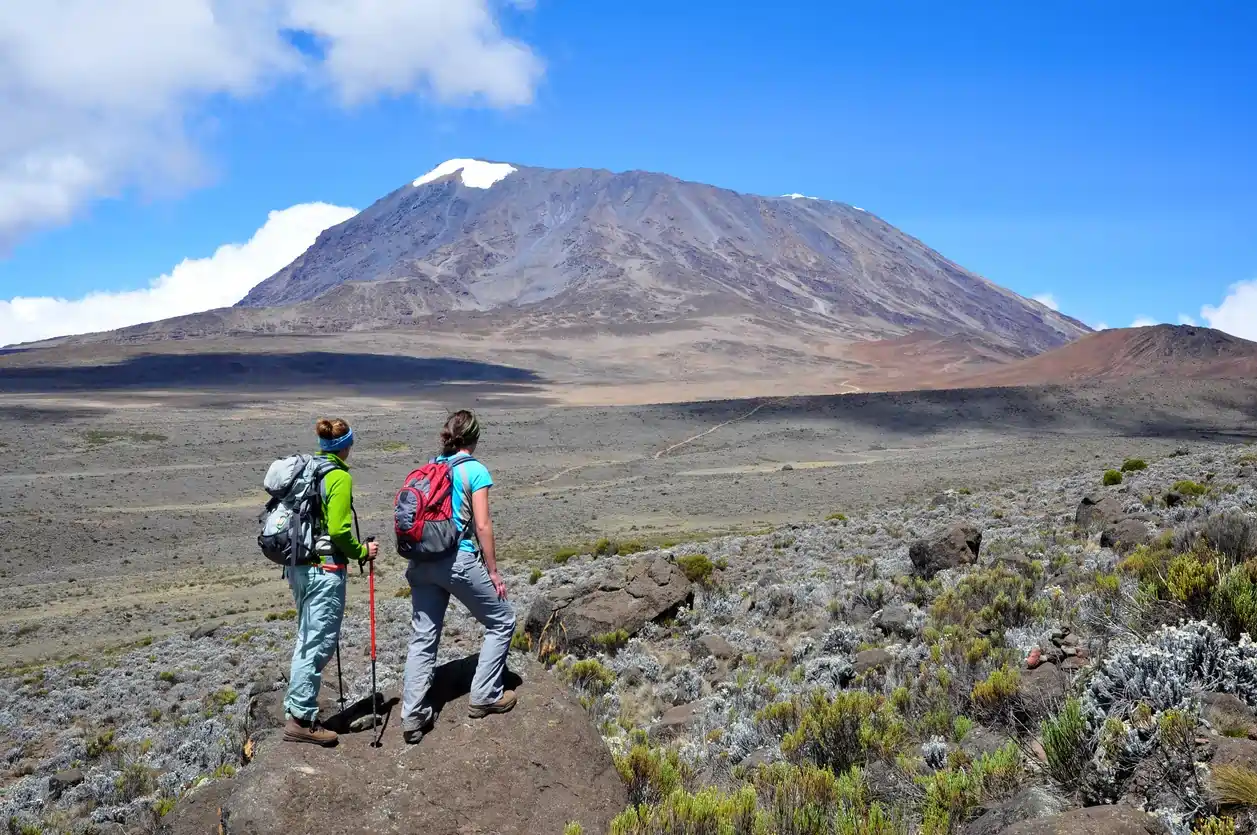 Kilimanjaro Routes Guide: Compare Machame, Lemosho, Marangu & More
Choosing the right route is one of the most important decisions when planning your climb on ...
Kilimanjaro Routes Guide: Compare Machame, Lemosho, Marangu & More
Choosing the right route is one of the most important decisions when planning your climb on ...
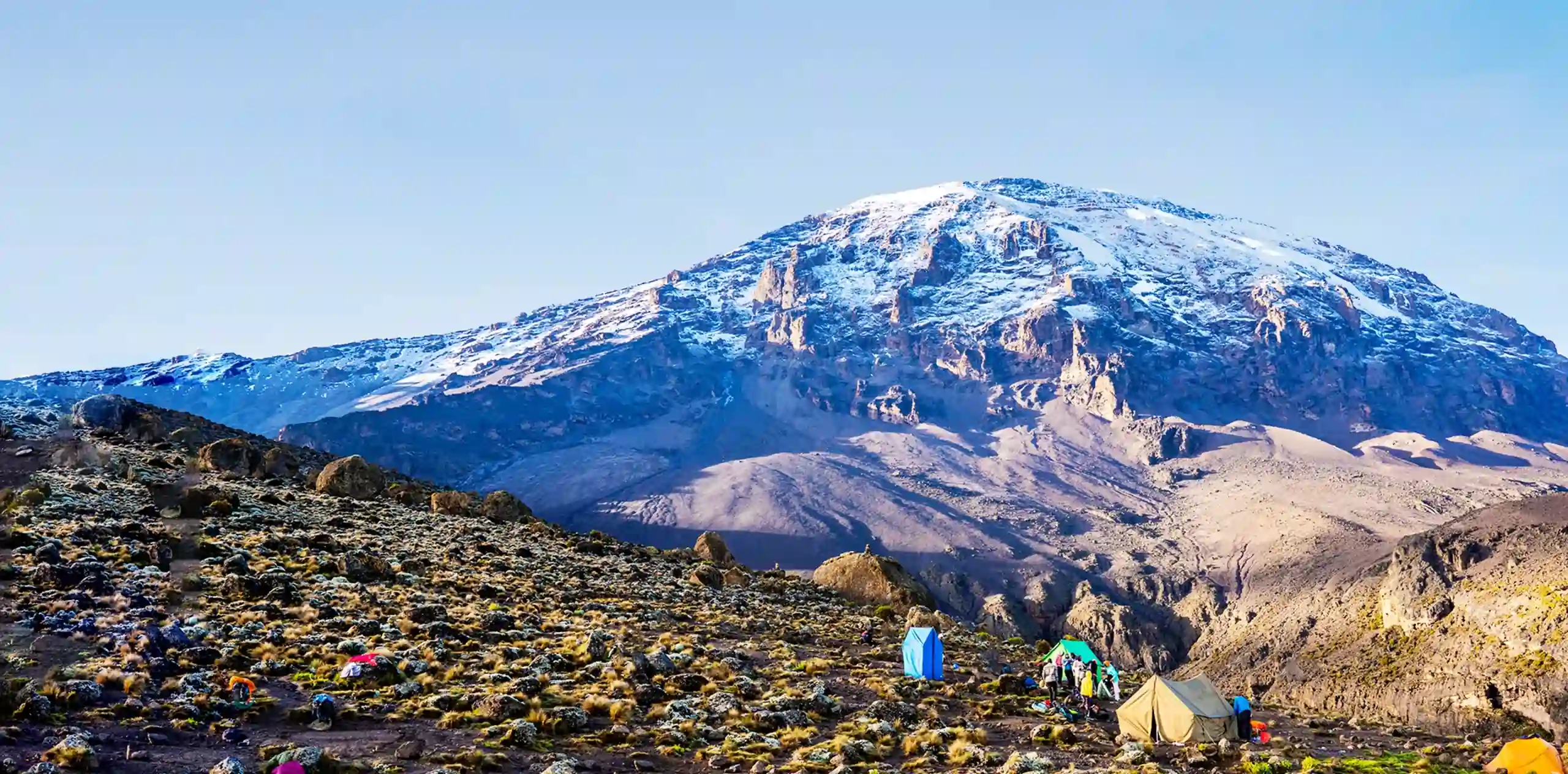 Climb Africa’s Highest Peak with Expert Guidance
Mount Kilimanjaro is Africa’s highest mountain and one of the most iconic trekking destinati...
Climb Africa’s Highest Peak with Expert Guidance
Mount Kilimanjaro is Africa’s highest mountain and one of the most iconic trekking destinati...
 Your Complete Tanzania Safari Planning Guide
Tanzania is one of Africa’s most extraordinary travel destinations, known for its iconic wil...
Your Complete Tanzania Safari Planning Guide
Tanzania is one of Africa’s most extraordinary travel destinations, known for its iconic wil...
Real experiences shared by our travelers
Joseph and his team were excellent, from the airport to the airstrip! They managed everything with a group of 12 individuals in a very professional manner, which enhanced the safari's atmosphere. D...
The company, run by young Maasai, has organised an unforgettable, impressive and wonderful experience. We travelled as a big family and every need and wish got beyond satisfied. We always felt safe...
I had high expectations for my trip to Tanzania, but the 11-Day Tanzania Wildlife Safari & Beach Holiday tour with Oreteti Safari exceeded all of them! Prior to the trip, the main point of contact,...
Click a question to expand the answer.
Best Time for a Safari in Tanzania: Unveiling the Perfect Season for Your Adventure
Deciding when to embark on your Tanzania safari can be as thrilling as the adventure itself! Each season offers unique highlights and considerations, so choosing the ideal time depends on your priorities and preferences. Here's a breakdown:
Peak Season (June - October):
Shoulder Seasons (April - May & November - December):
Green Season (January - March):
Additional Factors to Consider:
Packing for Paradise: Your Tanzania Safari Wardrobe and Essentials
A Tanzania safari is an adventure unlike any other, and packing for it requires balancing practicality with a touch of adventure-ready style. Worry not, intrepid explorer, for this guide will equip you with everything you need to conquer the savannah with confidence and comfort!
Clothing:
Essentials:
Extra Tips:
See our full guide here on what to pack for Tanzania Safari
It's true that Tanzania safaris can often be more expensive than Kenya safaris, and there are several factors contributing to this difference:
Park Fees and Taxes:
Accommodation and Logistics:
Demand and Supply:
Important Note:
While Tanzania safaris may be generally more expensive than Kenyan safaris, it's crucial to remember that both countries offer incredible wildlife experiences at varying price points. The best choice for you ultimately depends on your budget, desired level of comfort, and specific wildlife viewing priorities.
Yes, you can see the Big 5 animals in Tanzania safari. The Big 5 are the African lion, African elephant, African leopard, Cape buffalo, and rhinoceros. These animals are all found in Tanzania's national parks and reserves.
The best places to see the Big 5 in Tanzania are:
The best time to see the Big 5 in Tanzania is during the dry season, which is from June to September. However, you can see them year-round. See the complete guide and facts about The Big five animals, about where and when to visit.
If you're planning a Tanzania safari, kindly contact us, we promise you a memorable safari.Here are some tips on the way to get the cheapest Safari in Tanzania
These are just a few tips on how to save money on Tanzania Safari, for more details don't hesitate to contact us.
The length of time you need for a Tanzania safari depends on your budget, interests, and how much time you have available.
Ultimately, the best way to decide how long your Tanzania safari should be is to contact us and discuss your specific interests and budget. We can help you create a personalized itinerary that fits your needs.
Some of the top destinations include the Serengeti National Park, Ngorongoro Conservation Area, Tarangire National Park, and Lake Manyara National Park. These areas offer incredible wildlife viewing opportunities and stunning natural beauty.
A Tanzania safari offers one of the most diverse wildlife experiences in Africa, with opportunities to see hundreds of animal species across its iconic national parks.
The Big Five
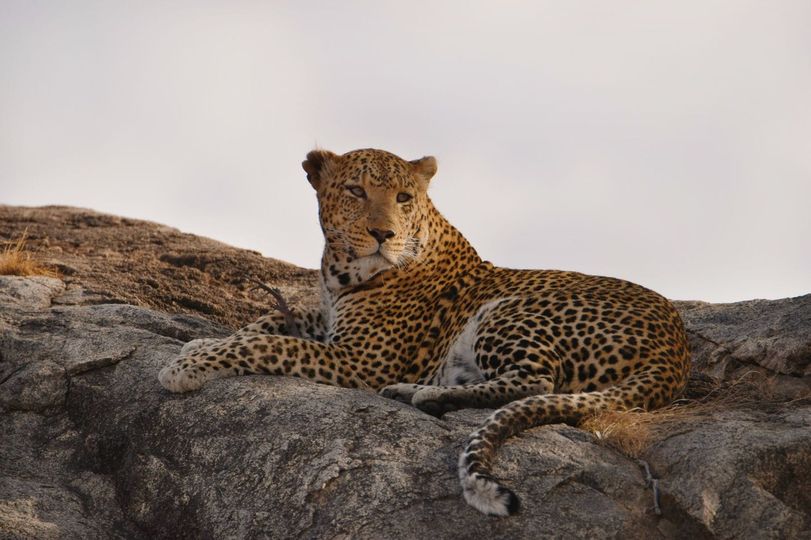
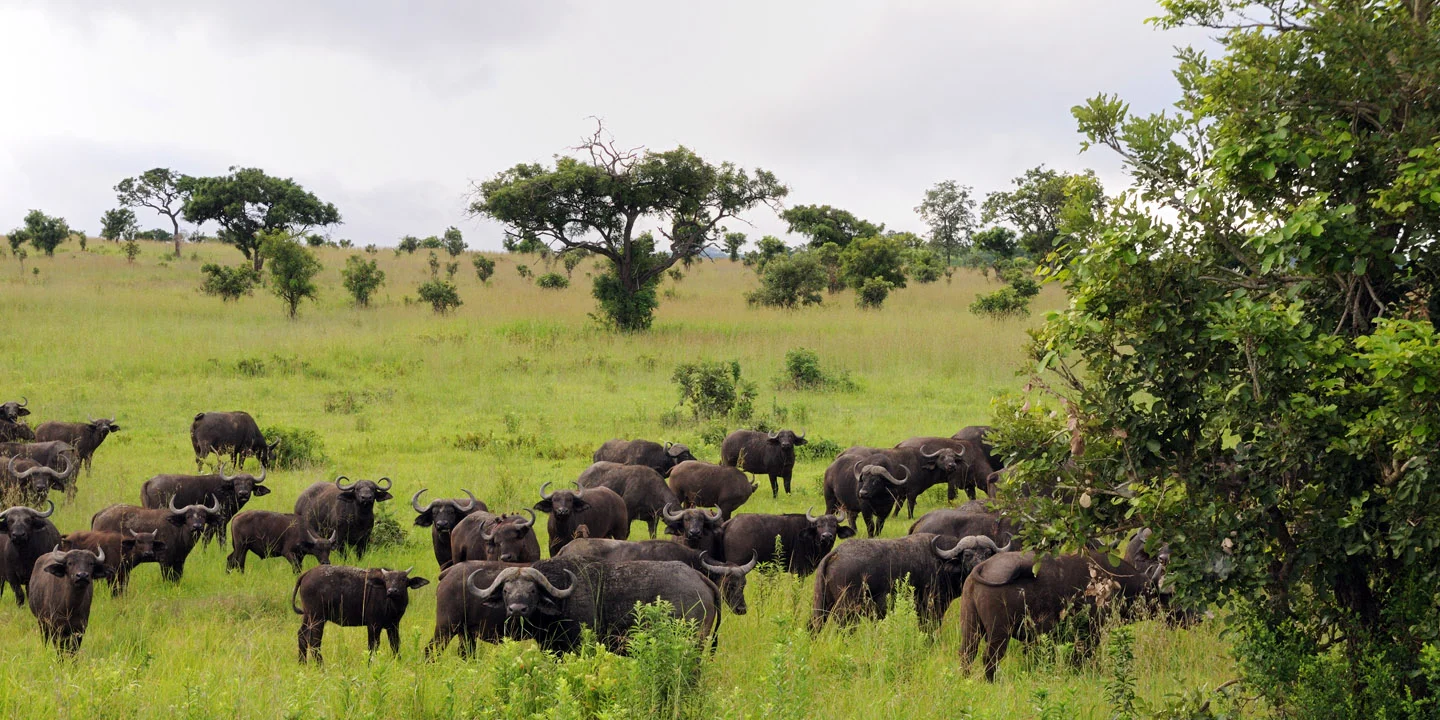
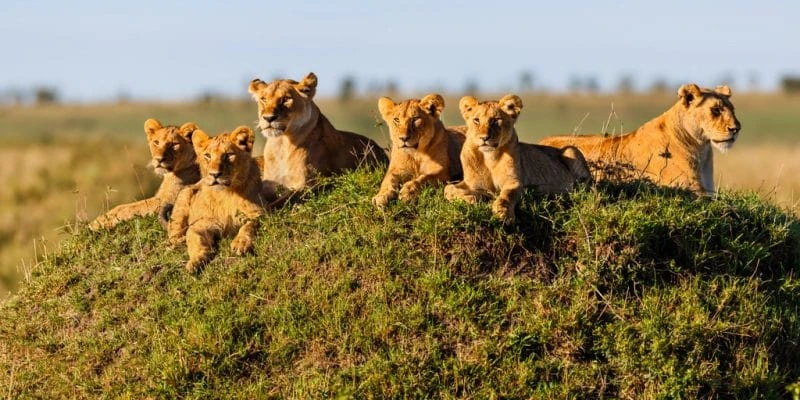
No Tanzania safari is complete without encountering the legendary Big Five — lion, leopard, elephant, buffalo, and rhinoceros. These species can be seen in world-renowned destinations such as Serengeti National Park and the Ngorongoro Crater, where expert guides help track wildlife in their natural habitat.
The Great Migration & Plains Wildlife
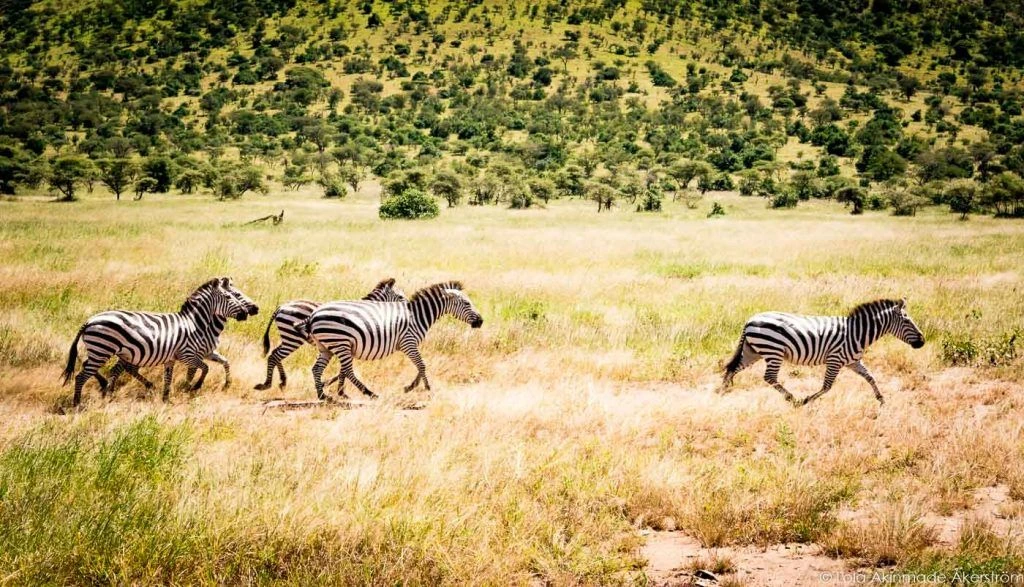
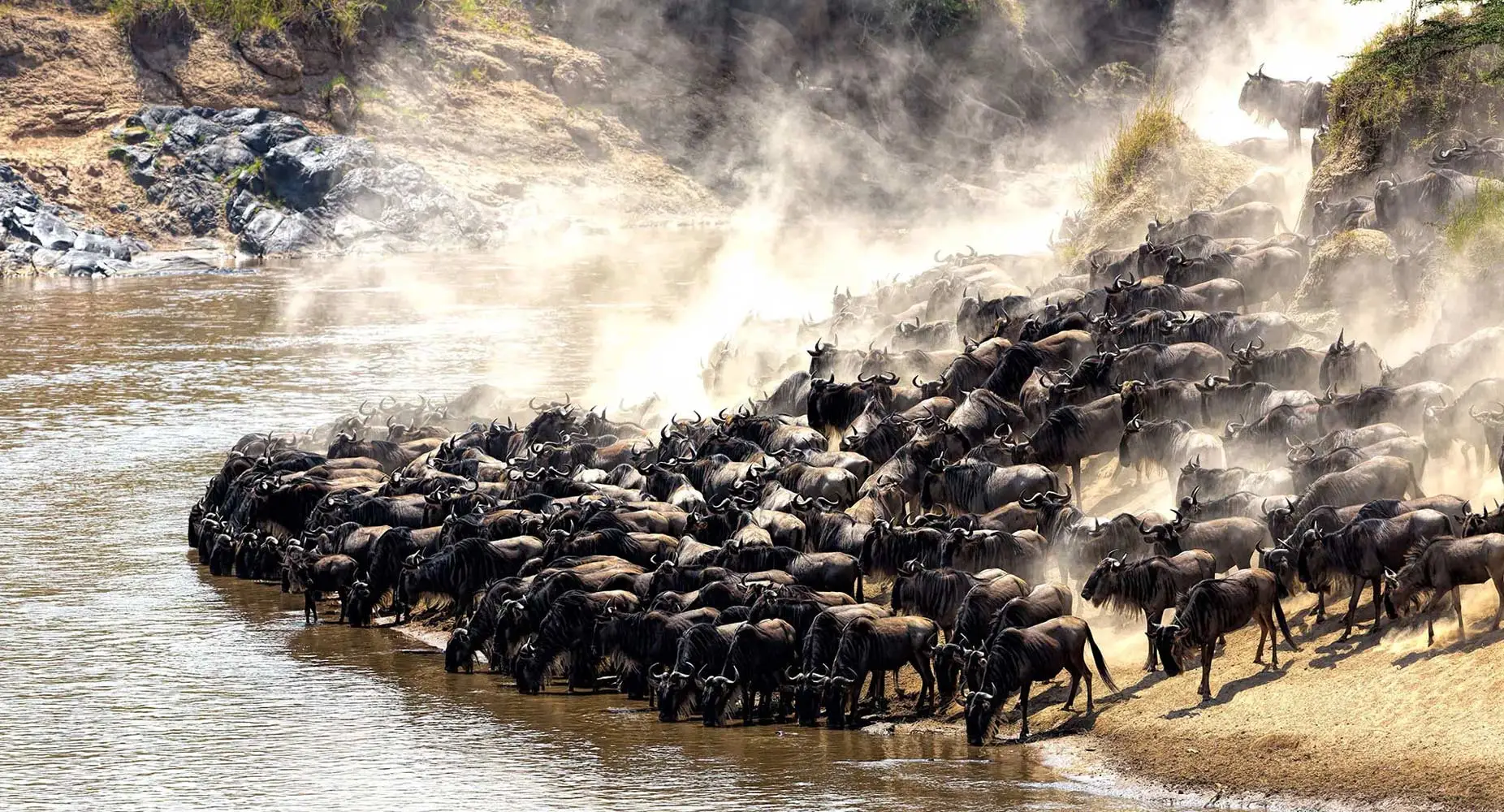
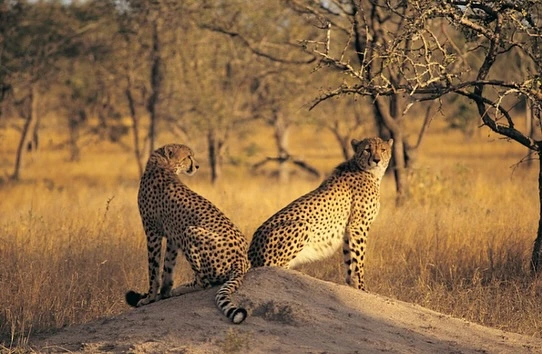
In the Serengeti, travelers can witness the spectacular Great Wildebeest Migration, where millions of wildebeest and zebras move across the plains in search of fresh grazing. Cheetahs, hyenas, and large lion prides often follow closely behind.
Unique & Rare Species
Beyond the Big Five, Tanzania is home to giraffes, hippos, crocodiles, gazelles, flamingos, and hundreds of bird species. In western Tanzania, chimpanzees can be seen in Gombe Stream National Park, while Tarangire National Park is famous for its large elephant herds and ancient baobab trees.
A Complete Wildlife Ecosystem
From the grasslands of the Serengeti to the volcanic landscapes of Ngorongoro and the tree-climbing lions of Lake Manyara, Tanzania’s ecosystems support an extraordinary concentration of wildlife year-round.
Whether you choose a classic safari itinerary, a private luxury safari, or combine your adventure with a Zanzibar beach extension, Tanzania offers unmatched wildlife diversity for every type of traveler.