

Kenya Safari Overview
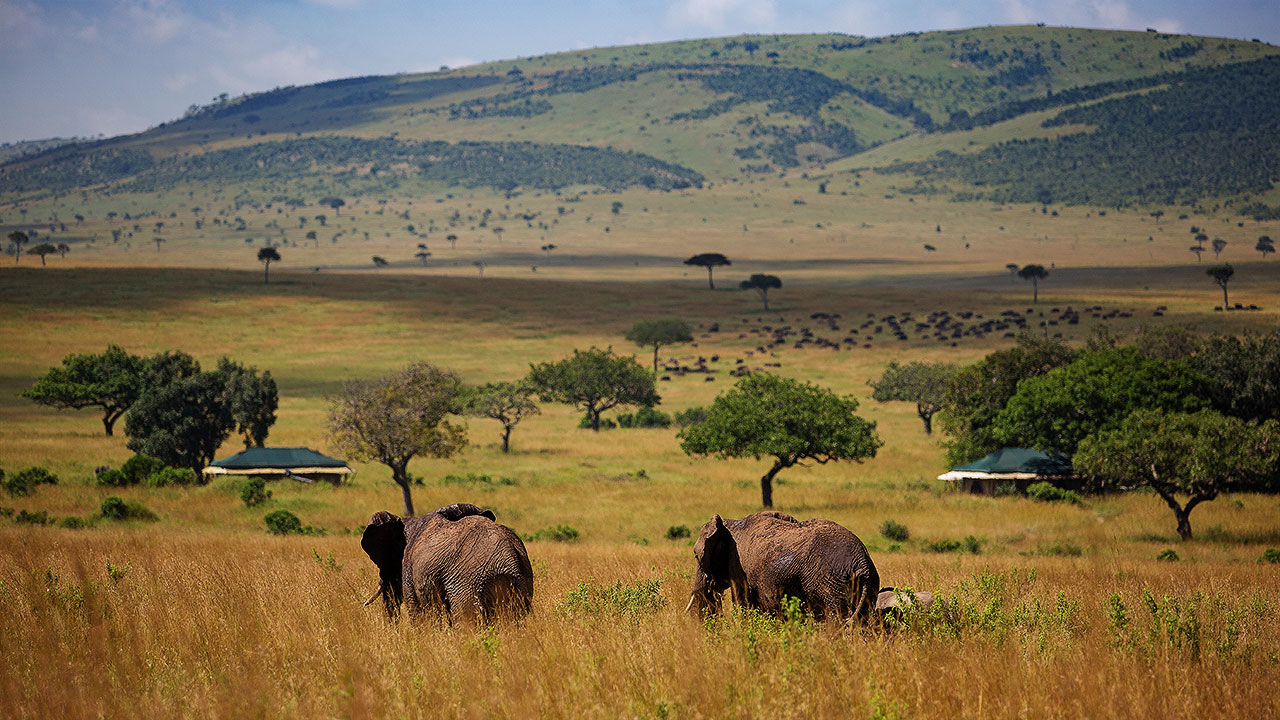
A Kenya safari offers one of Africa’s most dramatic and rewarding wildlife experiences, combining vast savannahs, legendary national parks, and unmatched animal encounters. From the rolling plains of the Masai Mara National Reserve to the flamingo-lined lakes of the Rift Valley, Kenya is the birthplace of the classic African safari.
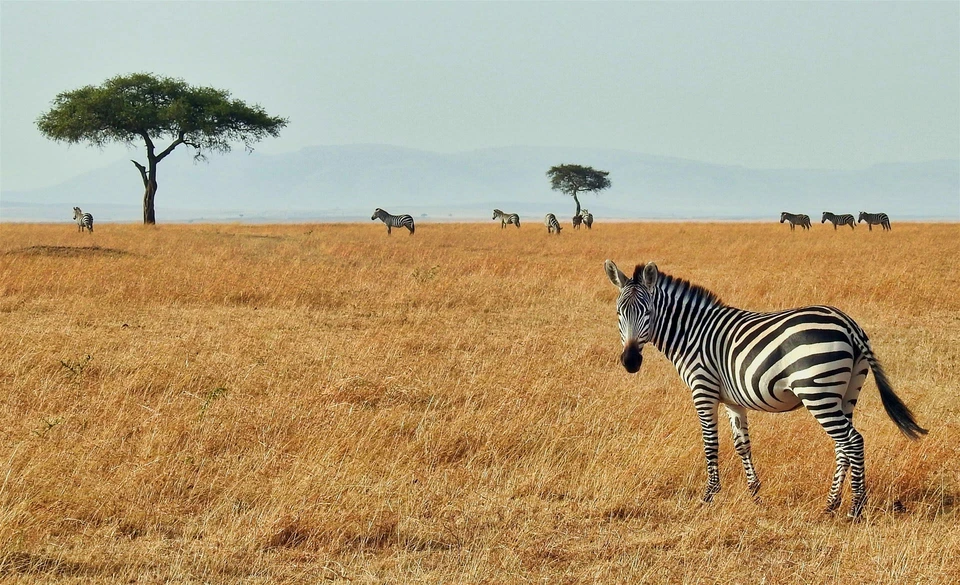
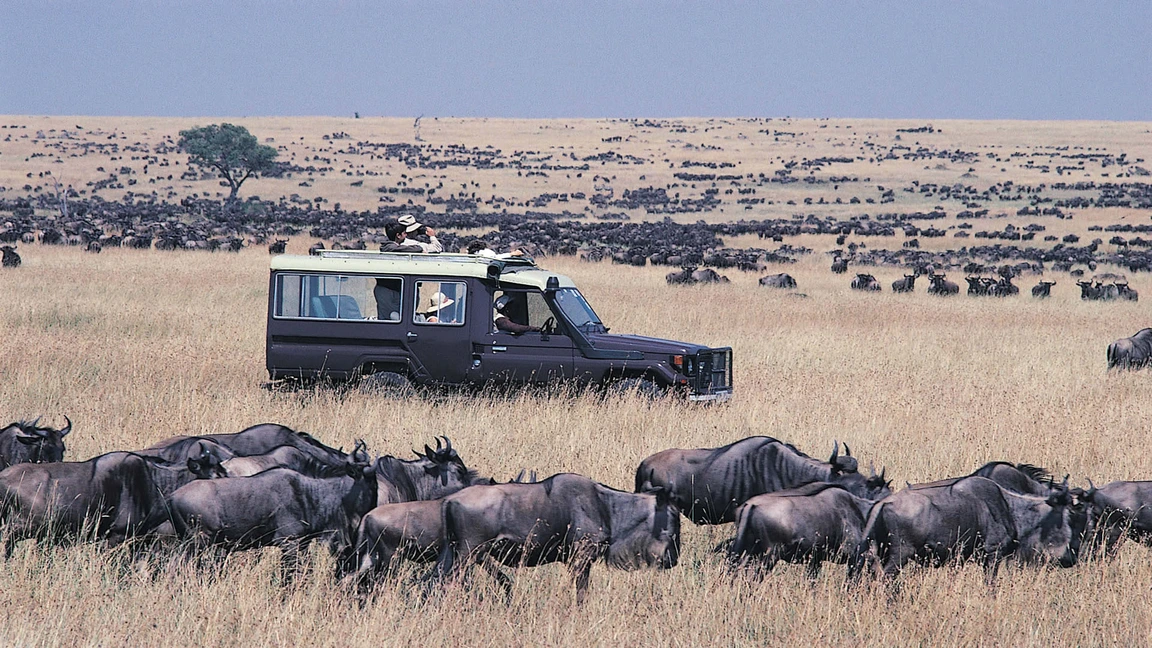
At the heart of every Kenya safari is the Masai Mara, home to the world-famous Great Wildebeest Migration. Each year, millions of wildebeest and zebra thunder across the plains in search of fresh grazing, attracting powerful predators like lions, cheetahs, and crocodiles. It’s one of the greatest wildlife spectacles on Earth.
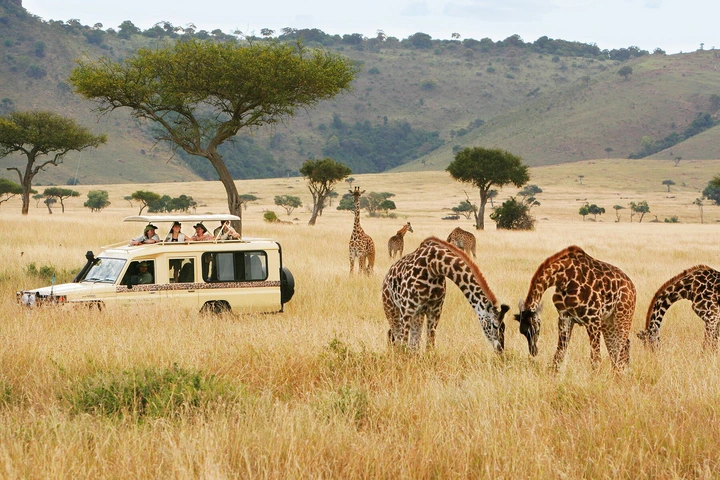
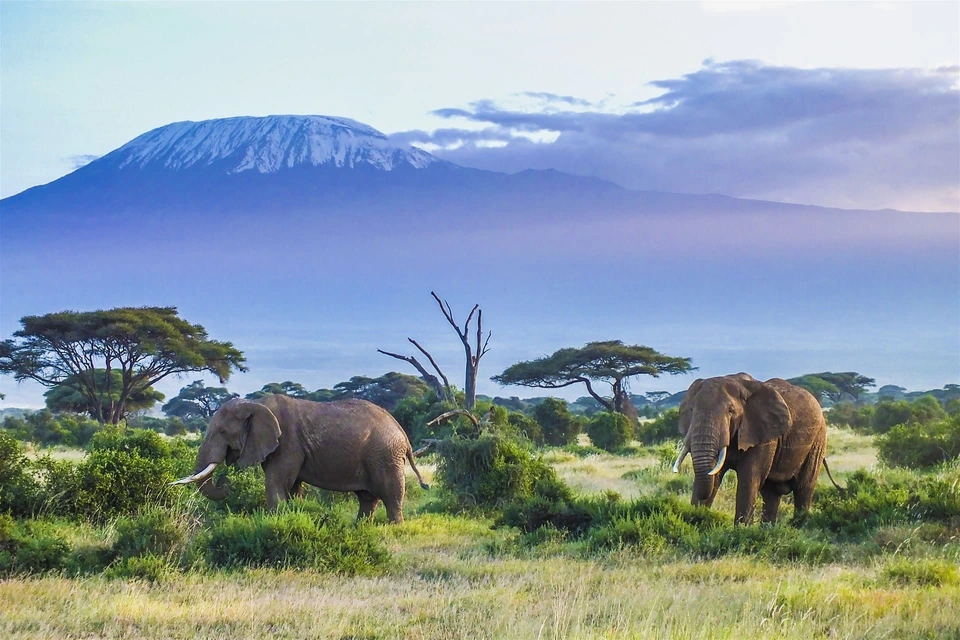
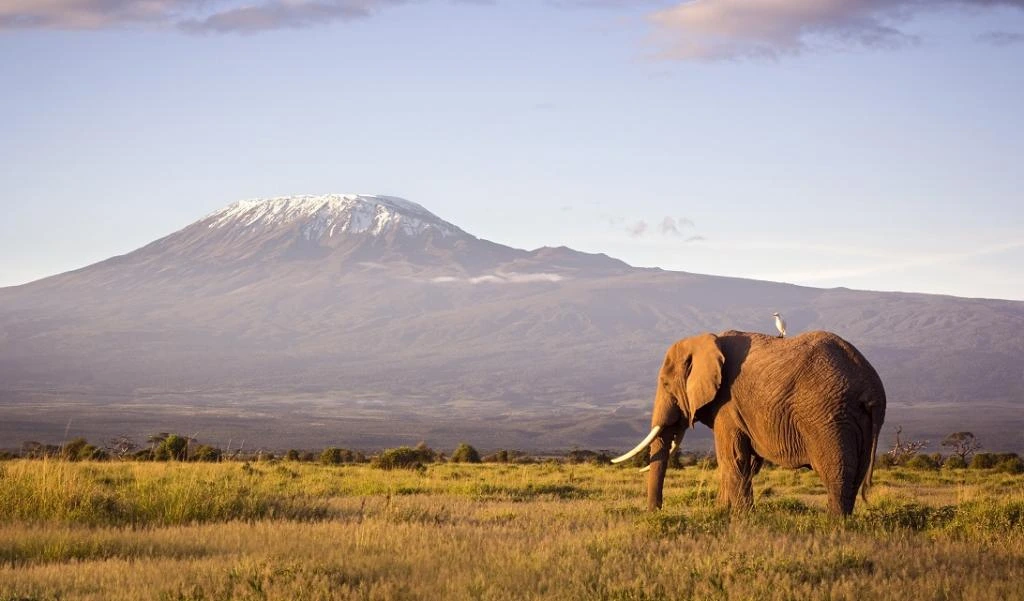
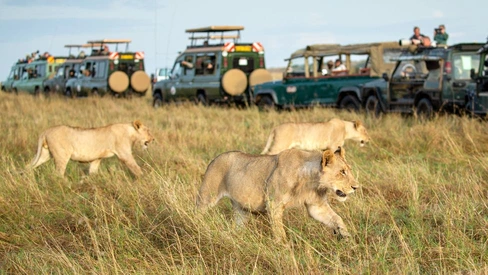
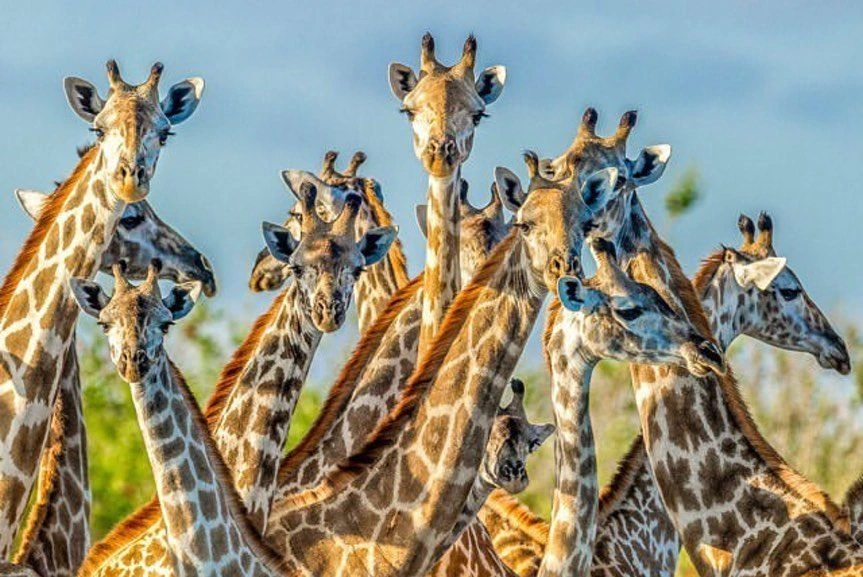
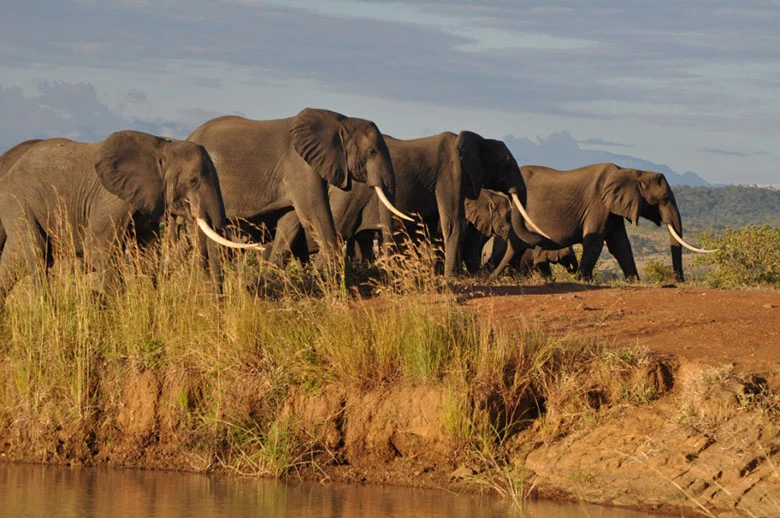
Beyond the migration, Kenya safari tours offer exceptional Big Five sightings—lion, leopard, elephant, buffalo, and rhino—alongside giraffes, hippos, and hundreds of bird species. Whether you’re exploring Amboseli with Mount Kilimanjaro as a backdrop or tracking rare wildlife in Samburu, every moment feels cinematic.
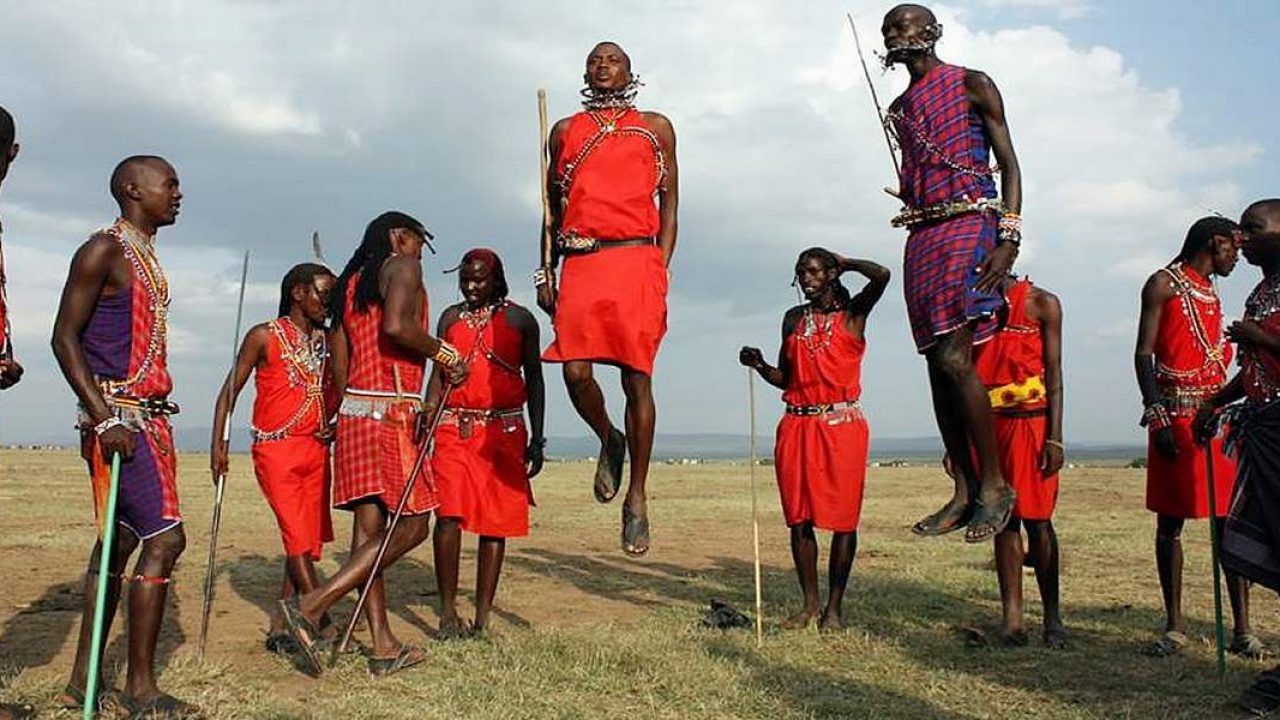
A Kenya safari is also a cultural journey. Meet the proud Maasai people, explore traditional villages, and experience authentic East African hospitality that adds depth and meaning to your adventure.
Whether you’re planning a luxury safari, a private wildlife tour, or a family-friendly Kenya adventure, a Kenya safari delivers unforgettable moments at every turn. Start your journey today and discover why Kenya remains one of Africa’s top safari destinations.
Why travelers book with us




2026/2027 Kenya Safari tours & prices
Hand-picked options—compare quickly, then request a custom plan.
 Luxury
8-Day Luxury Kenya Wildlife Safari – Big Five & Iconic African Quest

Gaudence Mathew
OnlineLooking for a tailored private tour?
Reach out today—our team will get back to you within 24 hours.
Best Time to Visit Kenya for Safari
Kenya is a year-round safari destination, but wildlife viewing varies depending on the season and region. From the world-famous Masai Mara Great Migration to elephant herds beneath Mount Kilimanjaro in Amboseli, each month offers unique experiences. Click on a month below to explore climate details, wildlife highlights, and our expert recommendations for planning your Kenya safari.
Kenya Safari in January
January is one of the best months to visit Kenya for a classic safari experience. The weather is generally dry and sunny, with excellent wildlife visibility across major parks such as the Masai Mara, Amboseli, and Samburu. Animals gather around water sources, making sightings more predictable and rewarding. Coastal areas like Mombasa and Diani Beach also enjoy warm, pleasant conditions.
Highlights
- Dry season conditions with clear skies
- Excellent wildlife viewing in Masai Mara
- Large elephant herds in Amboseli
- Great photography opportunities
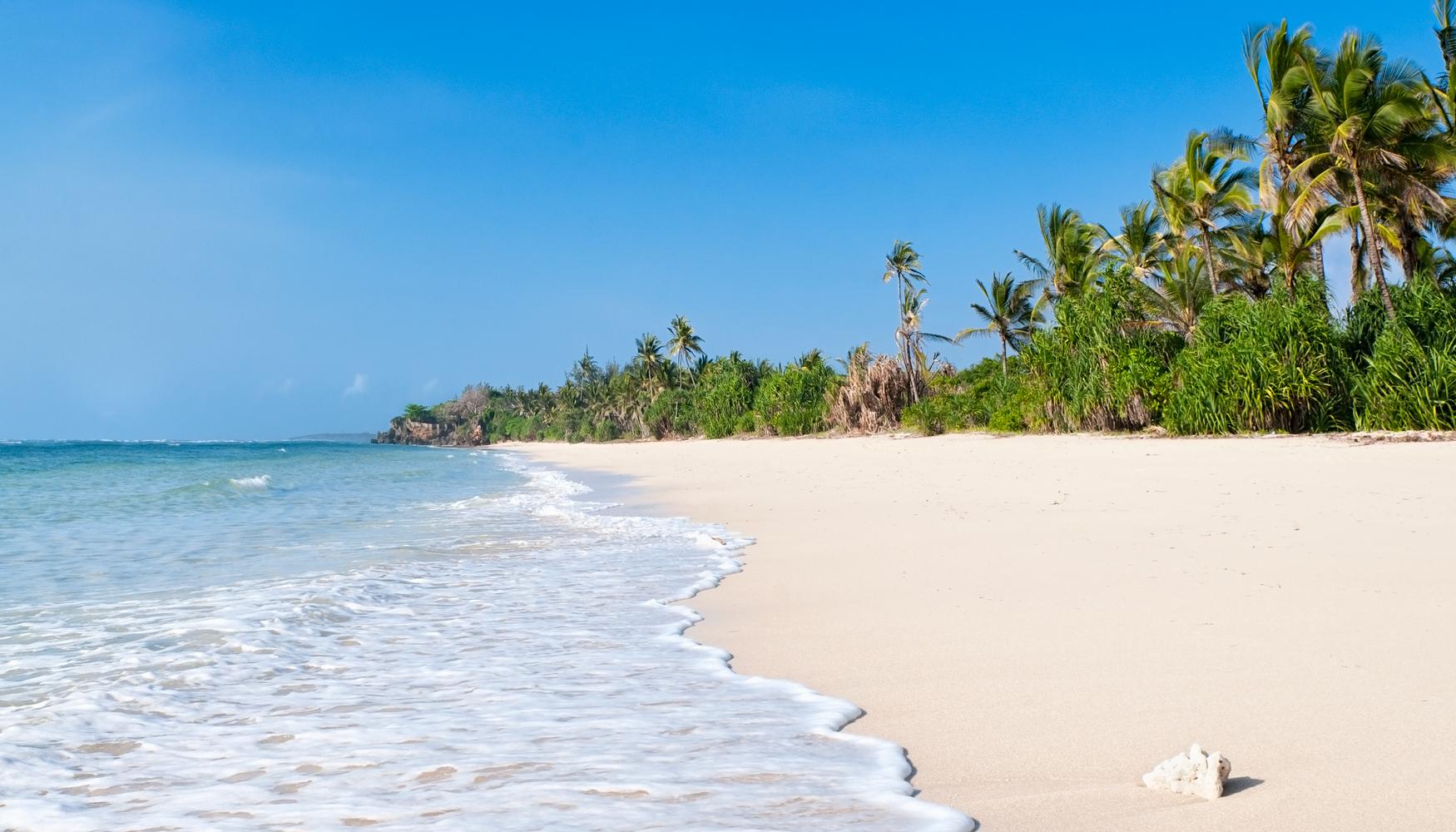
- Good beach extension weather along the Kenyan coast
Our View
January is ideal for travelers seeking reliable wildlife sightings and comfortable safari weather. While it is not migration season in Kenya, predator activity remains strong and parks are less crowded than peak months. It is a well-balanced time for both first-time and experienced safari travelers.
Kenya Safari in February
February is one of the best months for wildlife viewing in Kenya. The dry conditions continue across the Masai Mara, Amboseli, and Samburu regions, making animals easier to spot as vegetation remains sparse. Predator sightings are often excellent, and warm, sunny days create ideal safari conditions.
Highlights
- Prime dry-season wildlife viewing
- Strong predator activity in Masai Mara
- Excellent elephant sightings in Amboseli
- Clear skies and ideal photography conditions
- Perfect beach weather along the Kenyan coast
Our View
February offers outstanding safari conditions with minimal rainfall and excellent visibility. It is especially suitable for travelers who want dependable wildlife sightings without peak migration crowds. For those combining safari with a beach extension, February provides warm and sunny coastal conditions.
Kenya Safari in March
March marks the transition from Kenya’s dry season to the long rains. Early in the month, wildlife viewing remains strong across the Masai Mara, Amboseli, and Samburu. As the month progresses, rainfall becomes more frequent, especially in the afternoons. Despite this, safari experiences remain rewarding, and visitor numbers begin to decline.
Highlights
- Good wildlife viewing early in the month
- Fewer tourists compared to peak season
- Gradually greener landscapes
- Improved lodge availability
- Warm coastal conditions
Our View
March is suitable for travelers who prefer fewer crowds and slightly better rates while still enjoying solid wildlife viewing. While rainfall increases toward the end of the month, experienced guides plan flexible game drives to maintain rewarding safari experiences.
Kenya Safari in April
April is the wettest month in Kenya, marking the peak of the long rainy season. Rainfall can be heavier and more consistent, particularly in the Masai Mara and western regions. While showers may occasionally affect road conditions, the landscapes become lush and vibrant, offering dramatic scenery and quieter safari experiences.
Highlights
- Lowest safari prices of the year
- Very few tourists in national parks
- Beautiful green landscapes
- Excellent birdwatching opportunities
- Private safari experience feel
Our View
April is best suited for travelers seeking value and solitude rather than peak wildlife intensity. While rain is more frequent, experienced safari operators adjust routes to maximize wildlife viewing. If you prioritize lower prices and fewer crowds, April can offer a surprisingly peaceful safari.
Kenya Safari in May
May continues Kenya’s long rainy season, although rainfall gradually decreases as the month progresses. The parks remain lush and green, and wildlife viewing can still be rewarding, particularly in areas such as Amboseli and Samburu. Visitor numbers remain low, creating a peaceful and private safari atmosphere.
Highlights
- Lower safari rates compared to peak months
- Quiet parks with minimal vehicle traffic
- Beautiful green landscapes
- Good birdwatching season
- Improving conditions toward late May
Our View
May is ideal for flexible travelers who value lower prices and fewer crowds. While rainfall may still occur, especially earlier in the month, conditions often improve toward the end. For photographers and nature lovers, the green scenery provides stunning contrasts against Kenya’s wildlife.
Kenya Safari in June
June marks the beginning of Kenya’s dry season and a return to excellent safari conditions. Rainfall decreases significantly, vegetation begins thinning, and wildlife becomes easier to locate around water sources. Temperatures are cooler and comfortable for extended game drives, especially in the Masai Mara and Amboseli.
Highlights
- Start of dry season
- Improving wildlife visibility
- Comfortable daytime temperatures
- Fewer crowds than peak migration months
- Good photographic conditions
Our View
June is an excellent choice for travelers who want strong wildlife viewing before the peak migration crowds arrive. Conditions are generally dry and pleasant, and park activity begins increasing as animals concentrate near water. It is a balanced month offering quality experiences without peak-season intensity.
Kenya Safari in July
July marks the beginning of Kenya’s peak safari season. The Great Migration herds begin crossing into the Masai Mara from Tanzania’s Serengeti, creating dramatic wildlife encounters. Dry conditions improve visibility across parks, and animals gather near water sources, making sightings more frequent and rewarding.
Highlights
- Great Migration arriving in Masai Mara
- Possible Mara River crossings begin
- Peak dry-season wildlife viewing
- Cool and comfortable safari temperatures
- Strong Big Five sightings
Our View
July is one of the most exciting months to visit Kenya, especially for travelers hoping to witness the Great Migration in the Masai Mara. Due to high global demand, early booking is essential. If your priority is classic African safari drama and migration movement, July is an outstanding choice.
Kenya Safari in August
August is widely considered the best month to visit Kenya for the Great Migration. Vast herds of wildebeest and zebra gather along the Mara River, creating dramatic river crossings and intense predator encounters. Dry conditions throughout the country ensure excellent wildlife visibility and ideal safari weather.
Highlights
- Peak Mara River crossings
- Exceptional Great Migration activity
- Outstanding predator sightings
- Dry roads and clear skies
- Prime Big Five safari conditions
Our View
August is the pinnacle of Kenya’s safari season. If witnessing Mara River crossings is your priority, this is the month to travel. Availability is extremely limited due to global demand, so booking well in advance is highly recommended. For unforgettable wildlife drama, August delivers at the highest level.
Kenya Safari in September
September continues Kenya’s peak safari season with excellent wildlife viewing across the Masai Mara and other major parks. The Great Migration remains active in the Mara, with ongoing river crossings and strong predator encounters. Dry conditions persist, creating reliable game-viewing opportunities and beautiful golden landscapes.
Highlights
- Great Migration still active in Masai Mara
- Strong chances of river crossings
- Outstanding Big Five sightings
- Dry and comfortable safari conditions
- Slightly fewer crowds than August
Our View
September is an outstanding month for a Kenya safari, offering peak wildlife activity with slightly reduced pressure compared to August. If you want migration drama combined with consistent safari comfort, September is an excellent choice. Advance booking remains essential due to strong demand.
Kenya Safari in October
October marks the final phase of Kenya’s dry season. Wildlife viewing remains excellent across the Masai Mara, Amboseli, and Samburu, with animals concentrated near water sources. The Great Migration may still be present in the Mara early in the month before gradually moving south. Conditions remain dry and comfortable for game drives.
Highlights
- Late dry-season wildlife concentrations
- Migration still possible early month
- Fewer tourists compared to peak season
- Good lodge availability
- Warm, sunny safari weather
Our View
October is a strong choice for travelers who want excellent wildlife viewing without peak-season intensity. While migration activity begins tapering, game viewing remains rewarding. It offers a balanced combination of good conditions, moderate crowds, and improved availability.
Kenya Safari in November
November marks the beginning of Kenya’s short rainy season. Rainfall typically comes in brief afternoon showers rather than continuous rain, allowing safari activities to continue comfortably. The landscapes begin turning green again, and visitor numbers decrease, creating a more peaceful experience in major parks such as the Masai Mara and Amboseli.
Highlights
- Short, scattered rain showers
- Greener landscapes across parks
- Fewer vehicles at wildlife sightings
- Competitive safari pricing
- Excellent birdwatching season
Our View
November is well suited for travelers who prioritize value and a quieter safari atmosphere. While occasional rain is expected, wildlife viewing remains rewarding, and parks are far less crowded than during peak migration months. Flexible itineraries are recommended to accommodate possible showers.
Kenya Safari in December
December marks the return of drier conditions across much of Kenya as the short rains taper off. Landscapes remain lush and vibrant, offering beautiful scenery for safari photography. Wildlife viewing continues to be rewarding in the Masai Mara, Amboseli, and Samburu. Toward Christmas and New Year, demand increases significantly as Kenya becomes a popular festive safari destination.
Highlights
- Greener landscapes and vibrant scenery
- Good wildlife viewing across major parks
- Festive safari atmosphere
- Excellent beach conditions along the Kenyan coast
- Great combination of safari and holiday travel
Our View
December is an excellent month for combining safari with holiday celebrations. Early December offers quieter conditions and good value, while late December sees higher demand due to Christmas and New Year travel. Booking well in advance is recommended for festive-period safaris.
Kenya Safari top activities
Browse highlights quickly—expand any activity to read more.
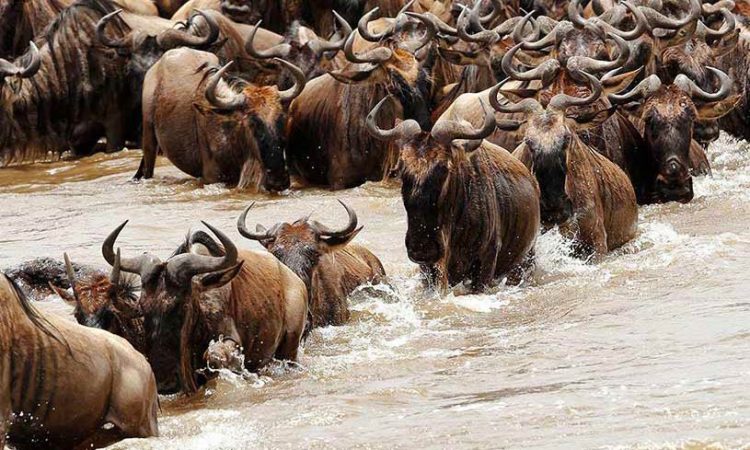
Witness a Spectacle of Nature Unlike Any Other on Your Kenya Safari – The Awe-Inspiring Great Migration
Time your trip strategically and be captivated by this thundering display of life. Millions of wildebeest and zebra embark on a relentless journey across the vast plains, following the rains and the promise of fresh pastures.
Imagine the earth trembling beneath the hooves of a million wildebeest as they thunder across the Mara River in a dramatic display of survival. Witnessing the Great Migration on a Kenya safari is your chance to experience the raw power and breathtaking beauty of nature on a grand scale.
It’s a memory that will stay with you forever — a living testament to the resilience and wonder of the animal kingdom.
Oreteti Safari Reviews on TripAdvisor
Real experiences shared by our travelers
Joseph and his team were excellent, from the airport to the airstrip! They managed everything with a group of 12 individuals in a very professional manner, which enhanced the safari's atmosphere. D...
The company, run by young Maasai, has organised an unforgettable, impressive and wonderful experience. We travelled as a big family and every need and wish got beyond satisfied. We always felt safe...
I had high expectations for my trip to Tanzania, but the 11-Day Tanzania Wildlife Safari & Beach Holiday tour with Oreteti Safari exceeded all of them! Prior to the trip, the main point of contact,...
Kenya Safari frequently asked questions
Click a question to expand the answer.
There are many different types of Kenya safaris, including:
- Game drives: Game drives are the most popular type of safari. They involve driving through the park in an open-top vehicle, looking for animals.
- Walking safaris: Walking safaris allow you to get closer to the animals and experience the bush in a more intimate way.
- Hot air balloon safaris: Hot air balloon safaris offer stunning views of the landscape and the animals below.
- Fly-in safaris: Fly-in safaris allow you to cover more ground and see more animals in a shorter amount of time.
Packing for Your Kenya Safari: Dress for Adventure, Feel Like a Pro!
Imagine yourself on a thrilling game drive, spotting lions basking in the golden sun. Or picture yourself relaxing by a pool, surrounded by breathtaking landscapes. Whatever your Kenya safari dream, packing strategically is key. Forget overthinking — let’s curate your personalized packing list:
Sun Seekers
-
Lightweight, breathable shirts and shorts: Opt for quick-drying fabrics.
-
Wide-brimmed sun hat and sunglasses: Shield your eyes from the African sun.
-
Swimsuit and beach cover-up: Embrace the poolside paradise.
Wildlife Enthusiasts
-
Neutral-colored, long-sleeved shirts and pants: Blend in with the environment and avoid attracting insects.
-
Sturdy walking shoes or hiking boots: Tread confidently on uneven terrain.
-
Binoculars: Get closer to the action and witness wildlife in detail.
Budget Travelers
-
Mix-and-match versatile clothing: Pack pieces that work in different combinations.
-
Use layers: Adapt to changing temperatures with light sweaters or jackets.
-
One good pair of shoes: Choose footwear suitable for both game drives and village visits.
Remember:
-
Check the weather forecast for your travel dates.
-
Consider the specific activities planned for your safari.
-
Leave space in your luggage for souvenirs!
The cost of a Kenya safari can vary greatly depending on several factors, making it difficult to give a one-size-fits-all answer. However, I can provide you with some general guidelines and resources to help you estimate your budget:
Key Factors Affecting Cost:
- Duration: Shorter safaris (2-3 days) are naturally less expensive than longer ones (7-10 days).
- Season: Peak season (June-October) is typically pricier due to higher demand. Consider shoulder seasons (April-May and November) for better deals.
- Accommodation: Luxury lodges and camps with private pools and amenities will cost significantly more than budget-friendly campsites or basic tented camps.
- Activities: Some safaris include additional activities like hot air balloon rides, boat trips, or cultural excursions, which will increase the cost.
- Transportation: Flying into remote airstrips can be expensive, while overland travel by jeep is generally more affordable.
Estimated Cost Range:
- Budget Safaris: $125-$200 per day per person (camping or basic tented camps, shared bathrooms, basic meals)
- Mid-Range Safaris: $300-$600 per day per person (comfortable lodges with private bathrooms, good meals, diverse activities)
- Luxury Safaris: $600-$2,000+ per day per person (exclusive lodges with private pools and spas, gourmet meals, unique experiences)
Tips for Saving Money:
- Travel during the shoulder seasons.
- Consider flying into Nairobi instead of remote airstrips.
- Choose a safari package with fewer included activities and book additional experiences separately if desired.
- Travel in a group, as some operators offer discounts for larger groups.
Remember:
- These are just estimates, and the actual cost of your safari will depend on your specific choices.
- It's always best to get quotes from several different operators before making a decision.
- Don't let budget be the only factor in your decision; choose a safari that meets your interests and preferences.