Climb Africa’s Highest Peak with Expert Guidance
Travel Guide Reply in 24h See Reviews

Climb Africa’s Highest Peak with Expert Guidance

Mount Kilimanjaro is Africa’s highest mountain and one of the most iconic trekking destinations in the world, rising to 5,895 meters (19,341 feet) above sea level. Located in northern Tanzania, this legendary peak att...

Local safari experts
Tailor-made trips
Trusted operator

Mount Kilimanjaro Travel Guide: Routes, Costs, Tips & Climbing Information

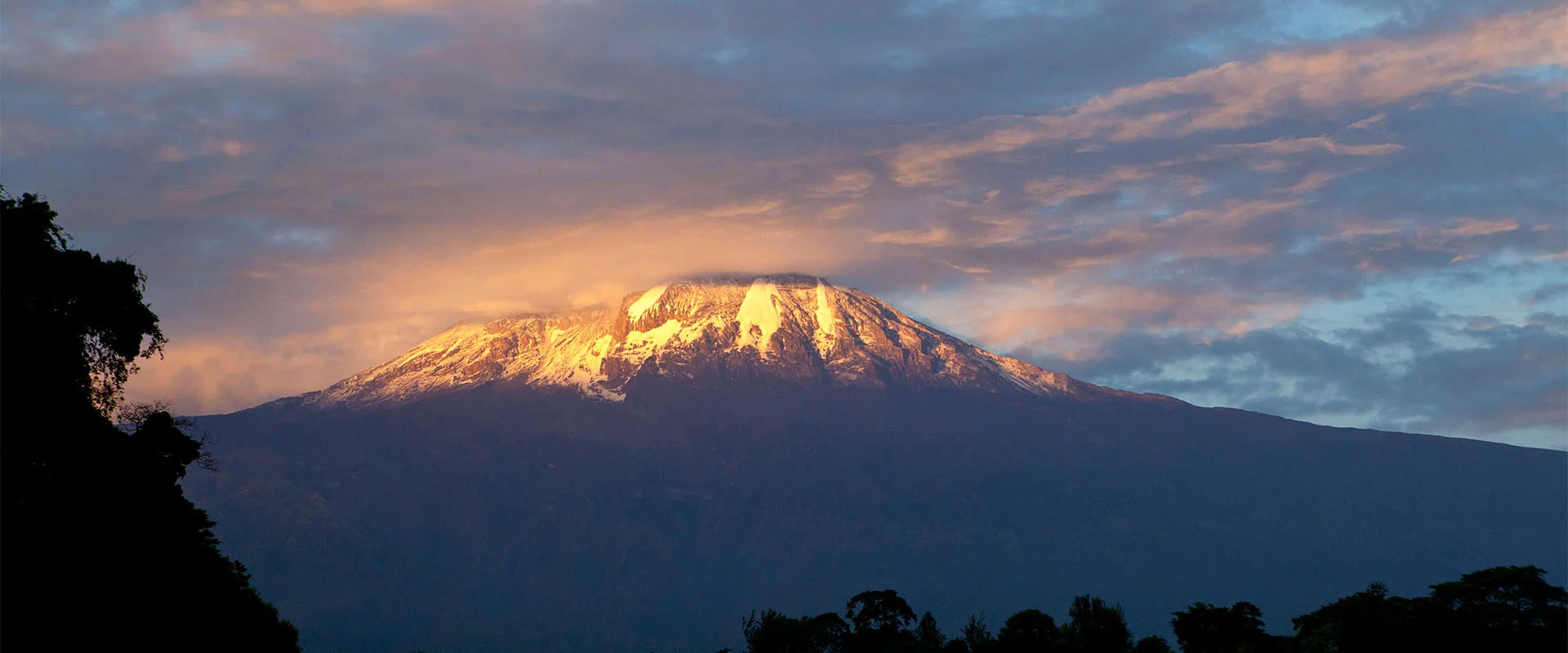
Mount Kilimanjaro is Africa’s highest mountain and one of the most iconic trekking destinations in the world, rising to 5,895 meters (19,341 feet) above sea level. Located in northern Tanzania, this legendary peak attracts climbers from around the globe, all seeking the unforgettable experience of standing on Uhuru Peak—the “Roof of Africa.”

Unlike many high-altitude mountains, Kilimanjaro is a non-technical climb, meaning it does not require advanced mountaineering skills. However, it is still a physically demanding journey that requires proper preparation, the right route, and experienced support to reach the summit successfully.

At Oreteti Safari, we’ve guided climbers of all experience levels to the top of Kilimanjaro, helping them navigate altitude, choose the best routes, and enjoy every stage of the journey. Whether you are a first-time trekker or an experienced adventurer, climbing Kilimanjaro is a life-changing experience filled with breathtaking landscapes and personal achievement. Many travelers also choose to combine their trek with unforgettable Tanzania safaris, creating a complete African adventure.

This guide covers everything you need to know—from routes and difficulty levels to costs, packing, and expert tips—so you can plan your Kilimanjaro climb with confidence. If you're ready to take the next step, explore our expertly designed Kilimanjaro climbing tours tailored for different experience levels and durations.

Where is Mount Kilimanjaro?

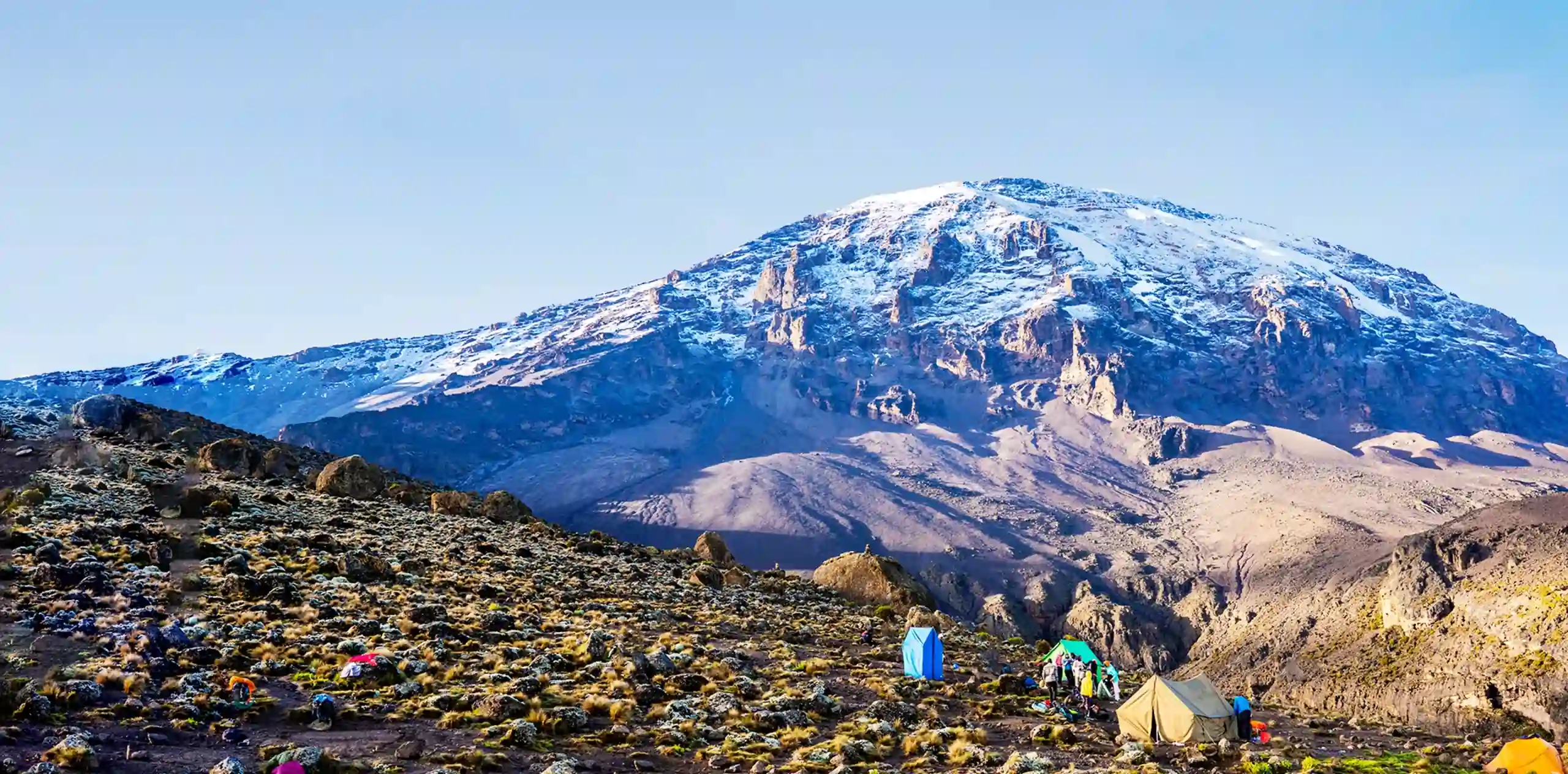
Mount Kilimanjaro is located in northern Tanzania, close to the border with Kenya. It stands within Kilimanjaro National Park, a protected area known for its diverse ecosystems, ranging from lush rainforest at the base to alpine desert and glaciers near the summit.

Despite its remote and dramatic setting, Kilimanjaro is surprisingly accessible. The mountain lies just a short distance from the towns of Moshi and Arusha, both of which serve as the main starting points for trekking expeditions.

🟢 H3: Nearest Towns & Access Points

Most Kilimanjaro climbs begin from either Moshi or Arusha, depending on your itinerary and arrival plans.

📊 Key Access Locations

LocationDistance to KilimanjaroRole
Moshi~45 minutesMain base town for climbers
Arusha~1.5–2 hoursSafari hub & alternative base
Kilimanjaro International Airport~1 hourPrimary arrival airport

👉 Oreteti Tip:
Moshi is the most popular base for Kilimanjaro climbs due to its proximity to the mountain, while Arusha is ideal if you’re combining your trek with a safari.


🟢 H3: Kilimanjaro’s Geographic Highlights

Mount Kilimanjaro is not just a single peak but a massive volcanic mountain made up of three distinct cones:


📊 Kilimanjaro Peaks

PeakHeightDescription
Kibo5,895 mHighest peak (Uhuru Peak)
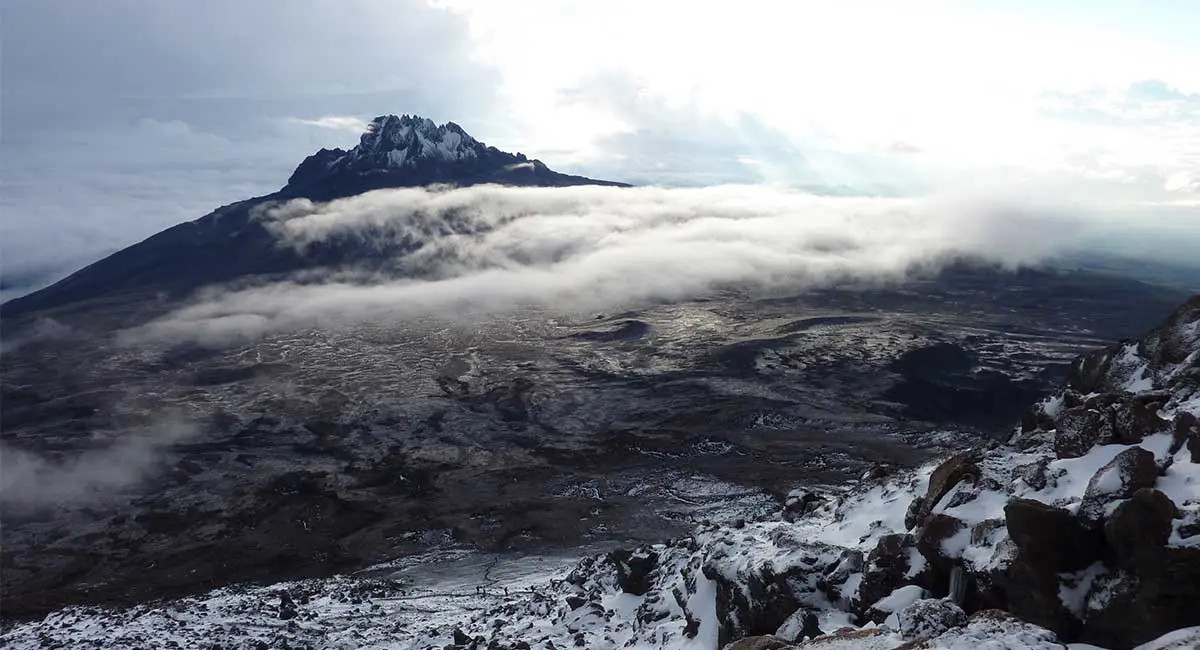
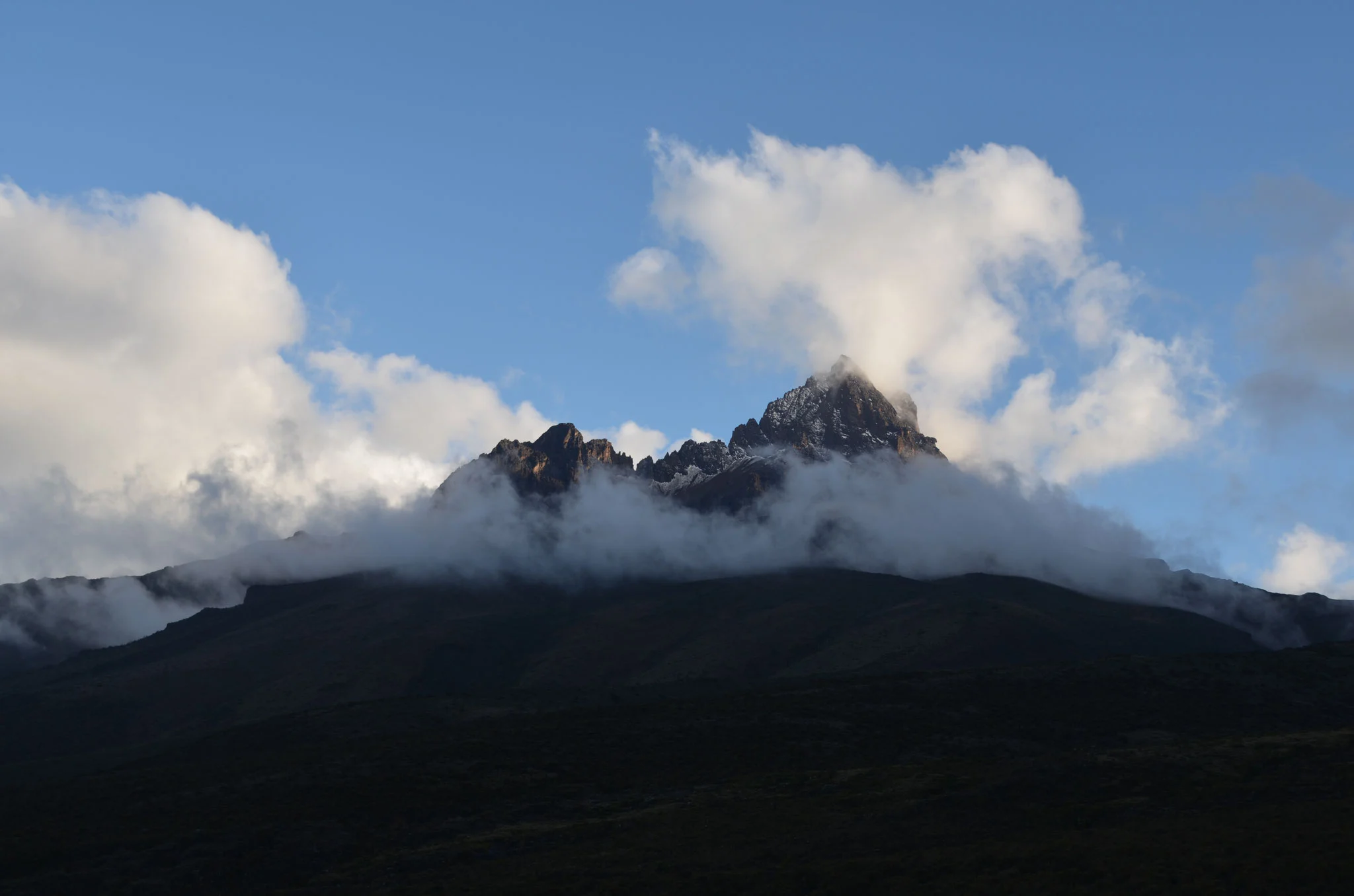
Mawenzi5,149 mRugged and technical
Shira3,962 mOldest and lowest cone

Kibo is the only peak that can be summited by trekkers and is home to Uhuru Peak, the highest point in Africa.
History of Mount Kilimanjaro

History of Mount Kilimanjaro

Mount Kilimanjaro has fascinated explorers, scientists, and adventurers for centuries. Rising dramatically above the plains of northern Tanzania, the mountain was once considered unreachable due to its height, glaciers, and unpredictable conditions.

For many years, early explorers attempted to reach the summit but were forced to turn back due to extreme weather and lack of proper equipment.

🟢  First Successful Ascent
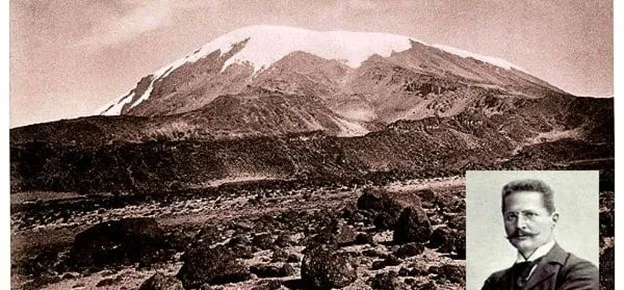
The first successful summit of Mount Kilimanjaro was achieved in 1889 by Hans Meyer, a German geographer, together with Austrian mountaineer Ludwig Purtscheller and local guide Yohani Kinyala Lauwo.

Their expedition marked a historic moment, proving that the summit of Africa’s highest mountain could be reached. The peak was later named Uhuru Peak, meaning “freedom” in Swahili, symbolizing both achievement and independence.

👉 Oreteti Insight:
Local guides have always played a crucial role in Kilimanjaro expeditions, from the earliest climbs to modern-day trekking experiences.

🟢  Kilimanjaro Today
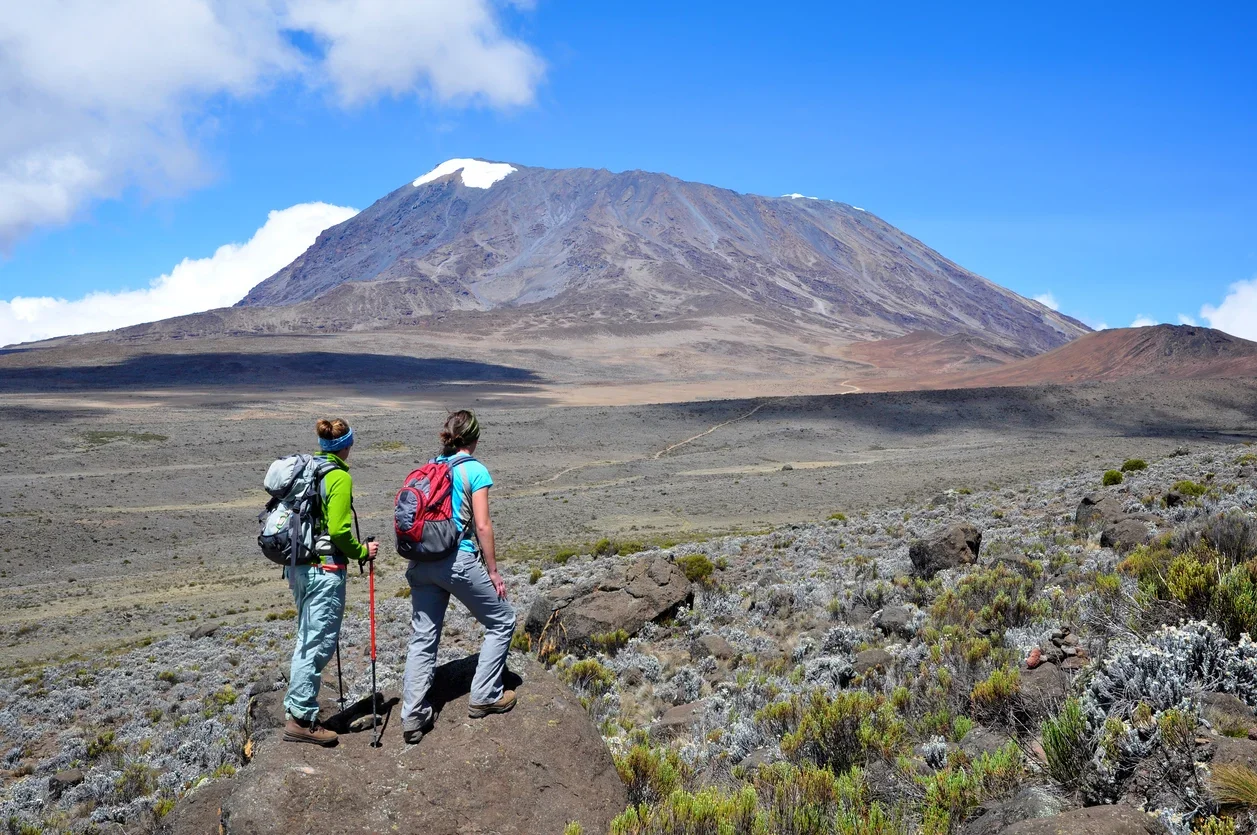
Today, Mount Kilimanjaro is one of the most popular trekking destinations in the world, attracting thousands of climbers each year. Unlike technical mountains that require ropes and climbing equipment, Kilimanjaro can be summited by trekkers with determination, proper preparation, and experienced guidance.

Modern routes, improved safety standards, and professional guiding teams have made the mountain more accessible than ever—while still preserving the challenge and sense of achievement that has defined Kilimanjaro for generations.

Kilimanjaro Routes & Which One is Best

Kilimanjaro Routes & Which One is Best

Choosing the right route is one of the most important decisions when planning your Kilimanjaro climb. Each route offers a different experience in terms of scenery, difficulty, duration, and success rate. At Oreteti Safari, we help climbers select the route that best matches their fitness level, preferences, and overall goals.

Below is an overview of the main Kilimanjaro routes, along with guidance on which option is best depending on your priorities.


🟢  Main Kilimanjaro Routes
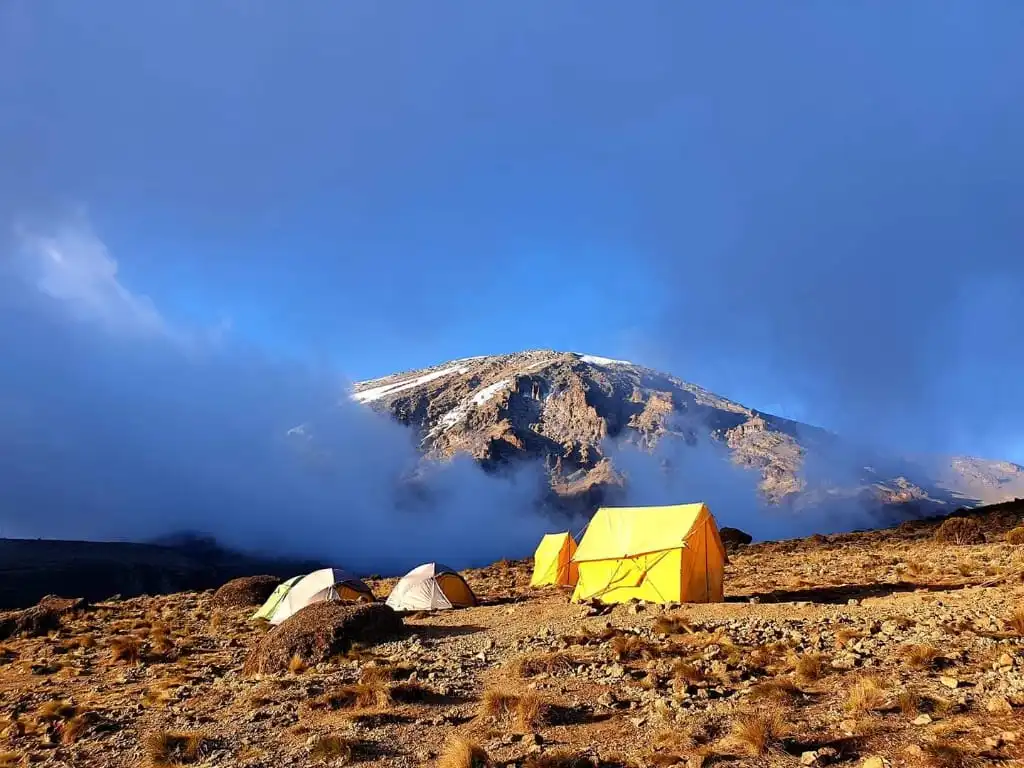
Mount Kilimanjaro has several established trekking routes, each offering a unique path to the summit:

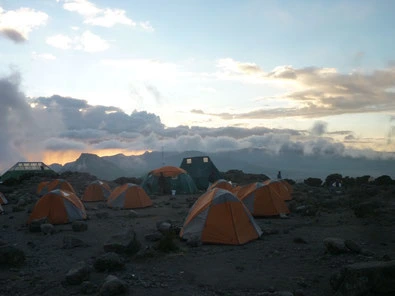
  • Machame Route – Popular and scenic, known as the “Whiskey Route,” offering good acclimatization and high success rates
  • Marangu Route – The only route with hut accommodation, often considered the simplest but with lower success rates due to shorter duration
  • Lemosho Route – One of the most scenic and recommended routes, offering excellent acclimatization and a quieter experience
  • Rongai Route – Approaches from the north near the Kenya border, drier and less crowded
  • Northern Circuit – The longest route, offering the highest success rate and the most comprehensive experience around the mountain

👉 Oreteti Insight:
Longer routes generally provide better acclimatization and significantly increase your chances of reaching the summit.


🟢 Which Kilimanjaro Route is Best?
The best route depends on your experience level, time, and what you want from the climb.

📊 Choosing the Right Route

PriorityBest Route
BeginnersLemosho or Machame
Highest Success RateNorthern Circuit
Best SceneryLemosho & Machame
Shortest DurationMarangu
Less CrowdsRongai or Northern Circuit

👉 Oreteti Recommendation:
For most climbers, we recommend the Lemosho or Machame routes, as they offer the best balance between scenery, acclimatization, and summit success.

How Difficult is Climbing Kilimanjaro?

Climbing Mount Kilimanjaro is a challenge, but it’s achievable for many people with the right preparation and mindset. Unlike technical mountains, Kilimanjaro does not require climbing skills or special equipment. However, the combination of altitude, long trekking days, and changing weather conditions makes it a demanding journey.

At Oreteti Safari, we’ve guided climbers of all ages and fitness levels to the summit. The key to success is not speed or strength—but proper acclimatization, pacing, and experienced support.


🟢  Physical Difficulty
Kilimanjaro is often described as a trek, not a climb, but it still requires good physical fitness. You’ll be hiking for several hours each day, sometimes on steep and uneven terrain.

📊 Physical Demands

FactorWhat to Expect
Daily Hiking5–8 hours per day
Summit Day10–14 hours (most challenging)
TerrainTrails, rocks, and loose ground
TemperatureWarm days, very cold nights

👉 Oreteti Insight:
You don’t need to be an athlete, but you should be comfortable walking long distances for several consecutive days.


🟢 Altitude Challenge (Biggest Factor)
The biggest challenge on Kilimanjaro is altitude, not distance or terrain. As you climb higher, oxygen levels decrease, which can affect your body.

Common effects include:

  • headaches
  • fatigue
  • shortness of breath

👉 Oreteti Tip:
The best way to handle altitude is to climb slowly (“pole pole”), stay hydrated, and choose a longer route for better acclimatization.


🟢  Mental Strength
Reaching the summit is as much a mental challenge as it is physical. Summit night is long, cold, and demanding, requiring determination and focus.

👉 Staying positive, listening to your guide, and maintaining a steady pace are key factors in reaching Uhuru Peak.


🟢 Who Can Climb Kilimanjaro?
Kilimanjaro is suitable for a wide range of travelers, including:

  • First-time trekkers
  • Active travelers with moderate fitness
  • Experienced hikers

With proper preparation and guidance, many people successfully reach the summit each year.

👉 Oreteti Recommendation:
Choosing the right route and allowing enough days on the mountain significantly improves your chances of success.

Kilimanjaro Success Rates

Reaching the summit of Mount Kilimanjaro is a major achievement, and success rates can vary depending on the route you choose and how well your body adapts to altitude. At Oreteti Safari, we always emphasize proper acclimatization and route selection, as these are the most important factors in reaching Uhuru Peak successfully.


🟢  Success Rates by Route
Different routes have different success rates, mainly due to their length and how well they allow your body to adjust to altitude.

📊 Kilimanjaro Route Success Rates

RouteDurationSuccess Rate
Marangu Route5–6 days50% – 65%
Machame Route6–7 days70% – 85%
Lemosho Route7–8 days80% – 90%
Rongai Route6–7 days65% – 80%
Northern Circuit8–9 days90% – 95%

👉 Oreteti Insight:
Longer routes like Lemosho and the Northern Circuit give your body more time to adapt, which significantly increases your chances of reaching the summit.


🟢 What Affects Success Rates?
Success on Kilimanjaro is not just about fitness—it depends on several key factors:

  • Acclimatization – More days on the mountain = higher success
  • Pace (“Pole Pole”) – Climbing slowly improves oxygen adaptation
  • Route Choice – Longer routes perform better
  • Guide Support – Experienced teams monitor your condition
  • Mental Strength – Determination plays a major role

👉 Oreteti Tip:
Choosing a 7–8 day itinerary instead of a shorter one can make a huge difference in your summit success.


🟢 How to Improve Your Chances of Success

There are practical steps you can take to increase your chances of reaching Uhuru Peak:

📊 Key Success Tips

TipWhy It Matters
Choose a longer routeBetter acclimatization
Stay hydratedHelps your body adjust
Walk slowlyConserves energy
Listen to your guideSafety & proper pacing
Train before the tripImproves endurance

👉 Oreteti Recommendation:
We always recommend prioritizing success over speed—taking an extra day on the mountain is one of the best investments you can make.

Best Time to Climb Mount Kilimanjaro

Mount Kilimanjaro can be climbed year-round, but weather conditions vary significantly throughout the year. Choosing the right time to climb plays a major role in your overall experience, including visibility, trail conditions, and your chances of reaching the summit.

At Oreteti Safari, we help our clients plan their climbs during the most favorable seasons to maximize both comfort and success.


Best Time to Climb Mount Kilimanjaro

Mount Kilimanjaro can be climbed year-round, but weather conditions vary significantly throughout the year. The best months to climb Kilimanjaro are January to March and June to October, when rainfall is lower and summit success rates are higher. While the mountain is accessible in all seasons, choosing the right month can improve visibility, trail conditions, and overall comfort during your climb.

Jan
Feb
Mar
🌧 Apr
🌧 May
Jun
Jul
Aug
Sep
Oct
Nov
Dec

January Travel Conditions

Strongly Recommended
Avg High20°C
Avg Low-5°C
Rainfall45 mm
Humidity60%
Crowdsmedium
Cost Levelhigh

January is one of the best months to climb Mount Kilimanjaro. The short dry season brings relatively stable weather, clearer skies, and improved summit visibility. Trail conditions are generally dry, and temperatures are comfortable at lower elevations, although summit nights remain extremely cold.

Highlights

  • Clear summit views
  • Dry trail conditions
  • Strong summit success rates
  • Stable weather patterns
  • Comfortable lower-elevation temperatures

Our View

January is an excellent choice for climbers seeking favorable weather and strong summit conditions. While it is a popular month, crowd levels are manageable compared to peak July–August. Proper layering is essential for cold summit temperatures.

Best For: first-time climbers, photographers, honeymoon adventure trips, high summit success focus
Avoid If: seeking completely empty routes

February Travel Conditions

Strongly Recommended
Avg High21°C
Avg Low-4°C
Rainfall40 mm
Humidity55%
Crowdsmedium
Cost Levelhigh

February remains one of the best months to climb Mount Kilimanjaro. The short dry season continues, offering stable weather, clearer skies, and dry trail conditions. Temperatures at lower elevations are slightly warmer than January, although summit nights remain extremely cold.

Highlights

  • Stable dry weather
  • Clear summit visibility
  • Comfortable trekking temperatures at lower elevations
  • Strong summit success rates
  • Good route conditions on Machame and Lemosho

Our View

February is ideal for climbers seeking favorable weather and high summit success rates. While it is part of the peak climbing window, crowd levels remain manageable compared to July and August. Early booking is recommended for preferred routes.

Best For: first-time climbers, photographers, honeymoon adventure trips, strong summit focus
Avoid If: seeking ultra-quiet routes

March Travel Conditions

Fair Season
Avg High20°C
Avg Low-6°C
Rainfall120 mm
Humidity75%
Crowdslow
Cost Levelmedium

March marks the beginning of Kilimanjaro’s long rainy season. Rainfall increases, particularly toward the end of the month, and trails may become muddy at lower elevations. While climbing remains possible, summit visibility may be reduced due to cloud cover. Visitor numbers drop, offering quieter route conditions.

Highlights

  • Fewer climbers on popular routes
  • Lush scenery at lower elevations
  • Possible good weather early in the month
  • Improved lodge and operator availability

Our View

March is suitable for experienced climbers who do not mind occasional rain and are flexible with weather conditions. While summit success remains achievable, weather patterns become less predictable. Good waterproof gear is essential during this period.

Best For: experienced climbers, travelers seeking quieter routes, flexible schedules
Avoid If: prioritizing clear summit views or dry trail conditions

April Travel Conditions

🌧 Fair Season
Avg High18°C
Avg Low-8°C
Rainfall250 mm
Humidity85%
Crowdslow
Cost Levellow

April falls in the heart of Kilimanjaro’s long rainy season and is considered the wettest month of the year. Heavy rainfall can create muddy trail conditions, particularly on forest sections of the mountain. Cloud cover often reduces summit visibility. While climbing remains possible, April is generally not recommended for first-time climbers.

Highlights

  • Very few climbers on routes
  • Lush rainforest scenery
  • Lowest demand month
  • Peaceful trekking atmosphere

Our View

April is best suited for experienced climbers who are well prepared for wet conditions. Proper waterproof gear and flexible expectations are essential. For most travelers seeking optimal summit conditions, alternative months are strongly recommended.

Best For: experienced climbers, travelers prioritizing solitude, budget-focused adventurers
Avoid If: first-time climbers, seeking clear summit views, limited vacation time

May Travel Conditions

🌧 Fair Season
Avg High18°C
Avg Low-7°C
Rainfall180 mm
Humidity80%
Crowdslow
Cost Levelmedium

May remains within Kilimanjaro’s long rainy season, although rainfall typically decreases compared to April. Trail conditions may still be wet, especially in the forest zone. Weather patterns gradually improve toward the end of the month, and visitor numbers remain low.

Highlights

  • Lower crowd levels
  • Improving weather late month
  • Lush scenery on lower slopes
  • Greater route availability

Our View

May is suitable for climbers who prefer quieter routes and are prepared for variable weather. Conditions can improve toward the end of the month, making late May a better option than early May. Proper waterproof gear remains essential.

Best For: experienced climbers, flexible schedules, those seeking quieter routes
Avoid If: prioritizing dry trail conditions or clear summit views

June Travel Conditions

Strongly Recommended
Avg High17°C
Avg Low-10°C
Rainfall60 mm
Humidity65%
Crowdsmedium
Cost Levelhigh

June marks the beginning of Kilimanjaro’s main dry season and is one of the best months to climb. Trails become significantly drier, improving trekking conditions across popular routes such as Machame, Lemosho, and Rongai. Clearer skies enhance summit visibility, although temperatures at higher elevations remain extremely cold.

Highlights

  • Dry and stable trail conditions
  • Improved summit visibility
  • Strong summit success rates
  • Comfortable trekking temperatures at lower elevations
  • Reliable weather patterns

Our View

June is an excellent month for climbers seeking dependable weather and improved trail conditions. As the peak season begins, early booking is recommended for preferred routes and dates. Proper layering is essential for cold summit temperatures.

Best For: first-time climbers, summit-focused travelers, photographers, high success priority
Avoid If: seeking quiet routes (crowds increase into July–August)

July Travel Conditions

Strongly Recommended
Avg High16°C
Avg Low-12°C
Rainfall50 mm
Humidity60%
Crowdshigh
Cost Levelhigh

July is one of the most popular and reliable months to climb Mount Kilimanjaro. The dry season is in full effect, offering stable weather patterns and clear summit visibility. Trail conditions are generally dry, although summit nights are extremely cold due to higher wind exposure.

Highlights

  • Excellent summit visibility
  • Dry and stable trail conditions
  • High summit success rates
  • Strong route conditions on Machame, Lemosho, and Rongai
  • Predictable weather patterns

Our View

July offers some of the best climbing conditions of the year and is ideal for summit-focused climbers. Because it is peak season, routes can be busier than other months. Advance booking is essential, especially for preferred routes and private climbs.

Best For: first-time climbers, summit-focused travelers, photographers, honeymoon adventure trips
Avoid If: seeking quiet, low-traffic routes

August Travel Conditions

Strongly Recommended
Avg High16°C
Avg Low-13°C
Rainfall40 mm
Humidity55%
Crowdshigh
Cost Levelhigh

August is one of the most popular months to climb Mount Kilimanjaro. The dry season continues, bringing clear skies and stable weather patterns. Trail conditions are generally excellent, although summit temperatures can be extremely cold, especially during night ascents.

Highlights

  • Excellent summit visibility
  • Very dry and stable trail conditions
  • High summit success rates
  • Reliable weather patterns
  • Strong route conditions across major routes

Our View

August offers dependable climbing conditions and is well suited for summit-focused climbers. Due to peak season demand, routes such as Machame and Lemosho may be busy. Early booking is strongly recommended.

Best For: first-time climbers, summit-focused travelers, photographers, adventure travelers
Avoid If: seeking quiet routes or off-peak pricing

September Travel Conditions

Strongly Recommended
Avg High17°C
Avg Low-10°C
Rainfall35 mm
Humidity35%
Crowdsmedium
Cost Levelhigh

September continues Kilimanjaro’s dry season and remains one of the best months to climb. Trail conditions are typically dry, and summit visibility is excellent. Compared to July and August, routes may feel slightly less crowded while still offering stable weather patterns.

Highlights

  • Dry and stable climbing conditions
  • Excellent summit visibility
  • High summit success rates
  • Slightly fewer climbers than peak months
  • Strong route conditions across Machame and Lemosho

Our View

September is an excellent alternative to the busier peak months while still benefiting from reliable dry-season conditions. Climbers seeking optimal weather with moderately reduced traffic may find September ideal.

Best For: summit-focused climbers, photographers, travelers seeking strong conditions with slightly fewer crowds
Avoid If: seeking budget pricing

October Travel Conditions

Recommended
Avg High18°C
Avg Low-8°C
Rainfall50 mm
Humidity60%
Crowdsmedium
Cost Levelhigh

October remains a strong month to climb Mount Kilimanjaro as the dry season continues. Trail conditions are generally favorable, and summit visibility is often clear. While weather patterns may become slightly less predictable toward the end of the month, climbing conditions remain reliable overall.

Highlights

  • Generally dry trail conditions
  • Good summit visibility
  • Moderate crowd levels
  • Comfortable trekking temperatures
  • Reliable route conditions

Our View

October is a strong shoulder-season option for climbers seeking reliable weather with slightly fewer crowds than peak months. While minor weather shifts may occur late in the month, overall climbing conditions remain favorable.

Best For: climbers seeking strong conditions with moderate traffic, photographers, experienced trekkers
Avoid If: seeking the absolute most stable peak-season window

November Travel Conditions

Fair Season
Avg High19°C
Avg Low-9°C
Rainfall120 mm
Humidity75%
Crowdslow
Cost Levelmedium

November marks the start of Kilimanjaro’s short rainy season. Rainfall increases, particularly on the lower forest slopes, and cloud cover becomes more common. While climbing remains possible, trail conditions may be wetter and summit visibility less predictable. Visitor numbers decrease significantly during this period.

Highlights

  • Lower climber numbers
  • Peaceful route atmosphere
  • Lush lower-slope scenery
  • Improved operator availability

Our View

November is best suited for flexible climbers who do not mind variable weather conditions. While summit success remains achievable, visibility may be limited on some days. Proper waterproof gear is essential.

Best For: experienced climbers, travelers prioritizing quieter routes, flexible schedules
Avoid If: prioritizing clear summit views or dry trail conditions

December Travel Conditions

Recommended
Avg High20°C
Avg Low-7°C
Rainfall80 mm
Humidity65%
Crowdshigh
Cost Levelhigh

December sees improving climbing conditions on Mount Kilimanjaro as the short rains taper off. While early December may still experience occasional showers, weather stabilizes toward mid-month. The festive season brings a surge in climbers, especially around Christmas and New Year.

Highlights

  • Improving trail conditions
  • Good summit visibility mid to late month
  • Festive summit experience
  • Reliable climbing window

Our View

December is a strong climbing month, particularly from mid-month onward. Climbers planning for holiday summits should book well in advance due to increased demand. Overall, success rates are solid with proper acclimatization.

Best For: holiday climbers, festive season travel, year-end achievement goals
Avoid If: seeking quiet routes during peak holiday weeks
The busiest climbing periods are July to September and late December to February. During these months, routes such as Machame and Lemosho can be more crowded. For quieter conditions, consider January or early March. Regardless of season, proper acclimatization and selecting the right route are key to summit success.

How Much Does It Cost to Climb Mount Kilimanjaro?

Climbing Mount Kilimanjaro is a once-in-a-lifetime experience, and understanding the cost is an important part of planning your trip. Prices can vary depending on the route, number of days, level of service, and whether you choose a private or group climb.

At Oreteti Safari, we always aim to provide transparent pricing, ensuring our clients receive the best value while maintaining high safety and service standards.


🟢  Average Kilimanjaro Climbing Cost

Kilimanjaro climbs are typically priced per person and depend on the level of comfort and support you choose.

📊 Average Cost Per Person

Climb TypePrice RangeExperience
Budget Climb$1,500 – $2,200Basic services, shared groups
Midrange Climb$2,200 – $3,500Better support, quality equipment
Luxury Climb$3,500 – $6,000+Premium service, comfort & private climbs

👉 Oreteti Insight:
Midrange climbs offer the best balance between cost, safety, and overall experience, making them the most popular choice.


🟢 What Affects the Cost?

Several key factors influence the overall price of your Kilimanjaro climb:

  • Route & Duration – Longer routes cost more but improve success rates
  • Group Size – Private climbs are more expensive than group climbs
  • Level of Service – Budget vs midrange vs luxury
  • Season – Peak seasons may have slightly higher costs
  • Logistics & Support – Number of guides, porters, and equipment

👉 Oreteti Tip:
Choosing a longer route may cost more upfront, but it significantly increases your chances of reaching the summit.


🟢 What’s Included in the Price

Most Kilimanjaro climbing packages are all-inclusive, covering essential services for a safe and successful trek.

📊 Typical Inclusions

IncludedDetails
Park FeesKilimanjaro National Park entry fees
AccommodationMountain tents or huts (Marangu route)
Guides & PortersProfessional team support
MealsFull board during the climb
TransfersAirport & hotel transfers

🟢  What’s Not Included

There are a few additional costs to consider when planning your climb:

📊 Common Exclusions

Not IncludedDetails
International FlightsTravel to/from Tanzania
Visa FeesPaid separately
Travel InsuranceHighly recommended
TipsFor guides, porters, and crew
Personal GearClothing and equipment

🟢 Is Climbing Kilimanjaro Worth the Cost?
Climbing Kilimanjaro is not just a trek—it’s a life-changing journey that combines adventure, achievement, and unforgettable landscapes. While it requires a financial investment, the experience of reaching the summit and standing on the “Roof of Africa” is truly priceless.

👉 Oreteti Recommendation:
Focus on safety, proper support, and route quality rather than choosing the cheapest option. A well-planned climb ensures a better experience and higher success rate.

Kilimanjaro Climbing Itinerary (Sample 7-Day Trek)

Every Kilimanjaro climb follows a structured itinerary designed to allow gradual acclimatization and improve summit success. While routes may vary, most treks follow a similar pattern of increasing altitude, rest periods, and a final summit attempt.

👉 Browse our current Kilimanjaro itineraries to find the best option for your climb, including detailed day-by-day plans, routes, and pricing.

What to Pack for Mount Kilimanjaro

Packing properly for Kilimanjaro is one of the most important parts of your preparation. Conditions on the mountain vary from warm rainforest to freezing temperatures near the summit, so having the right gear makes a huge difference in your comfort and success.

At Oreteti Safari, we guide all our climbers with detailed packing recommendations to ensure they are fully prepared for every stage of the trek.


🟢  Essential Clothing
Layering is key when climbing Kilimanjaro, as temperatures change significantly throughout the day.

📊 Clothing Checklist

ItemPurpose
Moisture-wicking base layersKeep you dry and comfortable
Insulated jacket (down/fleece)Warmth at higher altitudes
Waterproof jacket & pantsProtection from rain and wind
Trekking pants & shirtsDaily hiking comfort
Thermal wearCold nights and summit push
Gloves, hat & scarfEssential for summit conditions

👉 Oreteti Tip:
Avoid cotton clothing—quick-drying materials perform much better on the mountain.


🟢  Trekking Gear

Having the right gear ensures both comfort and safety during your climb.

📊 Gear Essentials

ItemWhy It’s Important
Hiking boots (broken-in)Prevent blisters and injuries
Backpack (daypack)Carry daily essentials
Sleeping bag (4-season)Warmth during cold nights
Trekking polesReduce strain on knees
HeadlampEssential for summit night
Water bottles / hydration systemStay hydrated

🟢 Personal & Health Items

There are a few small but essential items that can make your experience much more comfortable.

📊 Personal Essentials

ItemPurpose
Sunscreen & lip balmStrong sun at altitude
Insect repellentLower altitude zones
Personal medicationsImportant for safety
Wet wipes / sanitizerHygiene on the mountain
Snacks (energy bars)Extra energy during hikes

🟢 Altitude & Comfort Tips
Climbing Kilimanjaro is not just about gear—it’s also about how you prepare and take care of yourself.

  • Drink plenty of water daily
  • Walk slowly (“pole pole”)
  • Listen to your guide at all times
  • Get enough rest during the climb

👉 Oreteti Insight:
Being properly prepared with the right gear and mindset significantly increases your chances of reaching the summit.

Mount Kilimanjaro FAQs

Here are answers to some of the most common questions climbers ask when planning a Mount Kilimanjaro trek. These will help you prepare better and understand what to expect before your journey.

Climbing Mount Kilimanjaro is physically demanding but achievable for most people with good preparation. It is a non-technical trek, meaning no climbing experience is required. However, the biggest challenge is altitude, which makes proper acclimatization and pacing essential for success.
Most Kilimanjaro climbs take between 5 to 9 days, depending on the route you choose. Longer itineraries allow better acclimatization and significantly improve your chances of reaching the summit.
The best route depends on your experience and goals. Routes like Lemosho and Machame are popular for their scenery and higher success rates, while the Northern Circuit offers the highest overall summit success due to its longer duration.
Success rates vary by route, but on average range from 50% to over 90%. Longer routes with more acclimatization days have much higher success rates.
No prior climbing experience is required to summit Kilimanjaro. However, good physical fitness, mental preparation, and choosing the right route are important factors for success.
Yes, Kilimanjaro is considered safe when climbed with a reputable operator and experienced guides. Following proper acclimatization schedules and listening to your guide greatly reduces risks.
es, many travelers combine their climb with a safari in Tanzania or a beach stay in Zanzibar. This creates a well-balanced trip with adventure, wildlife, and relaxation.

Ready to plan this trip?

Tell us your dates, travel style, and what you want to experience. Our team will shape the route around you.