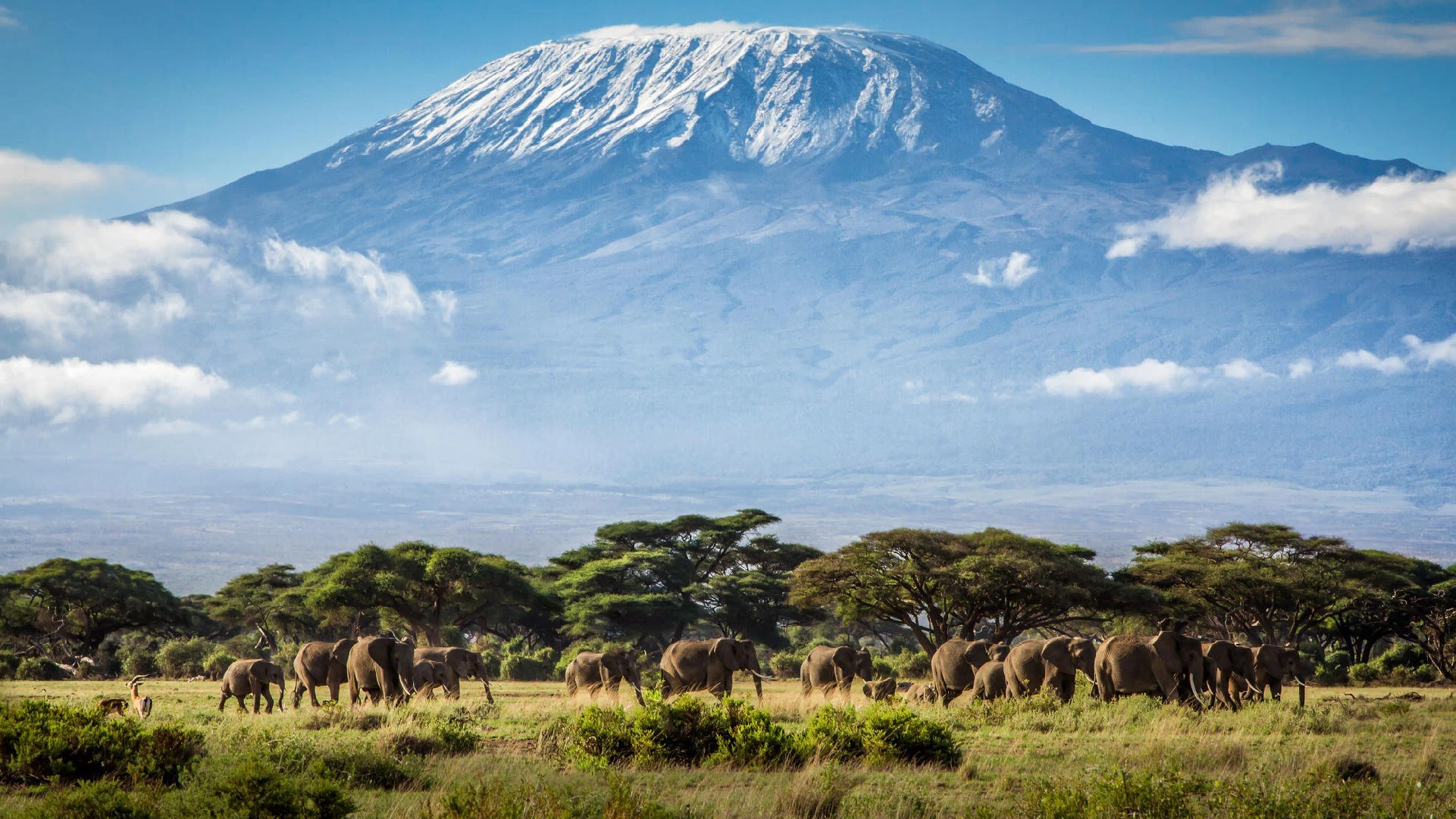
Tanzania is home to some of Africa’s most extraordinary volcanic landscapes, shaped by powerful geological forces over millions of years. Located along the East African Rift Valley, the country sits on one of the most active tectonic zones on Earth, where the African continent is slowly splitting into two plates—the Nubian and Somali plates. As these plates pull apart, magma rises from deep within the Earth’s mantle, forming volcanoes that have shaped Tanzania’s dramatic terrain.
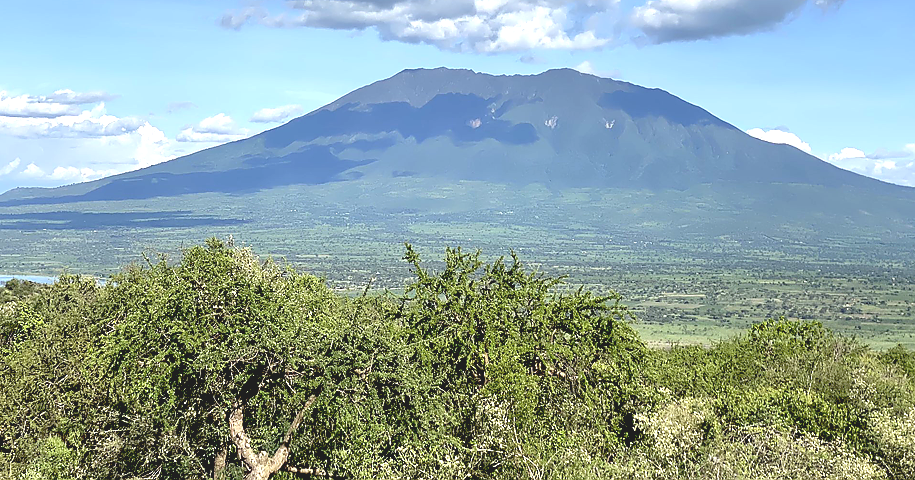
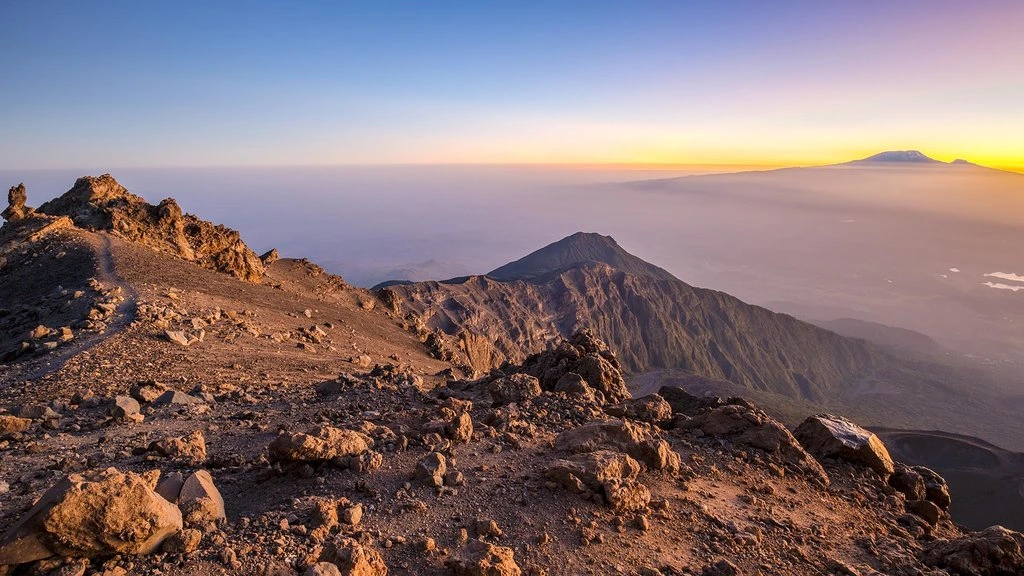
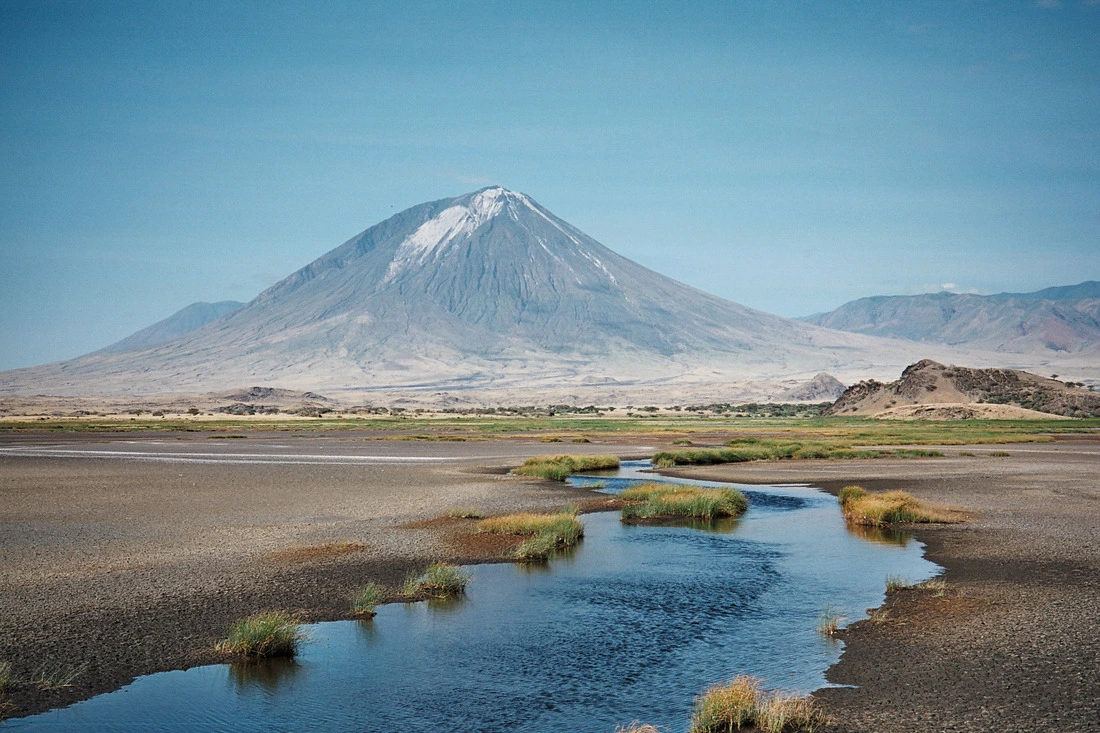
This process has given rise to some of the most iconic mountains in Africa, including Mount Kilimanjaro, Mount Meru, and the active Ol Doinyo Lengai. These volcanic formations vary in activity—some are extinct, others dormant, and a few remain active—offering a unique glimpse into the Earth's geological evolution.
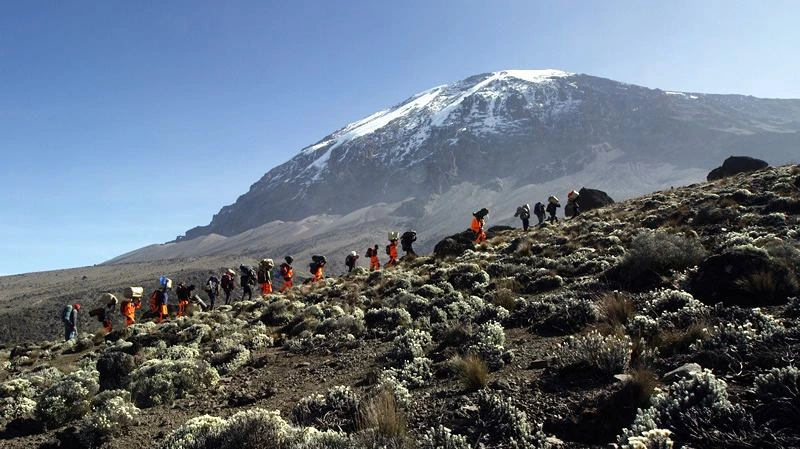
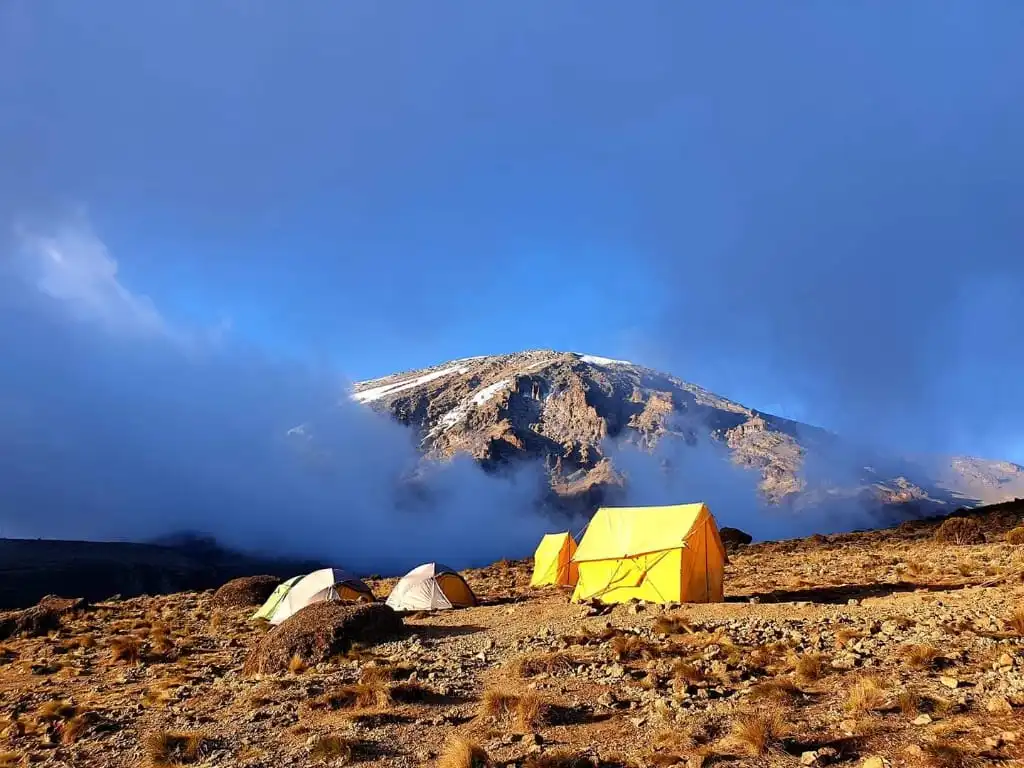
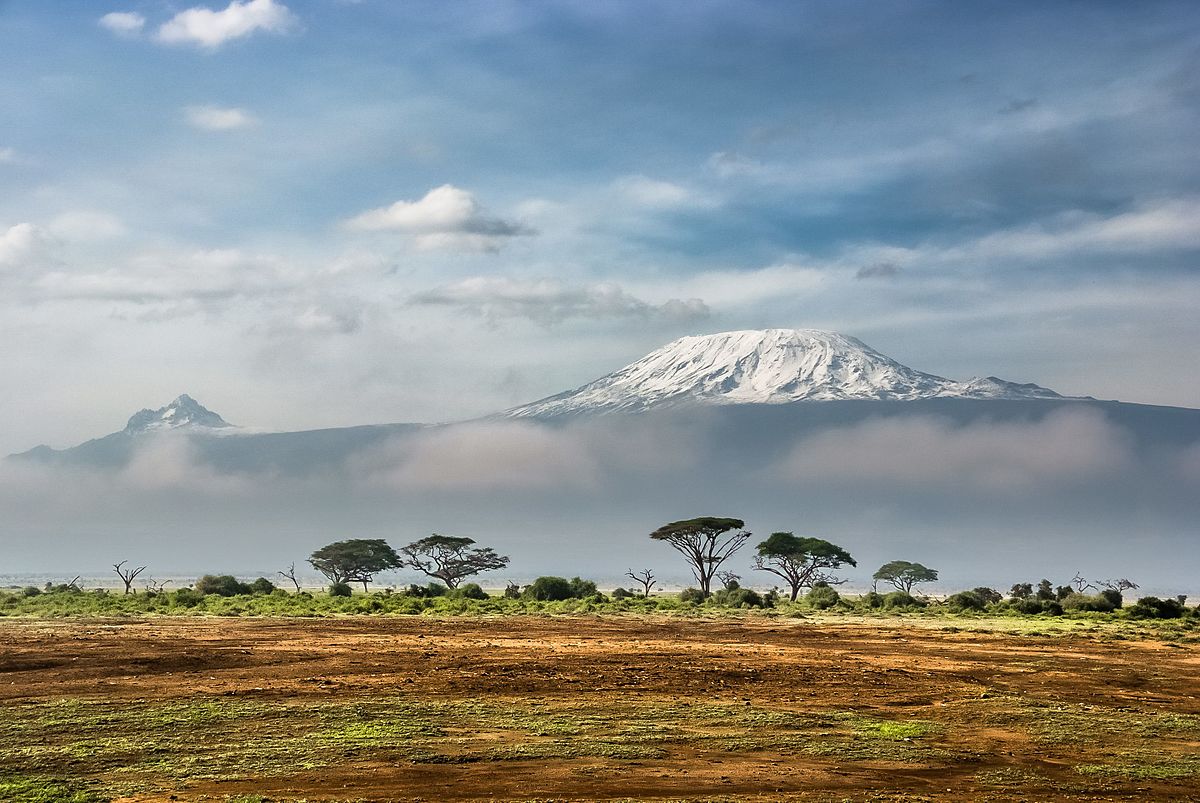
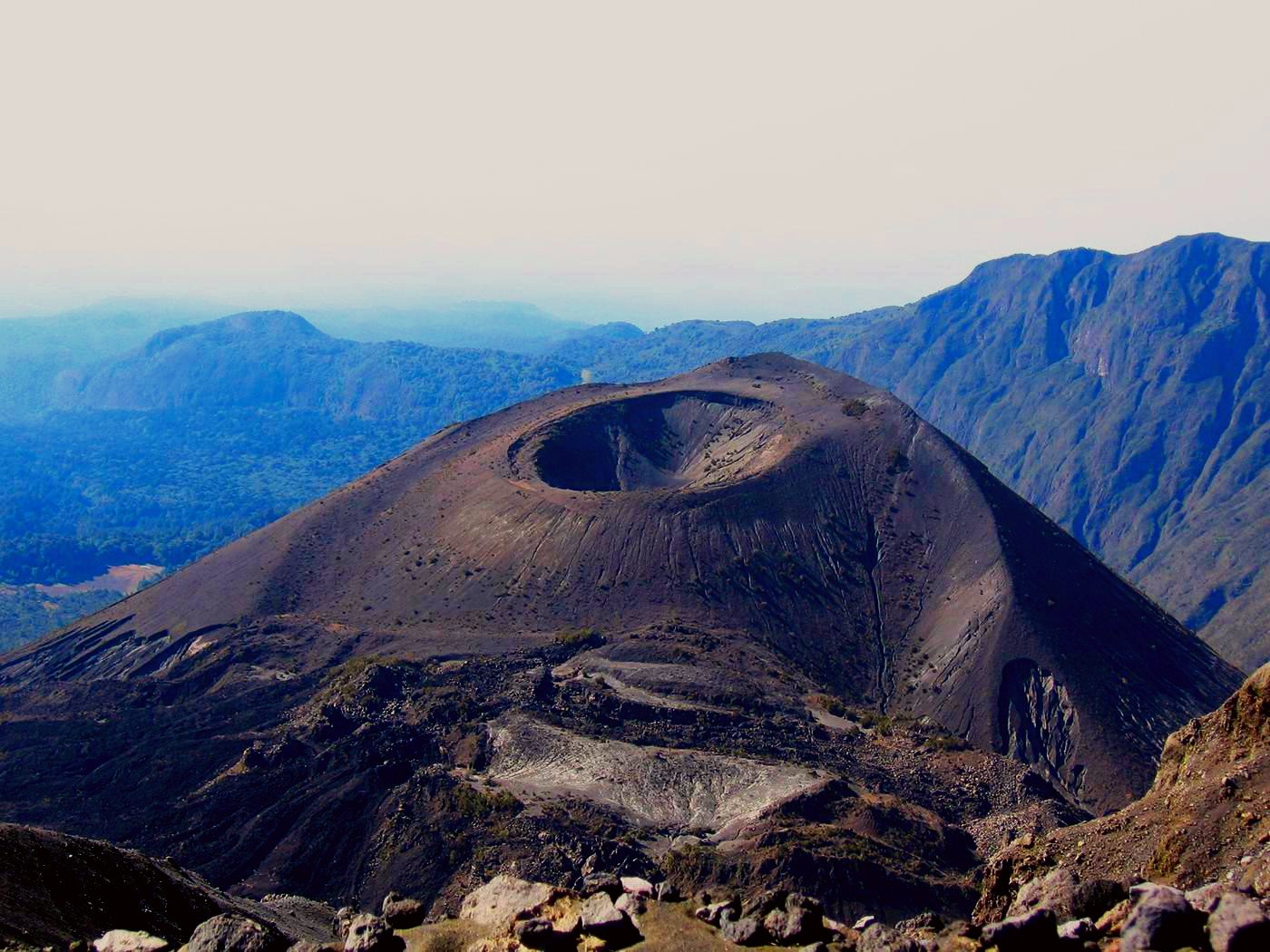
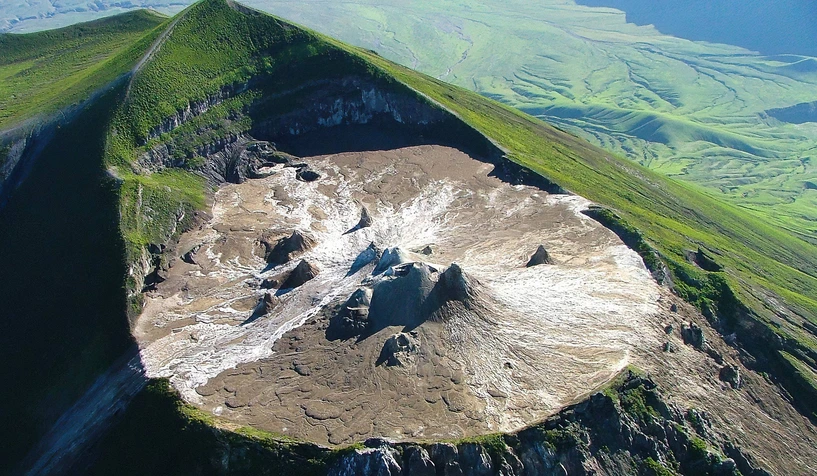
The formation of these mountains began millions of years ago through repeated volcanic eruptions, lava flows, and collapses that created peaks, craters, and calderas. For example, Kilimanjaro itself is a massive stratovolcano composed of three cones—Kibo, Mawenzi, and Shira—while Mount Meru’s dramatic crater was formed by a powerful eruption that reshaped its summit. Meanwhile, Ol Doinyo Lengai continues to erupt today, producing rare natrocarbonatite lava unlike any other volcano in the world.
Beyond their geological significance, Tanzania’s volcanic mountains play a vital role in shaping the country’s ecosystems. The nutrient-rich volcanic soils support dense forests, grasslands, and diverse wildlife habitats, making these regions not only scenic but also biologically rich.
These mountains are also central to Tanzania’s tourism industry. Every year, thousands of travelers visit to experience guided Kilimanjaro climbing tours, while others explore the surrounding landscapes through unforgettable Tanzania safari experiences.
In this guide, we explore the formation of Tanzania’s volcanic mountains, highlight the most important peaks, and explain why these natural wonders continue to attract adventurers, scientists, and nature lovers from around the world.
.webp)