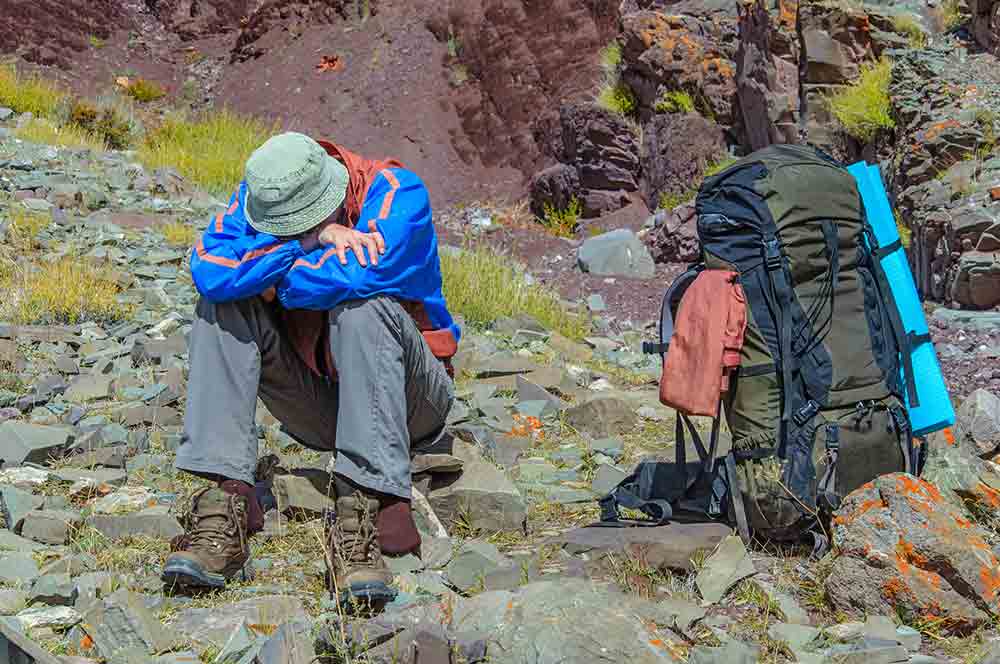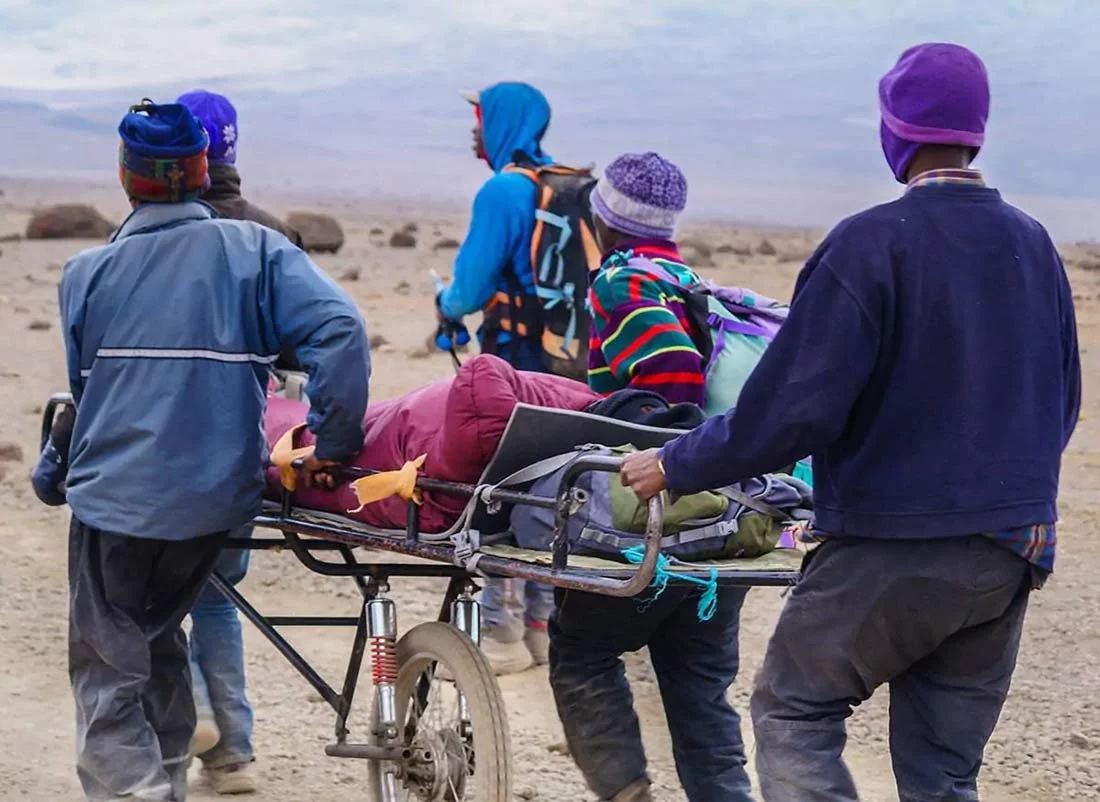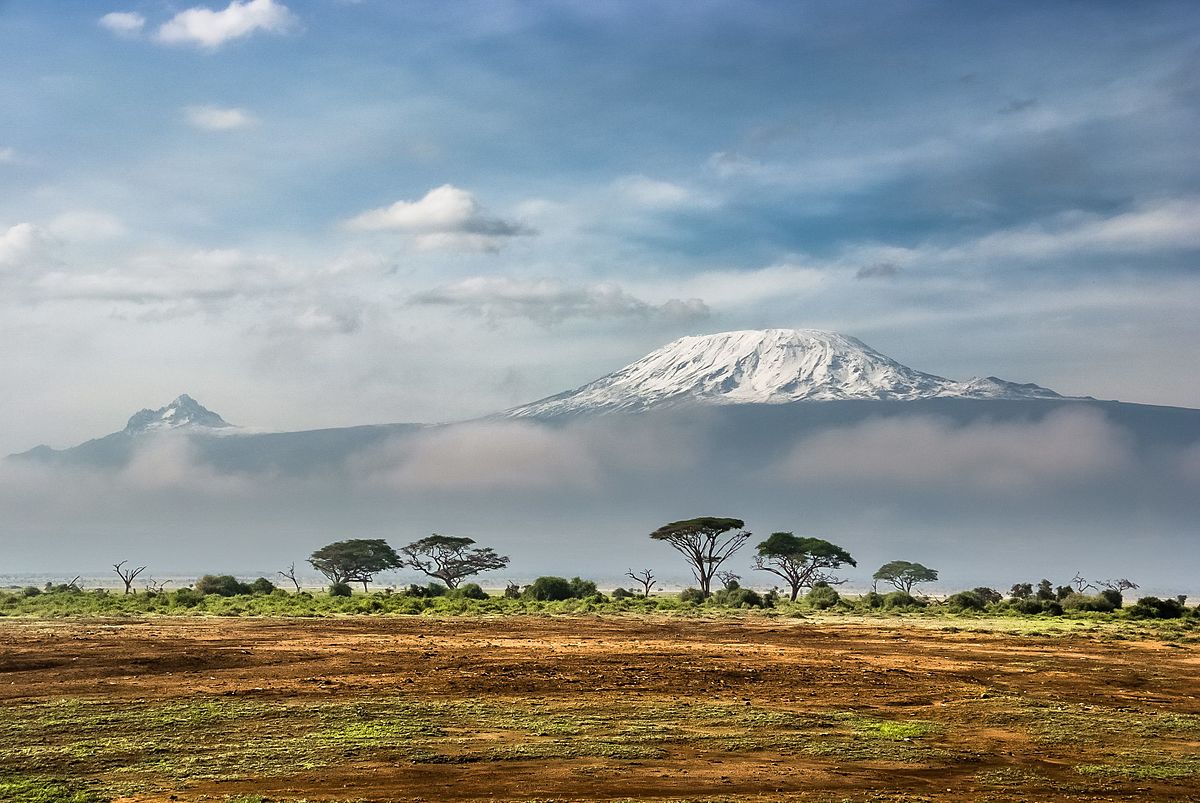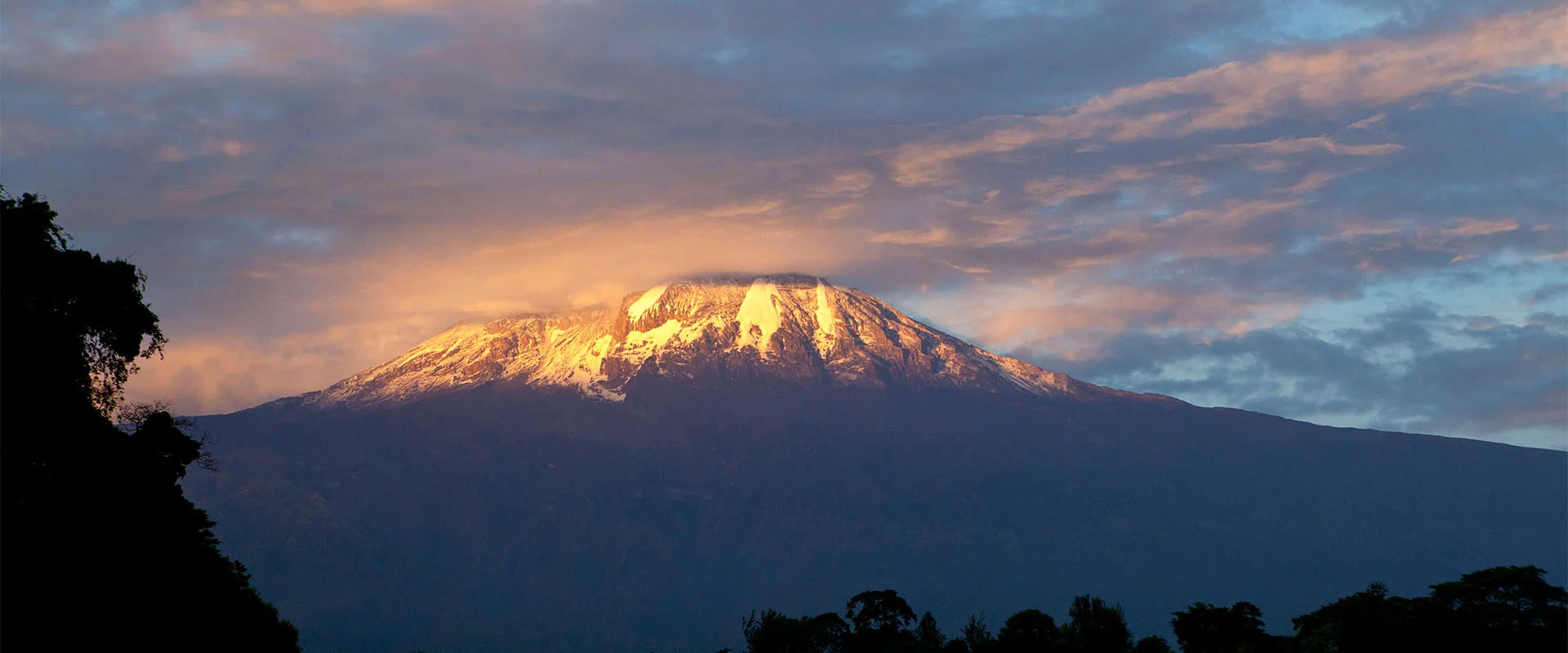
Altitude sickness is one of the most important factors that determines whether climbers successfully reach the summit of Mount Kilimanjaro. Unlike technical climbing challenges, the real difficulty of Kilimanjaro lies in how well your body adapts to increasing altitude and reduced oxygen levels.
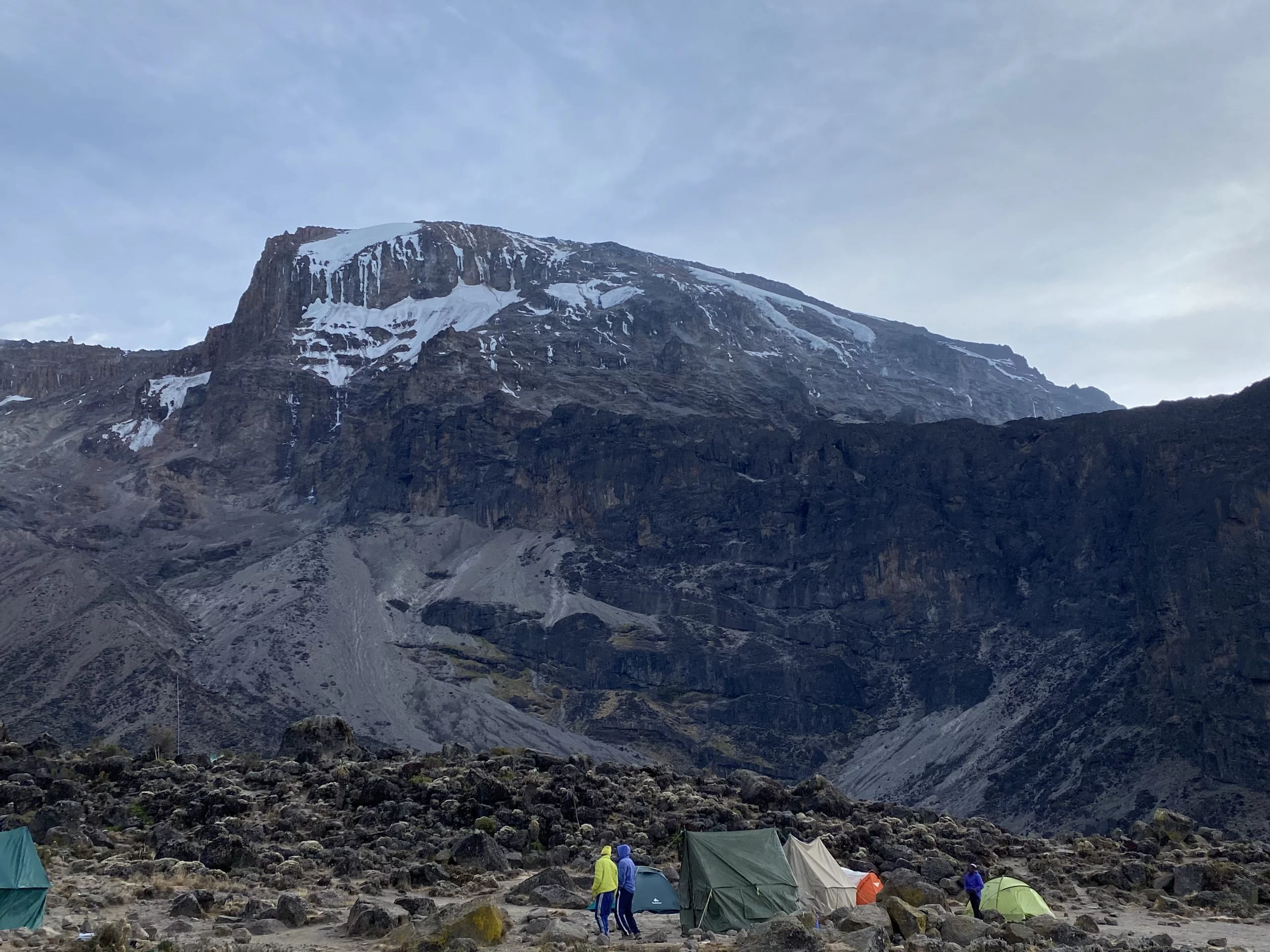
As you ascend the mountain, the air becomes thinner, meaning each breath delivers less oxygen to your body. This change can begin to affect climbers from as low as 2,500 meters (8,200 feet), and becomes more pronounced at higher elevations—especially near the summit at Uhuru Peak (5,895 meters). Without proper acclimatization, the body struggles to adjust, leading to altitude sickness.
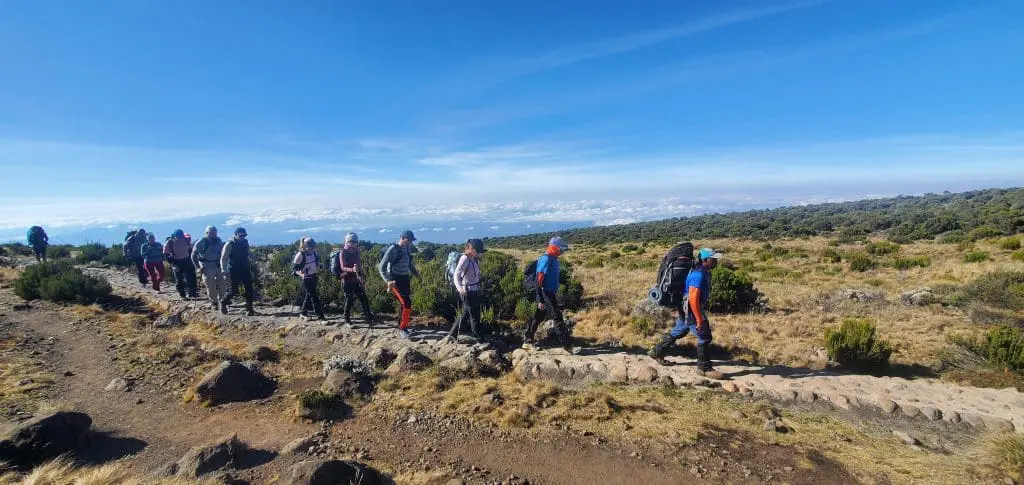
Kilimanjaro is unique because of its relatively fast ascent profile. Most trekking itineraries range between 5 to 9 days, which means climbers gain altitude quickly compared to other high mountains. This rapid gain significantly increases the risk of altitude-related symptoms, even for physically fit individuals.
Understanding altitude sickness—its symptoms, causes, and prevention—is essential for anyone planning to climb Kilimanjaro. With the right preparation, proper pacing, and guidance from experienced Kilimanjaro climbing tours, most climbers can safely acclimatize and greatly improve their chances of reaching the summit.
Many travelers combine their climb with a Tanzania safari, making it even more important to stay healthy and complete the trek successfully. By understanding how altitude affects your body, you can turn a challenging climb into a safe and unforgettable adventure.