Ruaha National Park
National Parks Tanzania Reply in 24h

Ruaha National Park – Tanzania’s Wild & Untouched Safari Destination

Ruaha National Park is Tanzania’s largest wilderness park after Nyerere, known for predators, elephants, and remote safaris.

Southern Tanzania
Tanzania
Trusted local operator

Ruaha National Park Overview

Part of our National Parks guide.

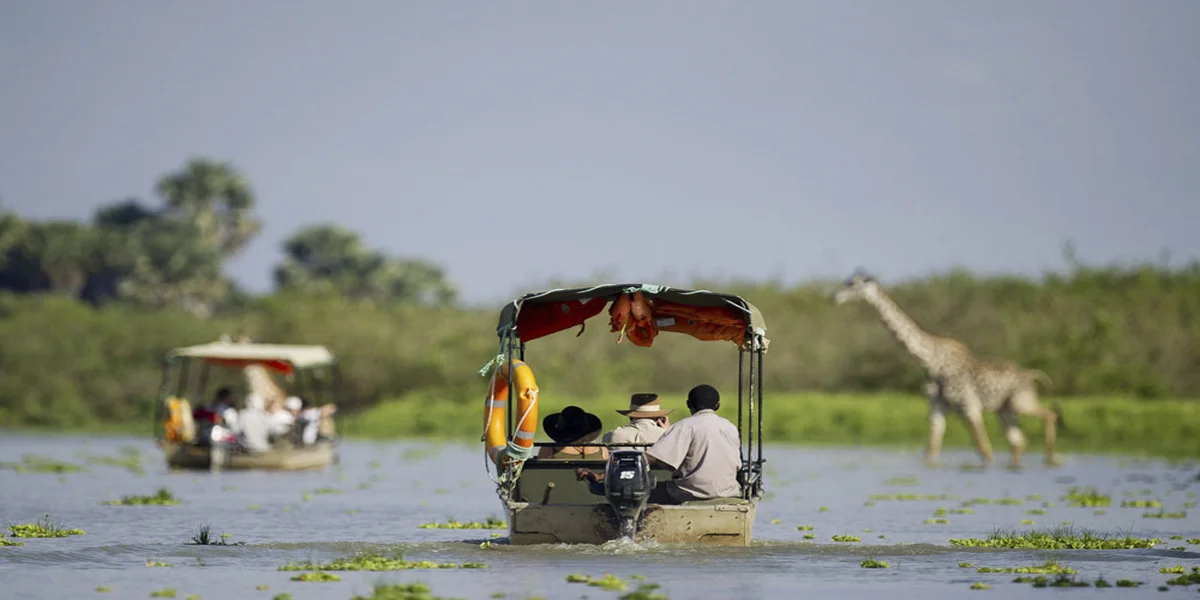
Ruaha National Park is one of the most wild, remote, and untouched safari destinations in Tanzania, located in the heart of southern Tanzania. As the largest national park in Tanzania after Nyerere National Park, Ruaha offers vast, rugged landscapes shaped by the Great Ruaha River.

Unlike the more visited northern parks such as Serengeti National Park, Ruaha provides a truly off-the-beaten-path safari experience, with fewer vehicles, untouched wilderness, and a strong sense of isolation.

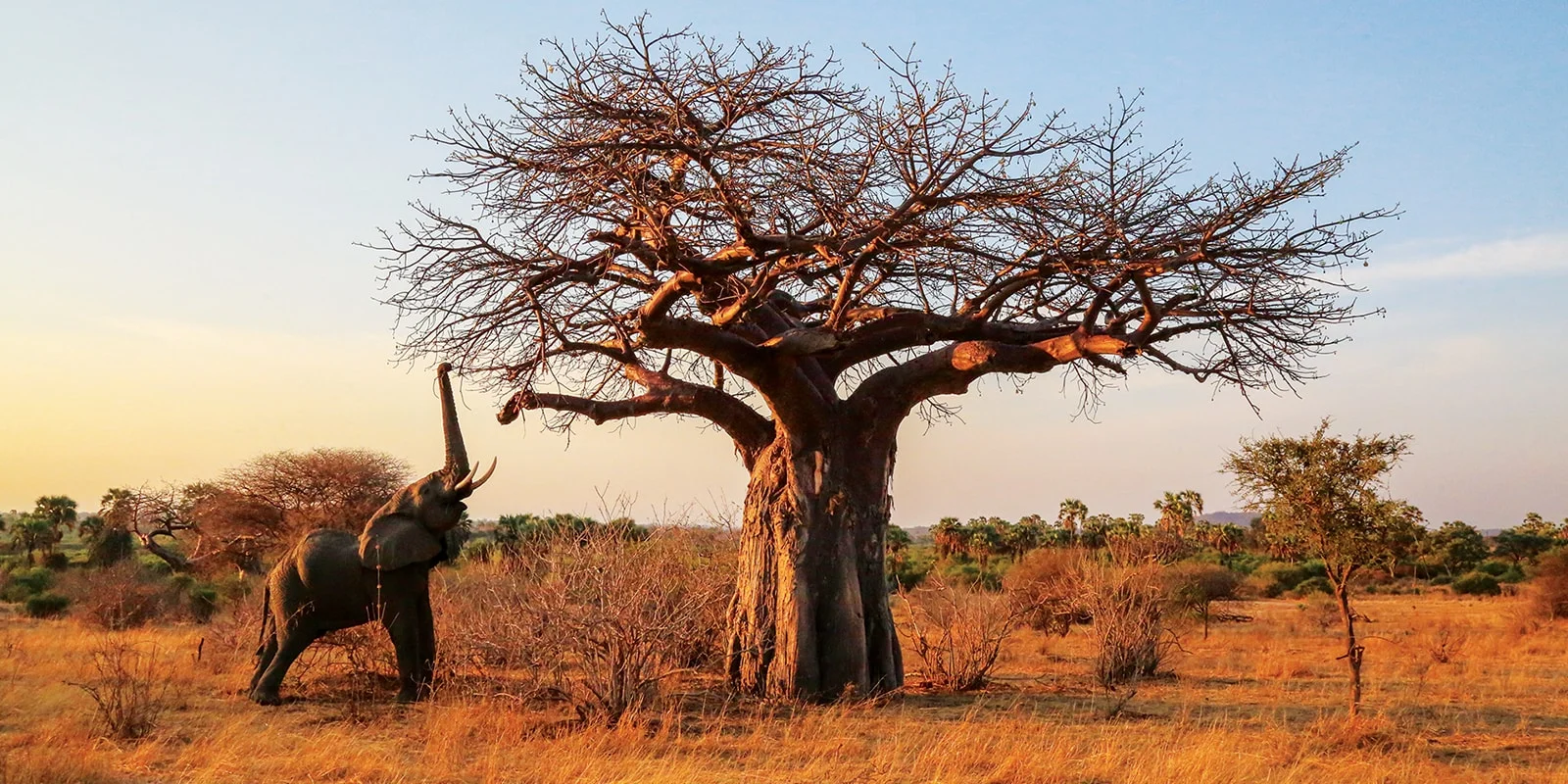
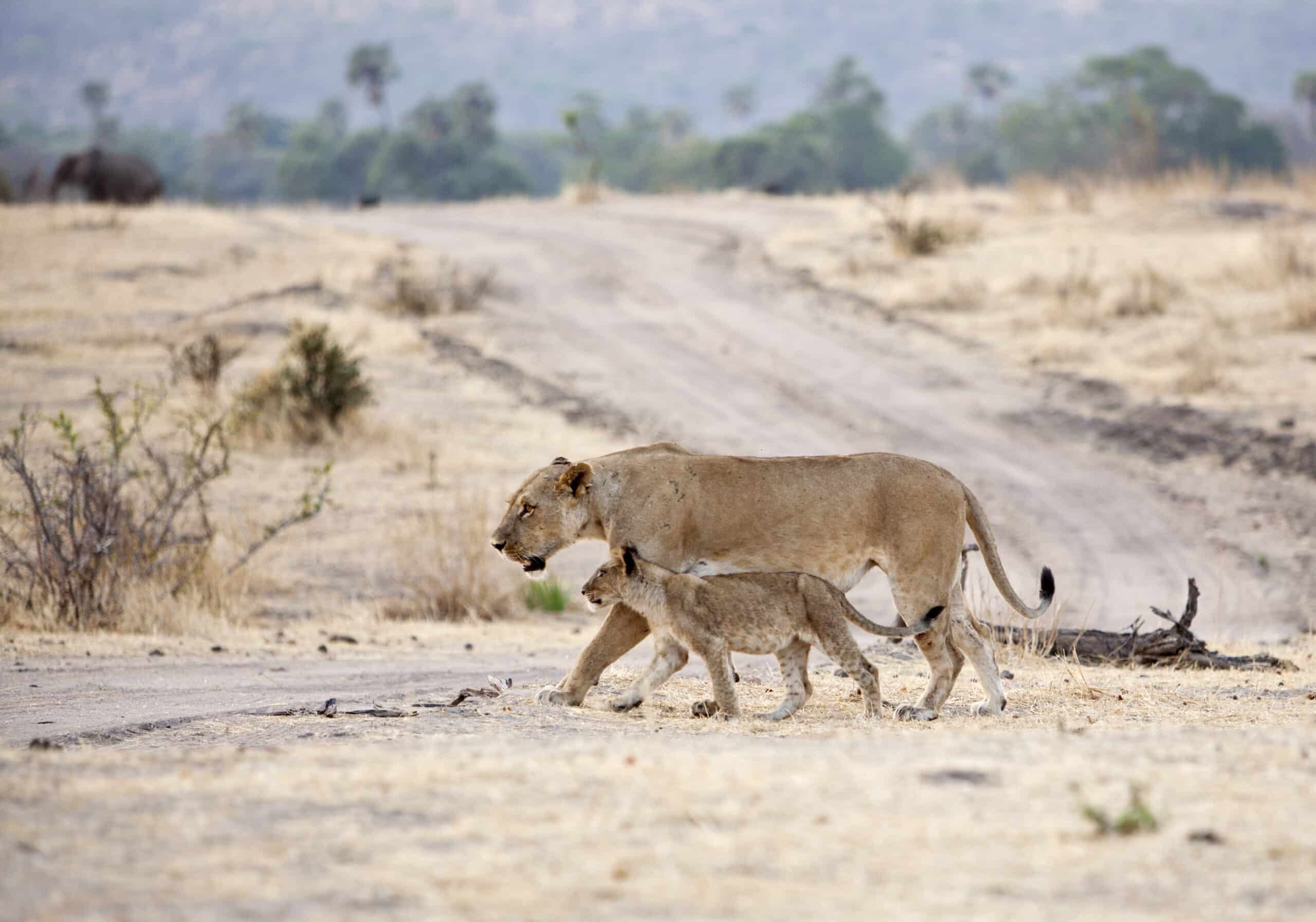
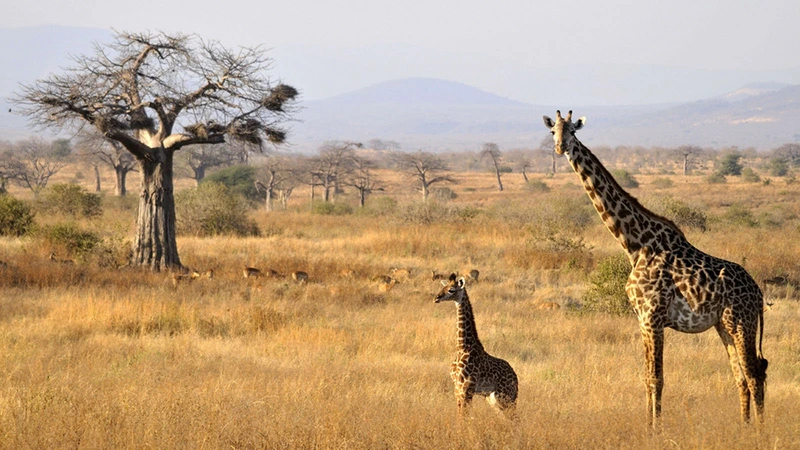
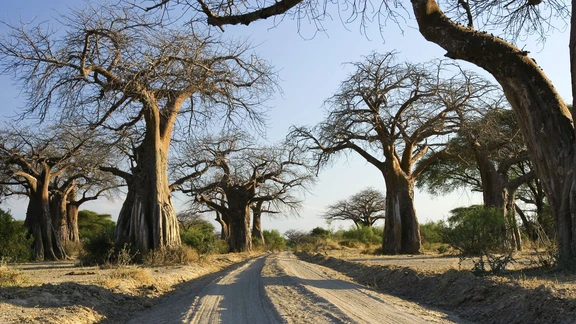
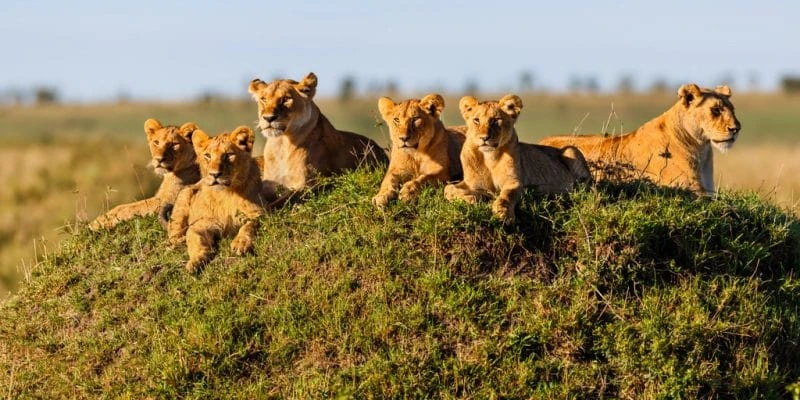
Ruaha is especially famous for its large predator populations, including lions, leopards, and cheetahs, as well as one of the biggest elephant populations in East Africa. The park’s iconic baobab trees, dry riverbeds, and dramatic scenery create a unique safari atmosphere.

This park is ideal for travelers seeking an authentic Tanzania safari experience ,and it pairs perfectly with destinations like Nyerere National Park or a relaxing escape in Zanzibar.

Quick Information

Location: Southern Tanzania

Country / Destination: Tanzania

Location Map
Back to Where to Go

Wildlife & Safari Experience in Ruaha National Park
Wildlife & Safari Experience in Ruaha National Park - Ruaha National Park

Ruaha National Park is best understood slowly. The first impression may be the landscape, but the real safari begins when the guide starts reading tracks, wind, water and animal behaviour.

In Ruaha, the strongest moments often come when the vehicle waits rather than rushes. A herd changing direction, birds calling from a thicket or fresh tracks on a sandy road can tell the guide where to spend time.

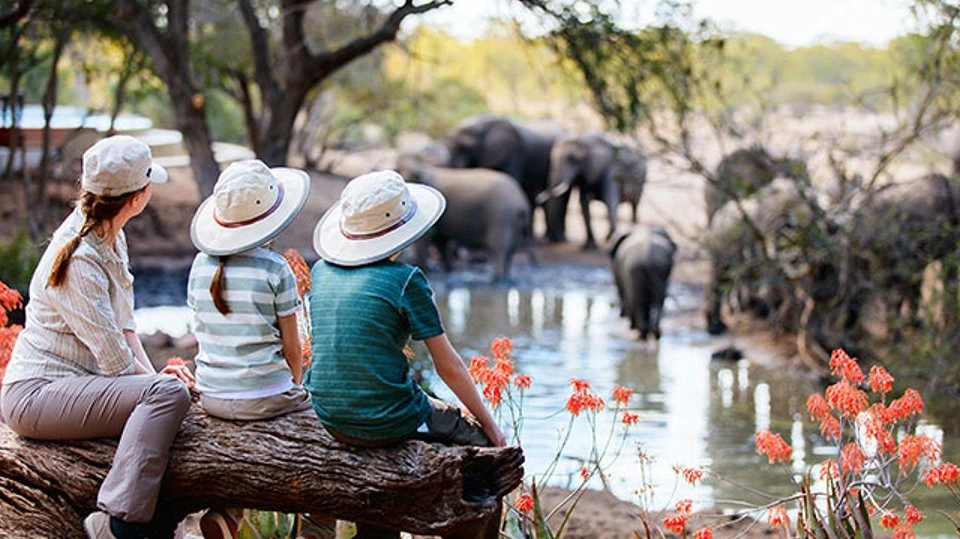
Elephants, lions, wild dogs, diverse antelope and fewer vehicles than the northern circuit are the main reason many travellers include Ruaha, but sightings still depend on season, patience and the guide’s local decisions.

The best game drive or nature experience here usually has a rhythm: start early, read the conditions, spend time where the signs are good, and avoid chasing every report from another vehicle. That is how Ruaha begins to feel real rather than rushed.
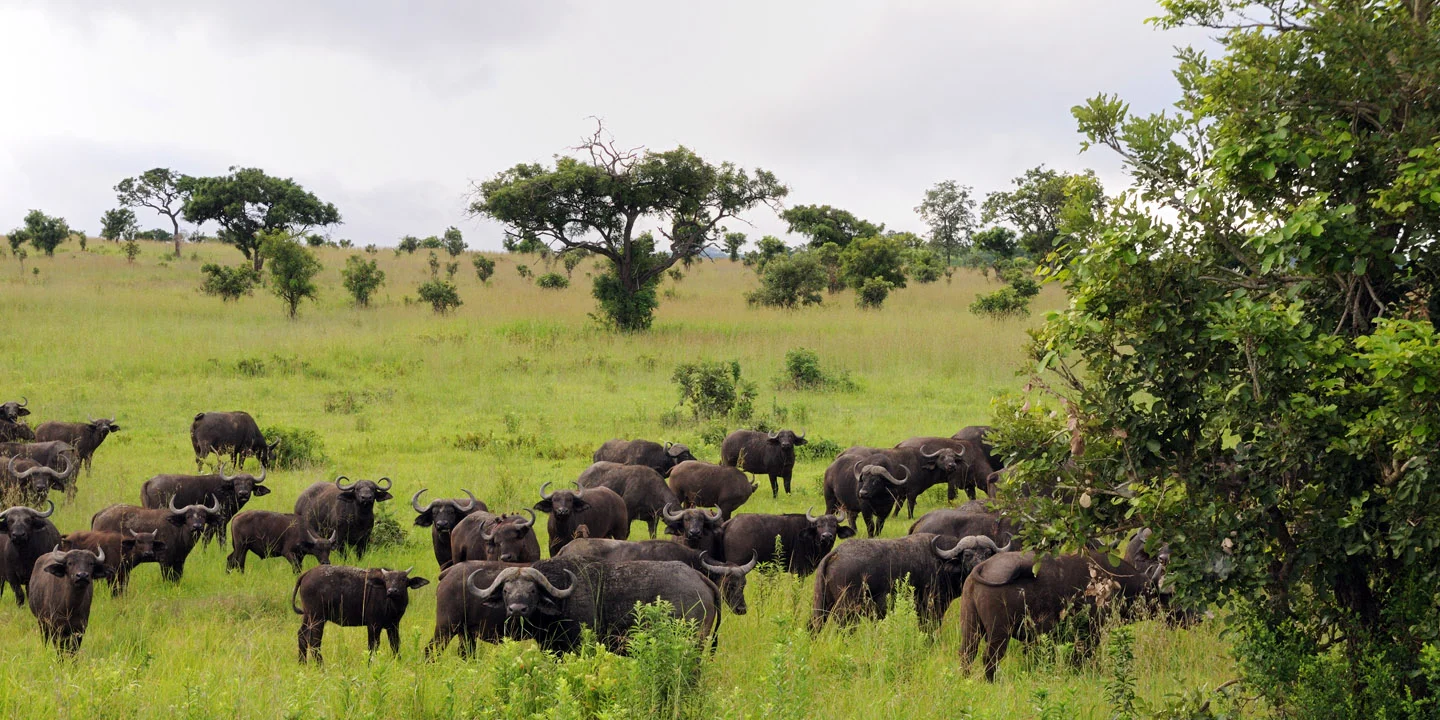
Accommodation in Ruaha National Park

Accommodation in Ruaha should support the itinerary, not fight against it. A beautiful property can still be the wrong choice if it adds unnecessary transfer time or sits far from the main experience area.

When planning Ruaha, location and daily rhythm come first, and then we look at location and daily rhythm, before comparing comfort level, service style and budget.

Accommodation styleTypical location or examplePlanning rangeBest suited to
Luxury lodge or campPremium properties in or near Ruaha National ParkHigher nightly rates, usually chosen for location, guiding and comfortHoneymoons, private safaris and travellers prioritising service
Mid-range tented camp or lodgeComfortable camps and lodges serving the main Ruaha routeBalanced pricing depending on season and room categoryMost private safaris where comfort and value both matter
Budget camp or simple lodgeBasic accommodation near access roads or park gatesLower rates with simpler facilitiesShort safaris and travellers who prefer to spend more on experiences than rooms

For Ruaha, the best accommodation is usually the one that protects time in the destination. A slightly simpler property in the right location can create a better trip than a luxurious property that forces long transfers at the start and end of the day.

Park Fees in Ruaha National Park

Ruaha National Park fees are now shown as specific planning figures rather than a generic estimate. For travellers, the important point is that the entry fee is only one part of the final safari cost; vehicle, guide, accommodation, concession, camping or activity charges may also apply depending on the itinerary.

Visitor or charge categoryCurrent planning feeApplies toOreteti planning note
Non-resident adultUS$35.40Per person, adult park conservation feeRemote logistics and flights often affect the final safari price more than the entry fee alone.
Non-resident childUS$11.80Children aged 5–15 yearsChildren below 5 years enter free under the TANAPA visitor rules.
East African citizen adultTZS 11,800Per person, adult visitor categoryValid identification or passport should be presented for the correct category.
Tanzania resident / expatriate adultTZS 5,900Per person, adult resident categoryResidence or work permit documents are required when using resident rates.

When quoting Ruaha National Park, we calculate the fee from the exact number of nights and the route. This matters because a guest entering for one day, a guest sleeping inside the park and a guest adding a special campsite or activity can all have different final cost structures.

How to Get to Ruaha National Park

Getting to Ruaha should be planned together with the destinations before and after it. The best route is not always the shortest line on a map.

In practice, transfer timing, road condition, flight schedules and where the guest sleeps the night before all affect how comfortable the day feels.

Best reached by scheduled or charter flight, though road routes are possible with enough time. For Ruaha, we also check arrival time carefully because a late arrival can make the next day feel rushed.

A practical route gives the guest time to arrive, settle and enjoy the destination without treating every transfer as a race. This is especially important when Ruaha is combined with safari, beach or mountain days.

When & Why to Visit Ruaha National Park

The best time to visit Ruaha depends on what the traveller wants the trip to feel like. Weather, scenery, visitor numbers and activity conditions can change the experience.

Dry season often concentrates wildlife around river areas. A good itinerary chooses the season for a reason rather than copying the same month for every guest.

Travel periodTypical conditionsBest suited toLocal planning note
June–OctoberDrier conditions and easier wildlife visibilityFirst-time safari guests and classic game viewingBook key lodges early and avoid rushing long drives
November–MarchGreener scenery, young animals in some areas and good birdlifePhotographers and travellers who enjoy softer lightExpect more variation in weather and wildlife movement
April–MayQuieter travel period with more rain in many areasFlexible travellers and value-focused itinerariesSome roads or camps may be affected by rain

For Ruaha, the best season is the one that matches the guest’s priority. Some travellers want easy wildlife visibility, some want fewer people, and others care most about photography, walking conditions or a relaxed pace.

Planning Your Visit to Ruaha

A good visit to Ruaha starts with the wider route. The destination should fit naturally with the nights before and after it.

Ruaha is for travellers who enjoy space; sightings feel earned, and that is part of the charm. This is why the pace should be planned first, then add accommodation, transfers and activities around that rhythm.

For most travellers, the ideal stay depends on the surrounding itinerary. A short visit can work when Ruaha connects naturally with nearby stops, while more time is valuable for photographers, families and travellers who prefer flexibility.

Packing should match the activity and climate. Comfortable layers, practical footwear, sun protection, a reusable water bottle and a little patience with local conditions usually matter more than carrying too much.

Planning Guides

Helpful reads for Ruaha National Park

Gaudence Mathew

Gaudence Mathew

Online

Interested in visiting Ruaha National Park?

Reach out today - our team will get back to you within 24 hours.