Mount Meru
Mountains & Highlands Tanzania Reply in 24h

Mount Meru – Tanzania’s Hidden Trekking Gem

Explore Mount Meru in Tanzania – routes, climbing costs, wildlife, and best time to visit. A scenic and less crowded trek ideal before climbing Kilimanjaro.

Northern Tanzania
Tanzania
Trusted local operator

Mount Meru Overview

Part of our Mountains & Highlands guide.

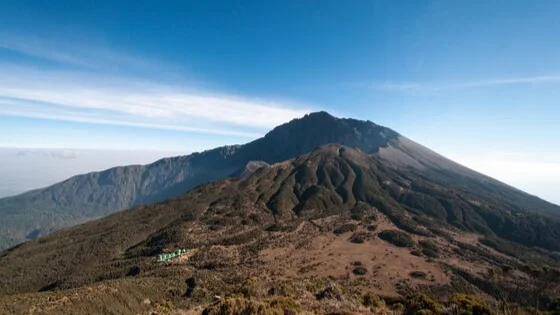
Mount Meru is located in northern Tanzania within Arusha National Park, and rises to 4,566 meters (14,980 feet), making it the second highest mountain in Tanzania. Often overlooked in favor of nearby Mount Kilimanjaro, Mount Meru offers a more intimate, scenic, and adventurous trekking experience.

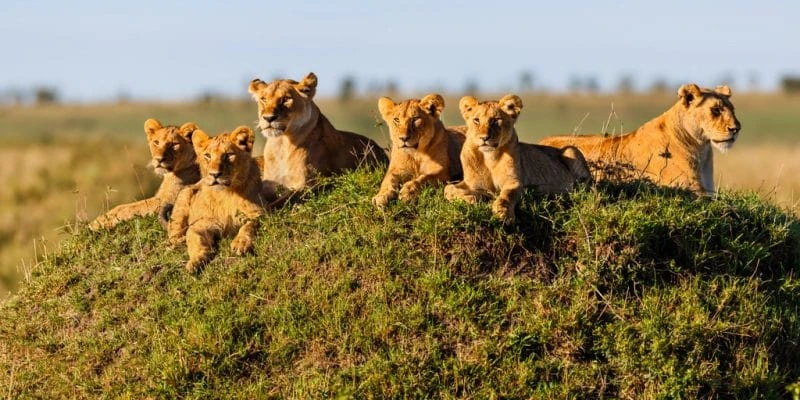
Unlike many trekking destinations, Mount Meru begins with a unique twist—the lower slopes pass through wildlife-rich forest, where trekkers may encounter giraffes, buffalo, monkeys, and a variety of birdlife. Because the mountain lies within a national park, all climbs are accompanied by an armed ranger, adding both safety and a true wilderness feel to the journey.

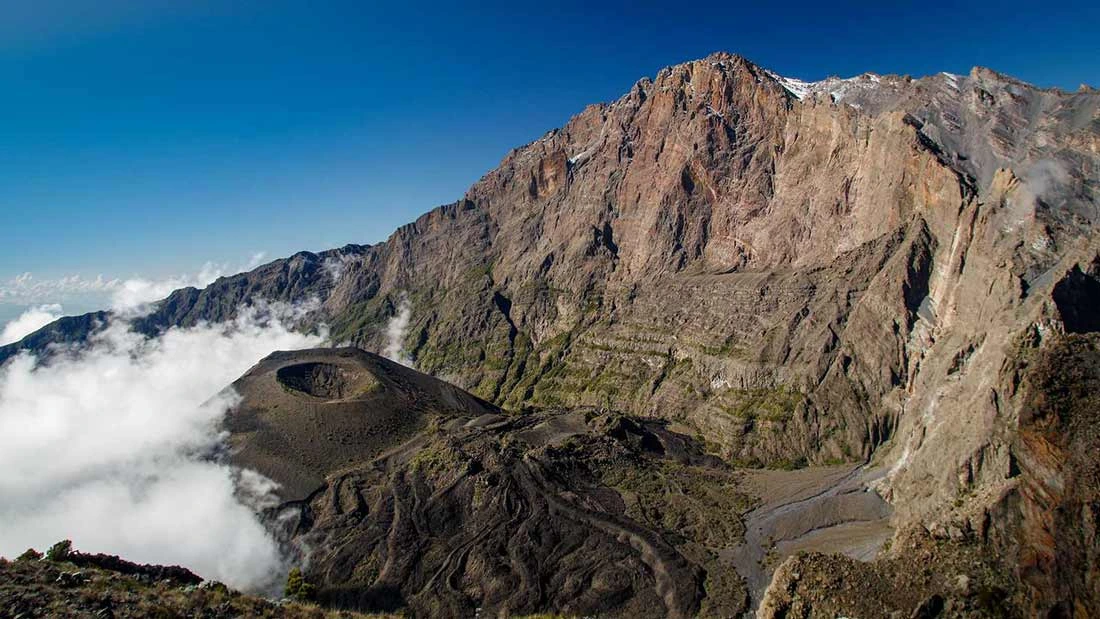
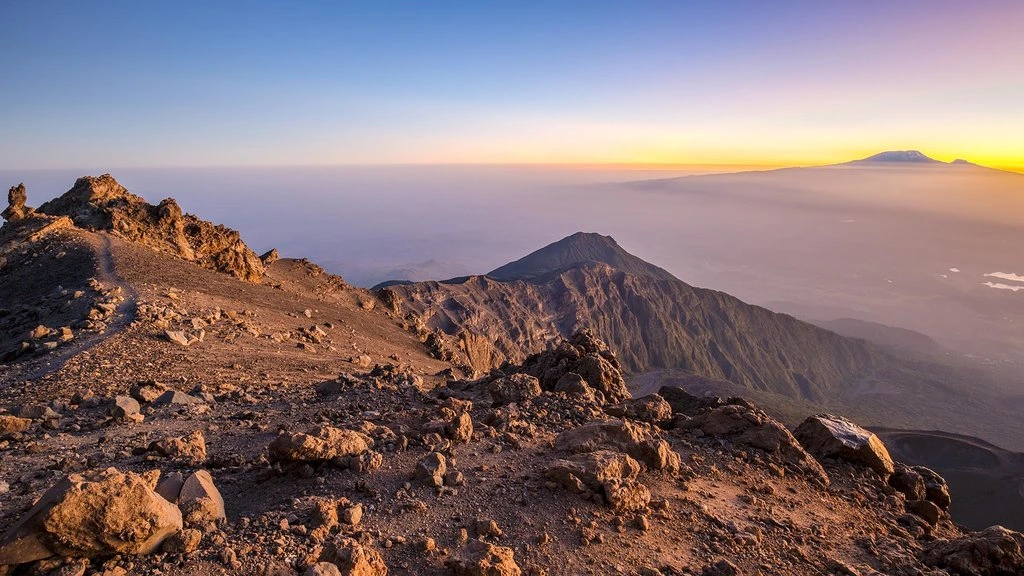
As you ascend, the landscape transforms dramatically. The trail winds through dense rainforest into open moorland, then climbs along a spectacular crater rim with breathtaking views of the Meru Crater, Ash Cone, and surrounding plains. On clear days, climbers are rewarded with unforgettable views of Mount Kilimanjaro rising in the distance.

Reaching the summit—Socialist Peak (4,566m)—is both physically demanding and incredibly rewarding, often involving an early morning ridge climb with dramatic drop-offs and sunrise views above the clouds. The experience is widely regarded as one of the most scenic treks in East Africa.

Mount Meru is also considered the best acclimatization climb for Kilimanjaro, helping trekkers adjust to altitude before attempting Africa’s highest peak. Many travelers combine the two mountains, followed by a Safari in Tanzania destinations like Serengeti National Park or a relaxing beach holiday in Zanzibar.

Whether you are preparing for Kilimanjaro or seeking a quieter, more scenic adventure, Mount Meru offers one of the most rewarding trekking experiences in Tanzania.

Quick Information

Location: Northern Tanzania

Country / Destination: Tanzania

Location Map
Back to Where to Go

Mount Meru Climbing Route

Mount Meru Climbing Route - Mount Meru

Route choice in Mount Meru affects much more than distance. It changes acclimatisation, scenery, daily effort and how the journey feels from start to finish.

A local guide usually looks at available days, fitness, previous altitude experience and comfort level before recommending the route.

Route styleTypical rhythmBest suited toLocal planning note
Shorter routeLower cost and fewer days, but less time for acclimatisationExperienced or time-limited trekkersShould not be chosen only because it is cheaper
Standard routeBalanced walking days and practical logisticsMost first-time trekkersUsually the safest planning base
Longer routeMore time on the mountain and a slower adjustment to altitudeTravellers prioritising success and comfortOften worth the extra day when the budget allows

On Mount Meru, the route should serve the body, not just the schedule. A slower pace can feel unnecessary on the first day, but it often becomes the reason the final days are manageable.
Cost of Climbing Mount Meru

Mount Meru is climbed inside Arusha National Park, so the base fee comes from the current Arusha National Park tariff. The final trek cost also includes ranger service, rescue cover, hut use where applicable, guide support, meals and transfers.

Official fee itemCurrent planning feeApplies toOreteti planning note
Arusha National Park conservation feeUS$53.10 adult / US$17.70 childNon-resident park entryThis is the park-entry component for Mount Meru.
East African citizen adult entryTZS 17,700Per person, adult visitor categoryValid identification is required.
Tanzania resident adult entryTZS 5,900Resident categoryPermit or residence documentation is required.
Ranger service for Mount MeruSeparate guide/ranger service feeRequired for the climbShould be included in a complete Meru quotation.
Rescue feeSeparate TANAPA rescue itemMount Meru and Kilimanjaro climbsImportant for safety planning.

Mount Meru is often used as acclimatisation before Kilimanjaro, but it should still be costed as a serious mountain climb rather than a simple day hike.

Accommodation on Mount Meru

Accommodation in Mount Meru should support the itinerary, not fight against it. A beautiful property can still be the wrong choice if it adds unnecessary transfer time or sits far from the main experience area.

When planning Mount Meru, location and daily rhythm come first, and then we look at location and daily rhythm, before comparing comfort level, service style and budget.

Accommodation styleTypical location or examplePlanning rangeBest suited to
Pre-climb hotelComfortable hotel in the main gateway town for Mount MeruVaries by comfort level and seasonGear checks, guide briefings and rest before the trek
Mountain accommodationCamping, huts or mountain lodges depending on the routeIncluded in the climb package in most organised treksClimbers who need a supported mountain rhythm
Post-climb hotelRecovery night after the descentUsually chosen for comfort and transfer convenienceA proper shower, meal and rest before safari or departure

For Mount Meru, the best accommodation is usually the one that protects time in the destination. A slightly simpler property in the right location can create a better trip than a luxurious property that forces long transfers at the start and end of the day.

How to Get to Mount Meru

Getting to Mount Meru should be planned together with the destinations before and after it. The best route is not always the shortest line on a map.

In practice, transfer timing, road condition, flight schedules and where the guest sleeps the night before all affect how comfortable the day feels.

Easily reached from Arusha and Kilimanjaro International Airport. For Mount Meru, we also check arrival time carefully because a late arrival can make the next day feel rushed.

A practical route gives the guest time to arrive, settle and enjoy the destination without treating every transfer as a race. This is especially important when Mount Meru is combined with safari, beach or mountain days.

Why Climb Mount Meru

Mount Meru is not only a place to tick off from an itinerary. The experience is strongest when the day has enough space for the destination to reveal itself naturally.

For Oreteti-style planning, the question is not how many activities can fit into the day, but which activities make sense with the season, the route and the traveller’s energy.

The main appeal of Mount Meru is wildlife on the lower slopes, strong acclimatisation value and dramatic views toward Kilimanjaro. That experience is strongest when guests have realistic expectations and are not moved too quickly from one stop to the next.

A good example is how we handle timing: if the light, tide, wildlife or local activity is better at a certain hour, the day should follow that rhythm. This is the difference between simply visiting Mount Meru and actually experiencing it.

When to Climb Mount Meru

The best time to visit Mount Meru depends on what the traveller wants the trip to feel like. Weather, scenery, visitor numbers and activity conditions can change the experience.

Dry months usually give easier trail conditions and clearer views. A good itinerary chooses the season for a reason rather than copying the same month for every guest.

Travel periodTypical conditionsBest suited toLocal planning note
January–MarchQuieter trails, clear periods and cold nightsTrekkers wanting fewer peopleGood gear remains important because altitude nights are cold
June–OctoberDrier conditions and stronger overall trekking weatherMost first-time climbersChoose enough days for acclimatisation
April–May and NovemberRainier or more mixed conditionsFlexible and experienced trekkersNot usually the easiest choice for a first trek

For Mount Meru, the best season is the one that matches the guest’s priority. Some travellers want easy wildlife visibility, some want fewer people, and others care most about photography, walking conditions or a relaxed pace.

Planning Your Visit to Mount Meru

A good visit to Mount Meru starts with the wider route. The destination should fit naturally with the nights before and after it.

Meru is not just a warm-up mountain; the summit approach is steep, beautiful and serious enough to deserve respect. This is why the pace should be planned first, then add accommodation, transfers and activities around that rhythm.

For most travellers, the ideal stay depends on the surrounding itinerary. A short visit can work when Mount Meru connects naturally with nearby stops, while more time is valuable for photographers, families and travellers who prefer flexibility.

Packing should match the activity and climate. Comfortable layers, practical footwear, sun protection, a reusable water bottle and a little patience with local conditions usually matter more than carrying too much.

Planning Guides

Helpful reads for Mount Meru

Gaudence Mathew

Gaudence Mathew

Online

Interested in visiting Mount Meru?

Reach out today - our team will get back to you within 24 hours.