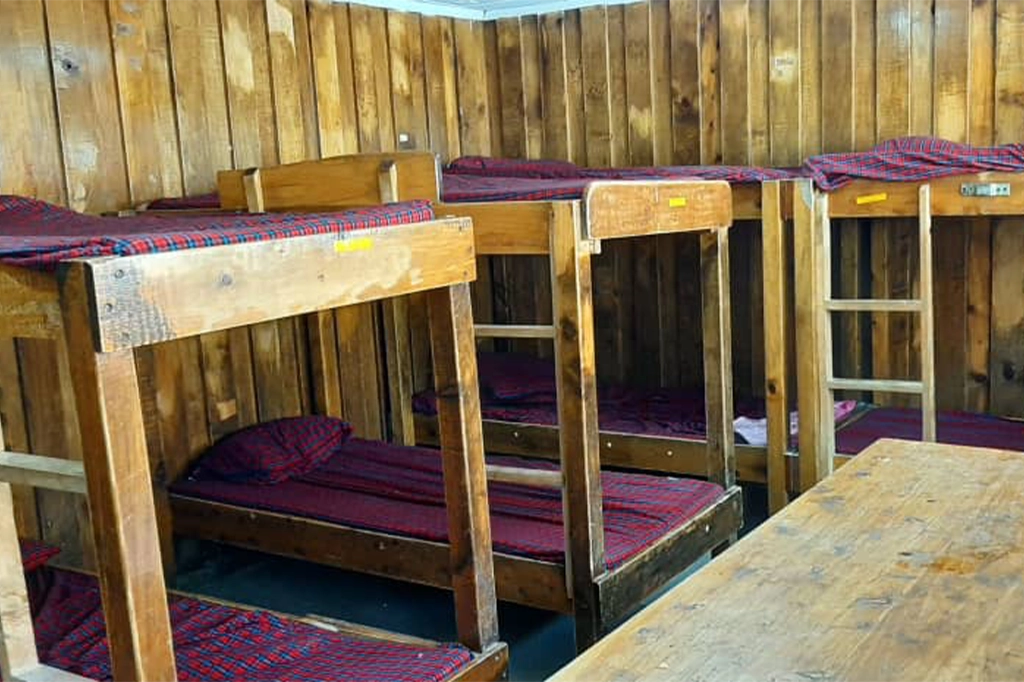
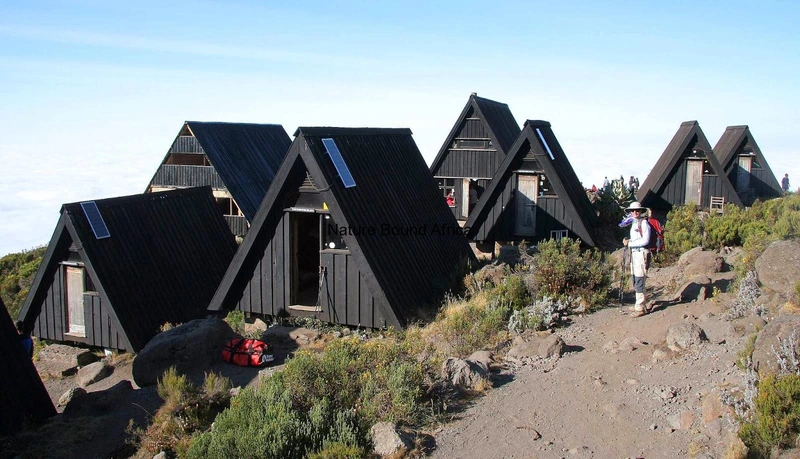
The Marangu Route on Mount Kilimanjaro is one of the most popular trekking paths to the summit, largely because it is the only route that offers hut accommodation instead of camping. This makes it an attractive option for climbers seeking a more structured and comfortable experience while ascending Africa’s highest mountain.
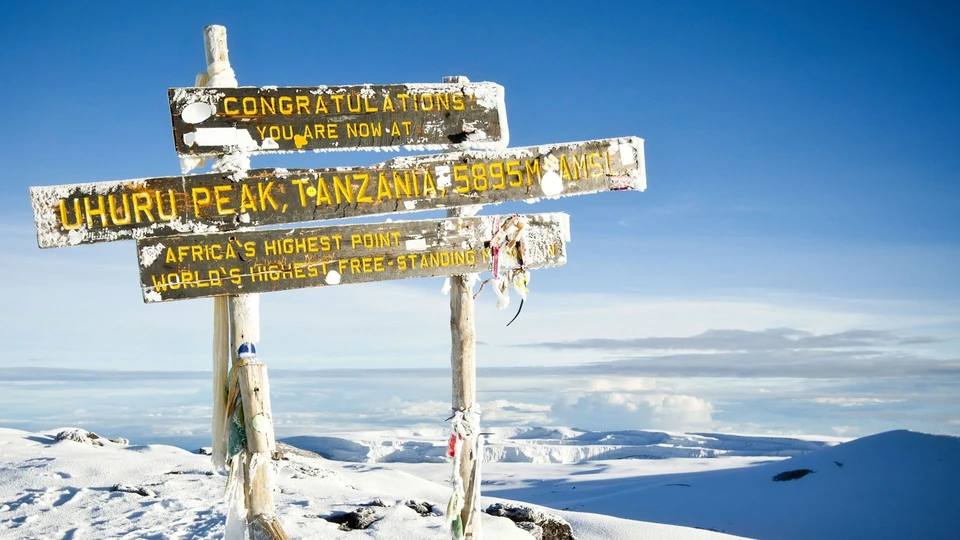
Along this route, two of the most important overnight stops are Mandara Hut and Horombo Hut. These huts are not just places to sleep—they play a critical role in the acclimatization process, helping climbers gradually adjust to increasing altitude while progressing toward Uhuru Peak.
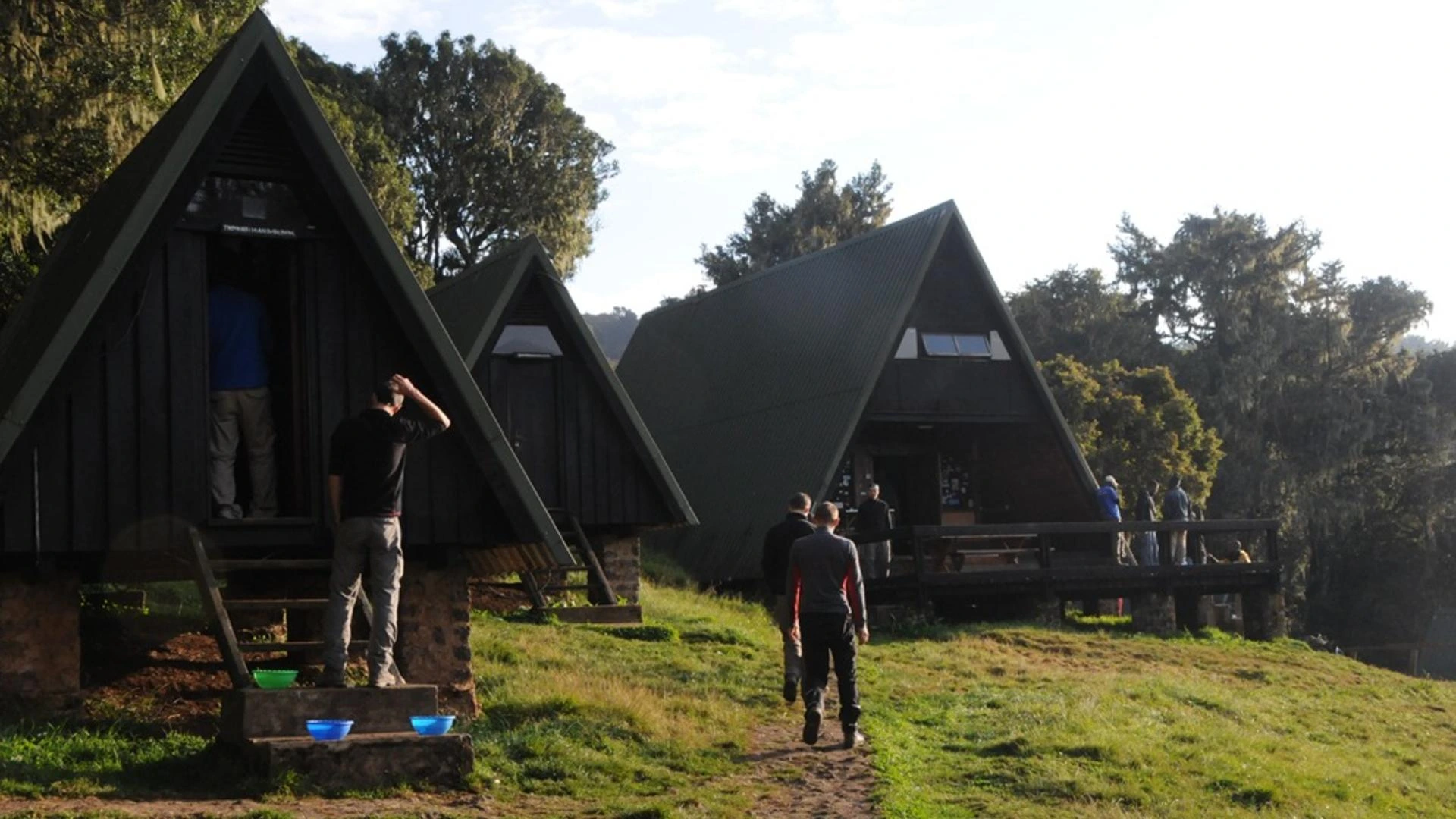
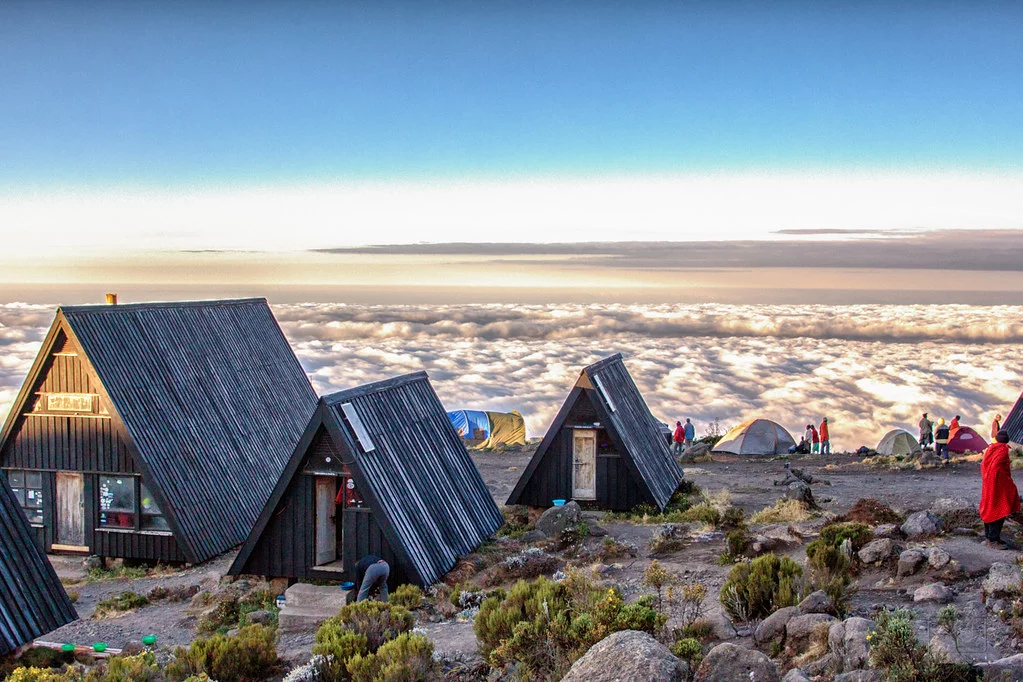
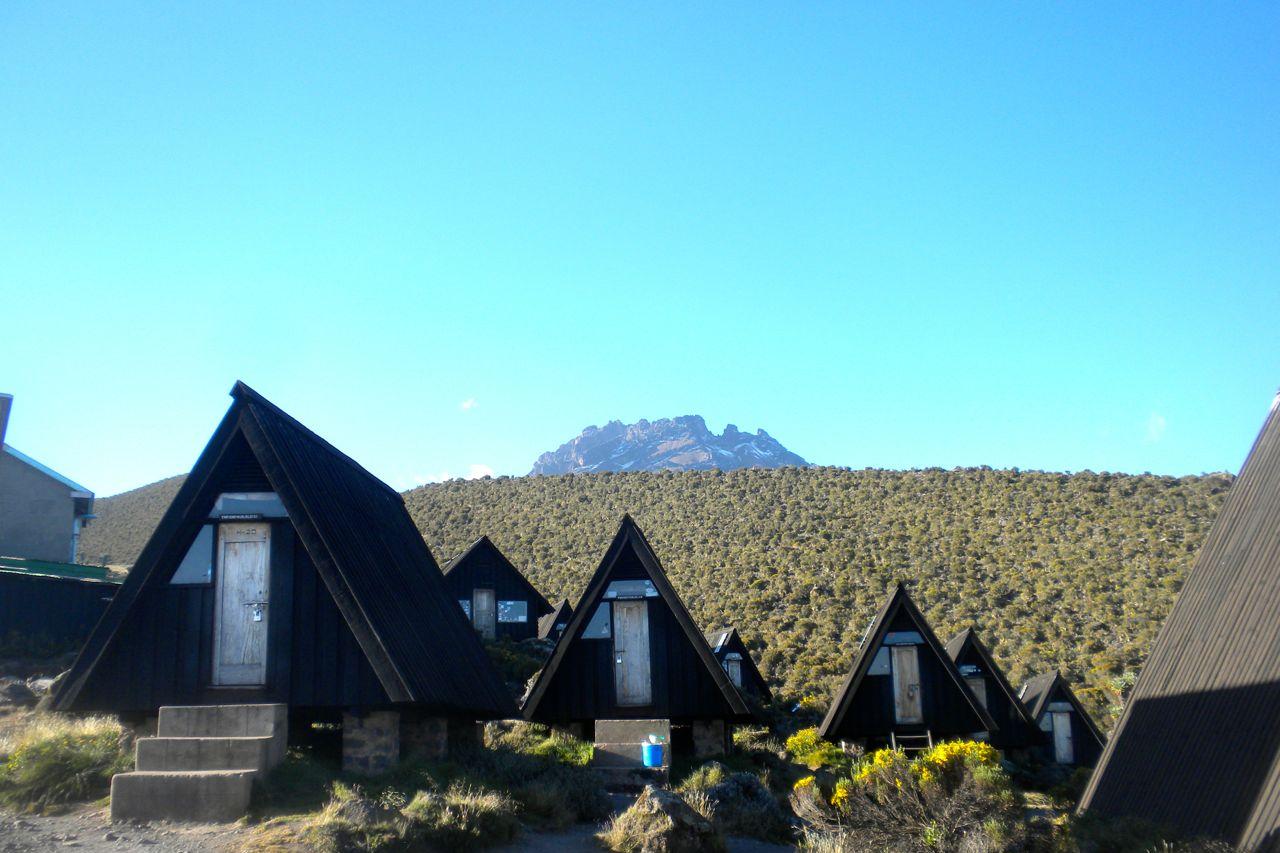
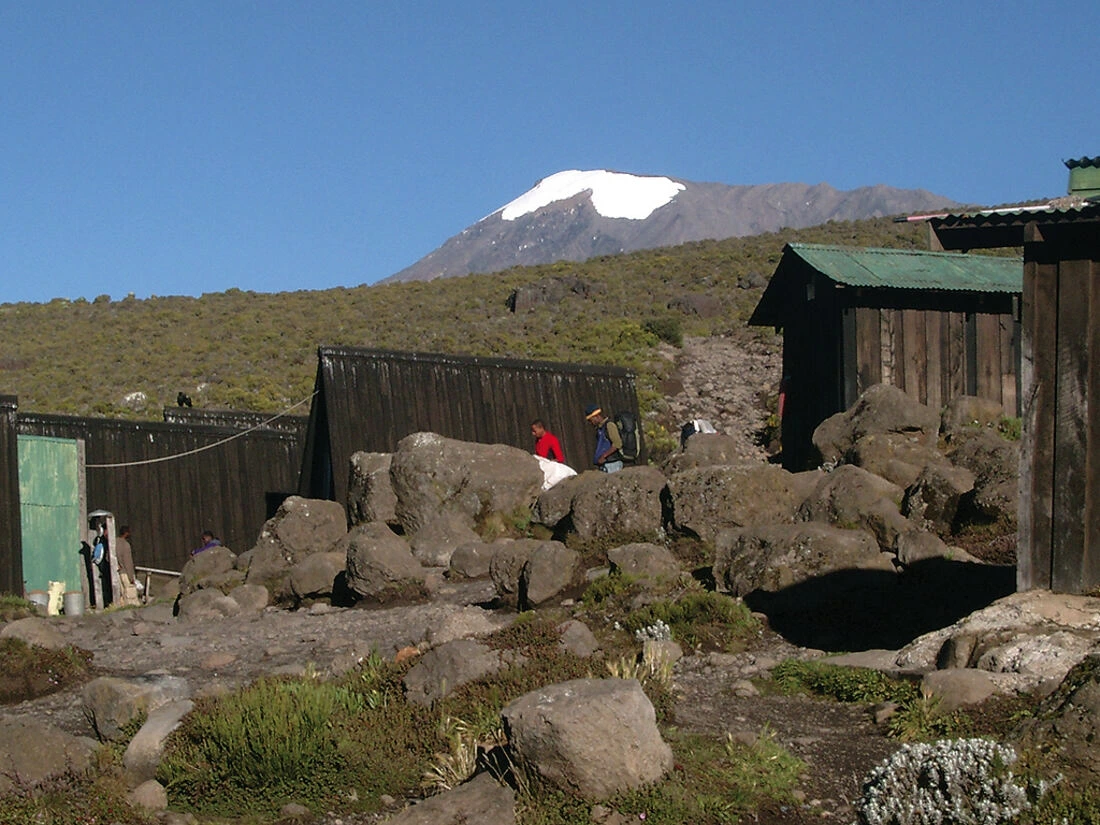
Mandara Hut, located at approximately 2,700 meters, is the first stop and serves as a gentle introduction to the climb. Surrounded by lush rainforest, it offers a calm and scenic environment that allows trekkers to ease into the journey. In contrast, Horombo Hut sits much higher at around 3,720 meters and marks a significant step into the moorland zone, where temperatures drop and altitude effects become more noticeable.
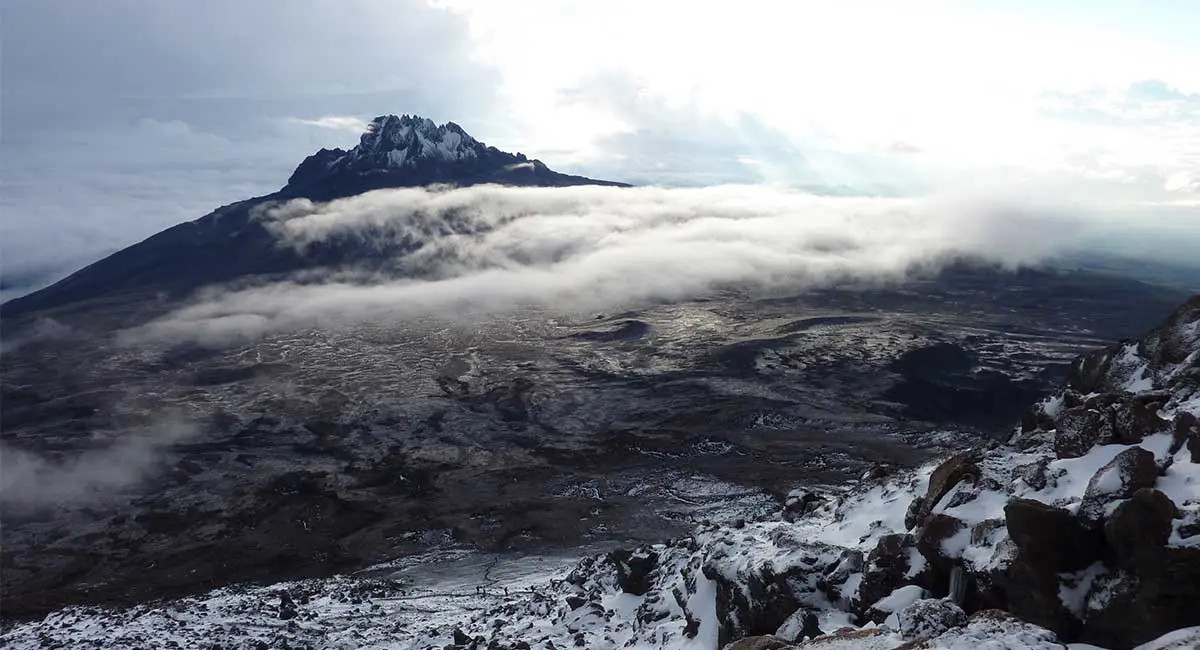
Understanding the differences between these two huts is essential for proper preparation. From changes in landscape and temperature to the impact of altitude on your body, each stage of the climb presents a unique experience that influences your overall success on Kilimanjaro.
As part of professionally guided Kilimanjaro climbing tours, both Mandara and Horombo huts are carefully integrated into the itinerary to ensure safe pacing, effective acclimatization, and a comfortable trekking experience.
Many travelers combine their Kilimanjaro climb with a Tanzania safari, making it even more important to understand each stage of the journey. Knowing what to expect at Mandara and Horombo huts helps you prepare both physically and mentally for one of Africa’s most rewarding adventures.