Article Section
Where is Maasai Mara National Reserve Located?
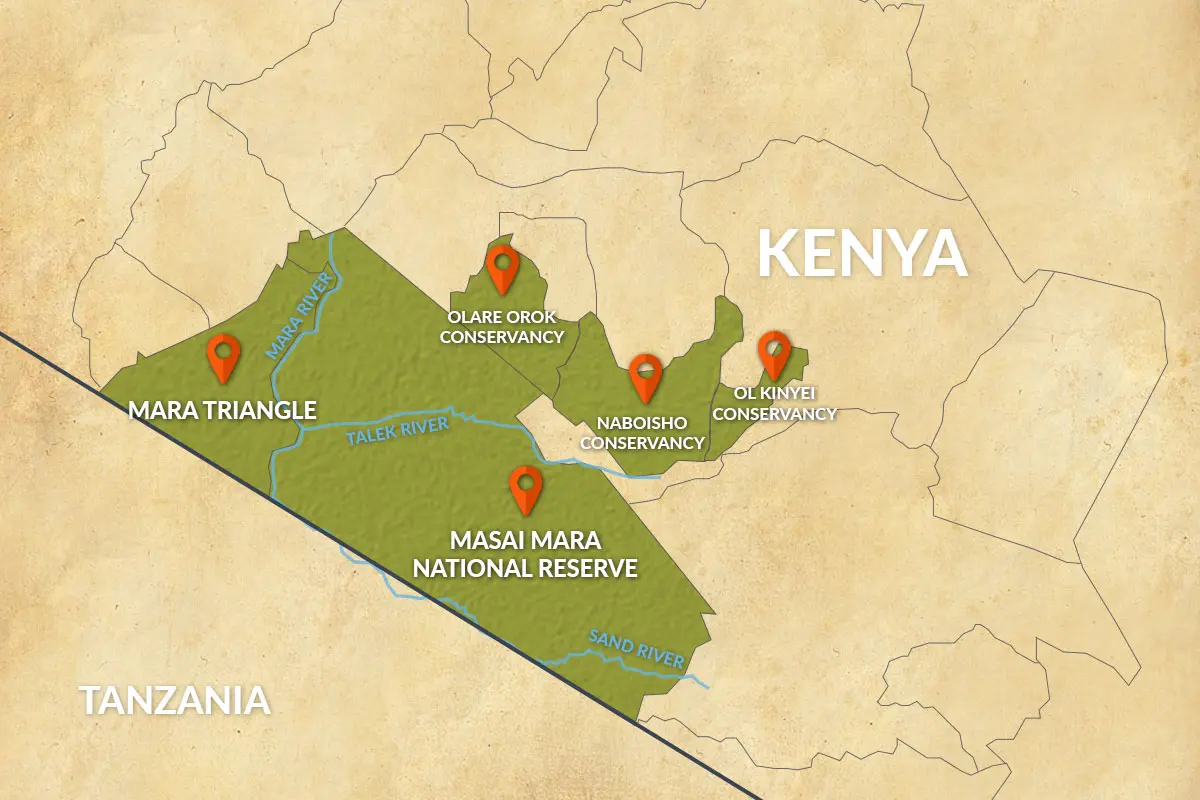
Maasai Mara Map
The Maasai Mara National Reserve is located in southwestern Kenya, close to the border with Tanzania. The reserve lies approximately 270 kilometers west of Nairobi and forms part of the larger Serengeti–Mara ecosystem that stretches across both countries.
To the south, the reserve connects directly with Serengeti National Park, allowing wildlife to move freely between the two protected areas. This connection is what makes the region so important for the famous Great Wildebeest Migration, when vast herds travel across the plains following seasonal rains and fresh grazing.
The Maasai Mara is named after the Maasai people, the traditional pastoralist community who have lived in this region for centuries, and the Mara River that flows through the reserve. In the Maa language, the word “Mara” means “spotted,” describing the scattered acacia trees, shrubs, and wildlife that dot the golden savanna landscape.
Because of its accessibility from Nairobi and its incredible concentration of wildlife, the Maasai Mara has become one of the most popular destinations for travelers exploring Kenya’s spectacular safari parks.
Article Section
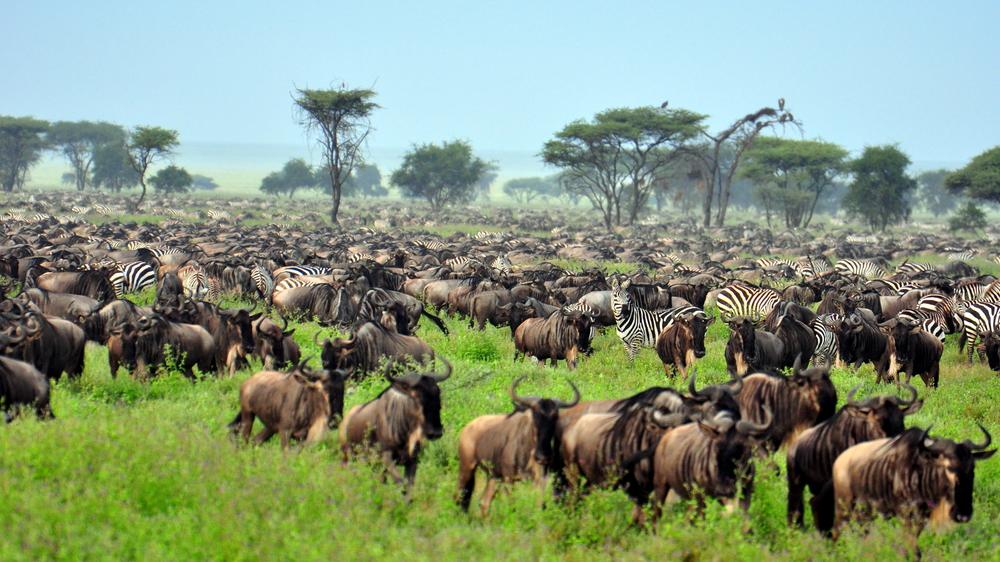
wildlife in the Mara Serengeti area
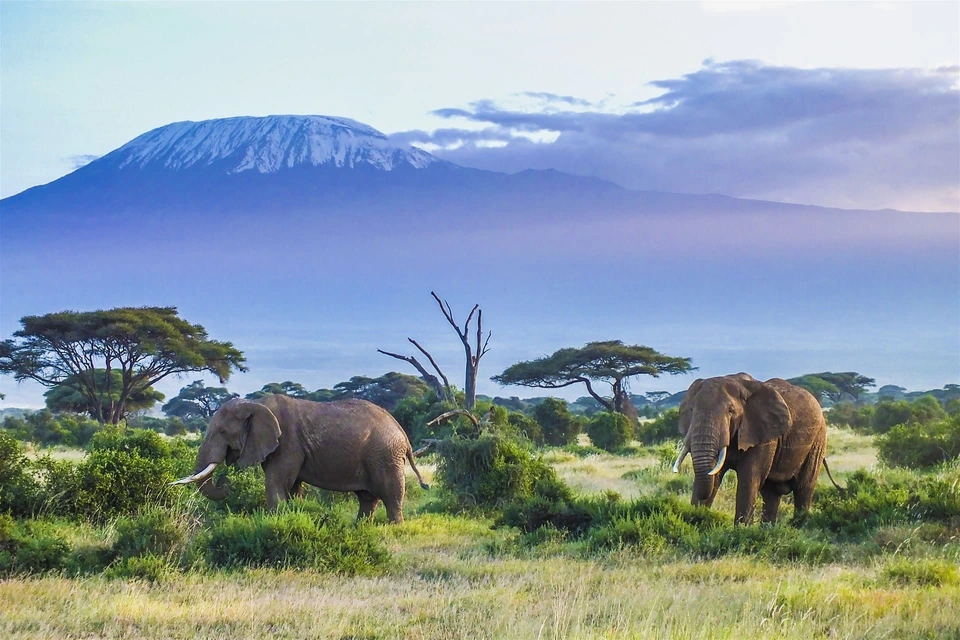
The Maasai Mara National Reserve is widely regarded as one of the best places in Africa to observe wildlife in its natural habitat. The reserve’s vast open plains, scattered acacia trees, and seasonal rivers create an ideal environment for a remarkable variety of animals.
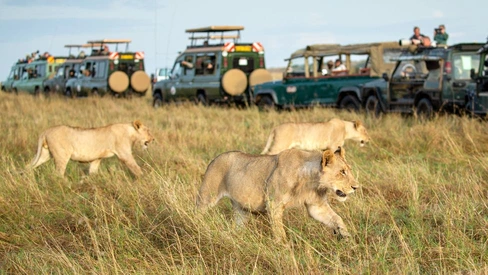
One of the main reasons travelers visit the Maasai Mara is its impressive concentration of predators. The reserve is particularly famous for its large populations of lions, cheetahs, and leopards, which are frequently seen during game drives. Lions are often spotted resting beneath acacia trees or moving across the savanna in search of prey, while cheetahs use the open plains to chase down antelope at incredible speeds.
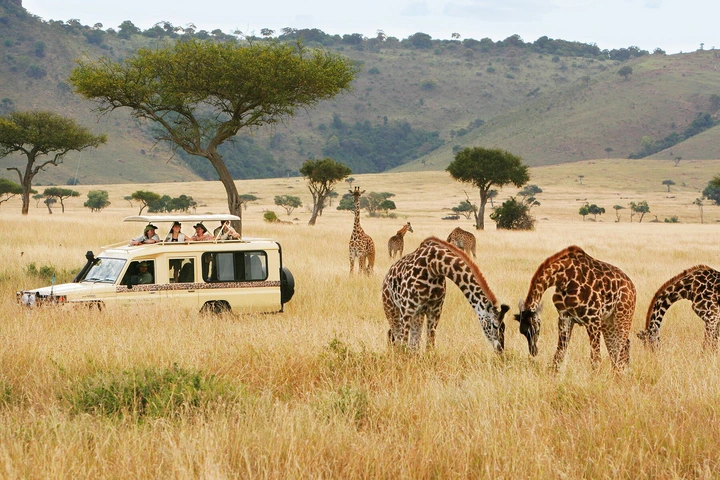
The Maasai Mara is also home to large herds of herbivores that roam across the landscape throughout the year. Visitors commonly encounter animals such as zebras, wildebeest, giraffes, buffalo, elephants, and several species of antelope including impalas, gazelles, and topis. These abundant prey species support the thriving predator populations that make the reserve such an exciting safari destination.
For many visitors, one of the highlights of a safari in the Maasai Mara is the opportunity to see the famous Big Five — lions, elephants, leopards, buffalo, and rhinos. Although rhinos are less common than the other four animals, sightings are still possible within the reserve and nearby conservancies.
Because of its incredible biodiversity and excellent wildlife visibility, the Maasai Mara remains one of the most rewarding places in Africa for unforgettable safari encounters.
Article Section
The Great Wildebeest Migration in Maasai Mara
Hot Air Balloon Safari in Mara Serengeti
One of the most extraordinary natural events on Earth takes place every year between the Serengeti National Park and the Maasai Mara National Reserve. Known as the Great Wildebeest Migration, this annual movement of wildlife is considered one of the most spectacular wildlife events on the planet.
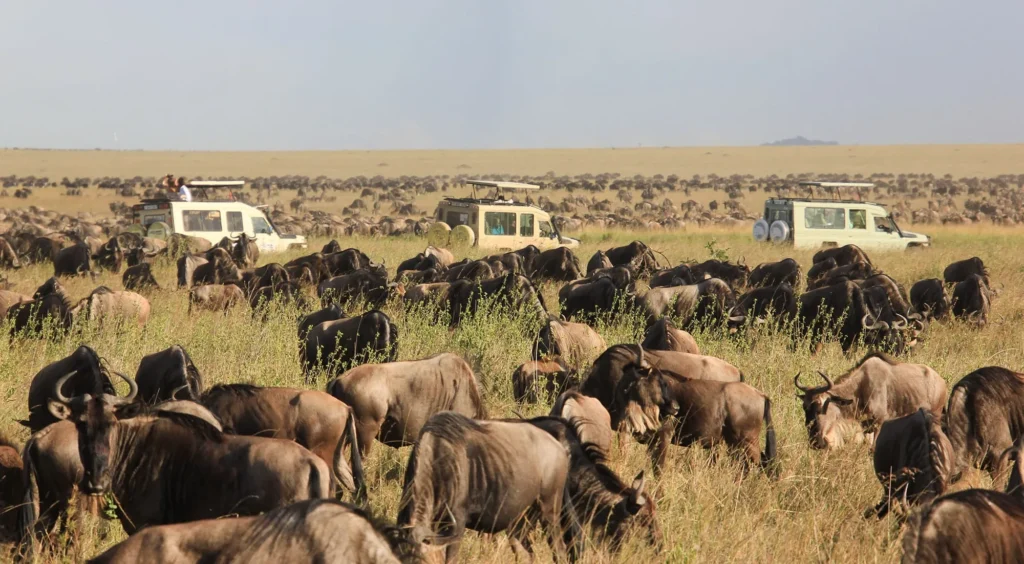
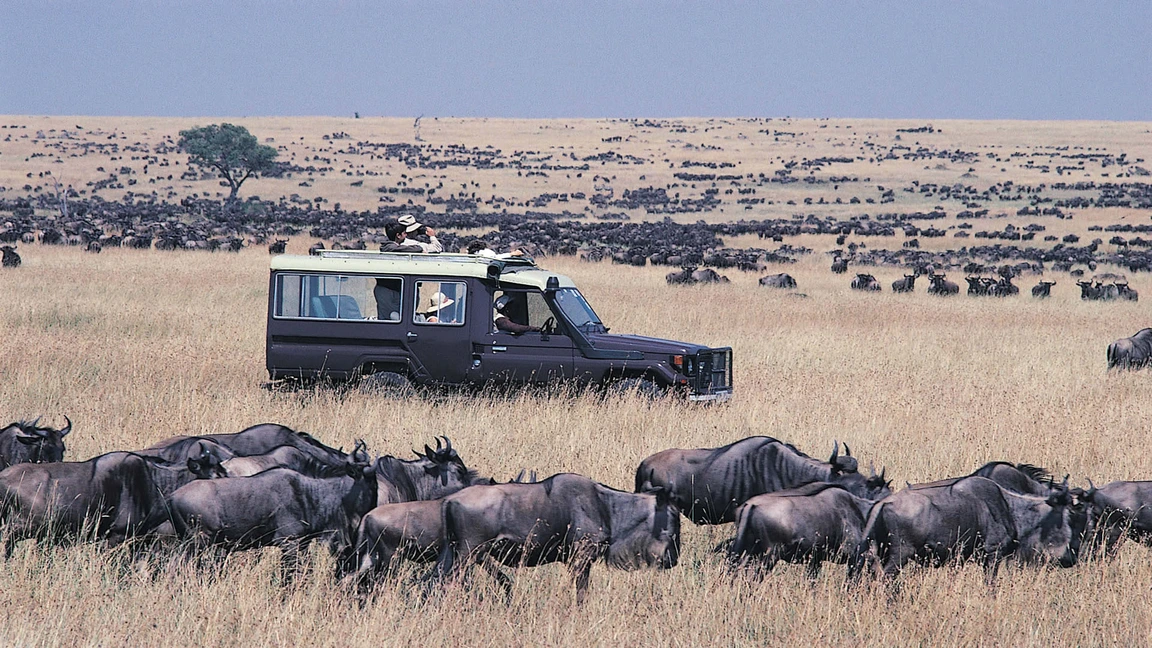
Each year, more than 1.5 million wildebeest, along with hundreds of thousands of zebras and gazelles, travel across the vast plains of the Serengeti–Mara ecosystem in search of fresh grazing and water. As the dry season approaches, the massive herds move northward from Tanzania’s Serengeti into Kenya’s Maasai Mara.
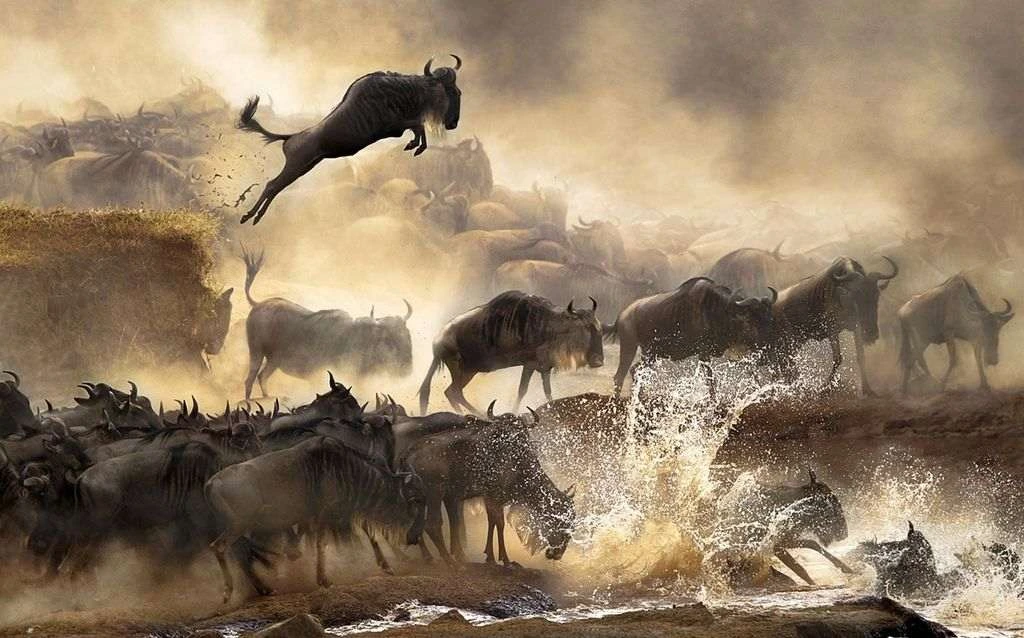
Between July and October, the Maasai Mara becomes the stage for one of the most dramatic moments of the migration — the famous Mara River crossings. During these crossings, thousands of animals plunge into the river as they attempt to reach the greener pastures on the other side. The journey is dangerous, as strong currents and large Nile crocodiles wait in the waters, while predators such as lions and hyenas patrol the riverbanks.
For travelers visiting during this season, witnessing a river crossing is one of the most unforgettable safari experiences in Africa. The sheer number of animals, combined with the intensity of the moment, creates a powerful display of nature’s raw survival instincts.
Because the migration moves between Tanzania and Kenya throughout the year, many safari itineraries combine visits to both the Serengeti and the Maasai Mara to follow the movement of the herds and experience different stages of this remarkable wildlife journey.
Article Section
Best Time to Visit Maasai Mara
The Hot-air ballon experience in Maasai Mara
The Maasai Mara National Reserve offers exceptional wildlife viewing throughout the year, but certain seasons provide unique experiences for visitors planning a safari in this famous reserve.
July to October – Great Migration Season
This period is considered the most spectacular time to visit the Maasai Mara. During these months, the Great Wildebeest Migration reaches the reserve as massive herds arrive from Serengeti National Park. Travelers may witness dramatic river crossings at the Mara River as thousands of wildebeest and zebras attempt to cross while predators wait nearby. Wildlife viewing during this season is extraordinary because of the large concentration of animals.
December to March – Excellent Wildlife Viewing
These months offer warm temperatures, clear skies, and excellent conditions for photography. Wildlife remains abundant, and predator sightings are common as lions, cheetahs, and leopards hunt across the open plains. This period is also less crowded than the peak migration season.
April to May – Green Season
The long rainy season transforms the Maasai Mara into a lush and vibrant landscape. Although rain showers occur more frequently, the scenery becomes beautifully green, and the reserve receives fewer visitors. Birdwatching is particularly rewarding during this time as many migratory species arrive in the region.
Because wildlife remains in the reserve year-round and the open savanna makes animals easier to spot, the Maasai Mara consistently offers rewarding safari experiences regardless of the season. However, travelers hoping to witness the dramatic spectacle of the Great Migration should plan their visit between July and October.
Article Section
Safari Activities in Maasai Mara
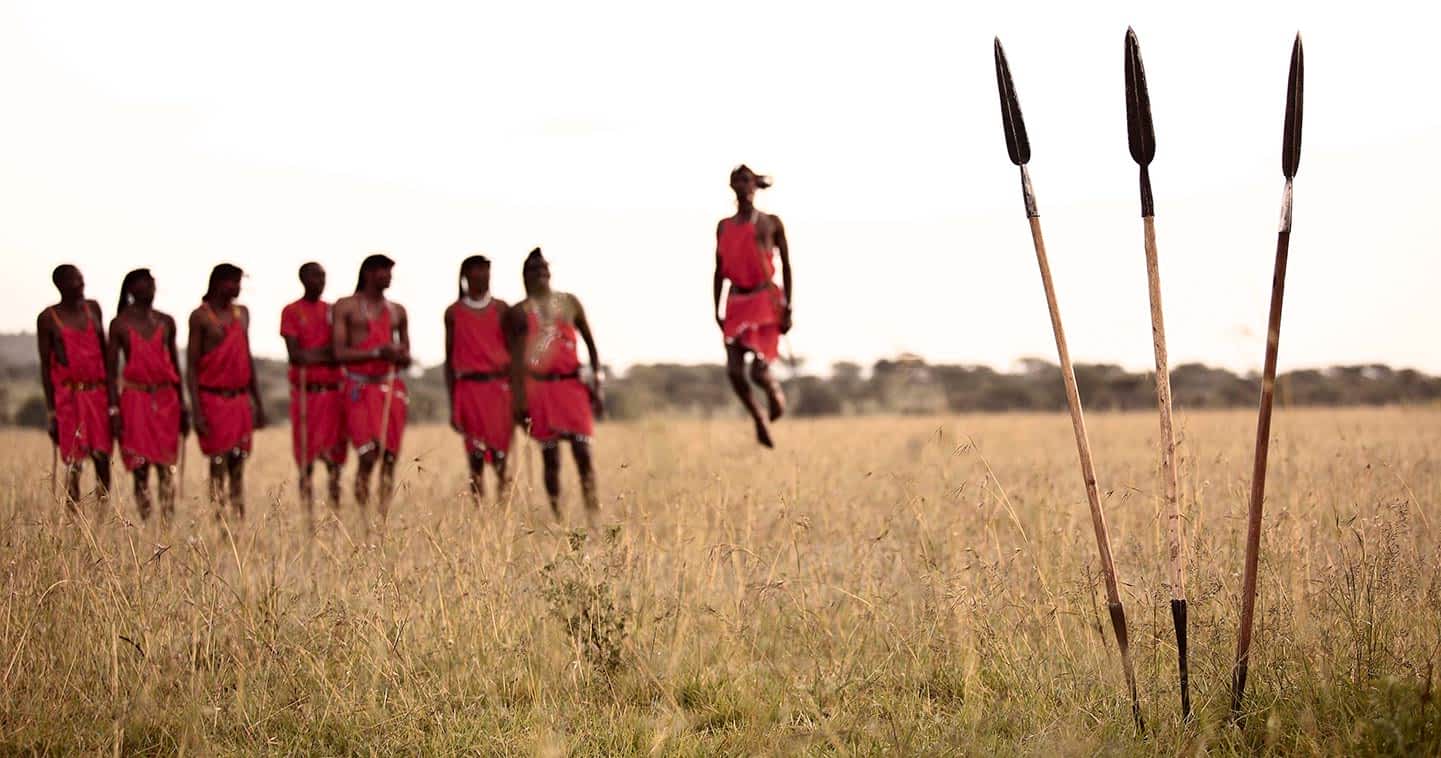
Maasai Village in Maasai Mara
A visit to the Maasai Mara National Reserve offers far more than simply viewing wildlife. The reserve provides a variety of safari activities that allow travelers to explore its landscapes, observe animals in their natural habitat, and experience the culture of the region.
Game Drives
Game drives are the most popular activity in the Maasai Mara. Visitors explore the reserve in specially designed safari vehicles accompanied by experienced guides who help track wildlife and explain the behavior of animals. Early morning and late afternoon drives are particularly rewarding, as many animals are most active during these cooler hours of the day.
Hot Air Balloon Safaris
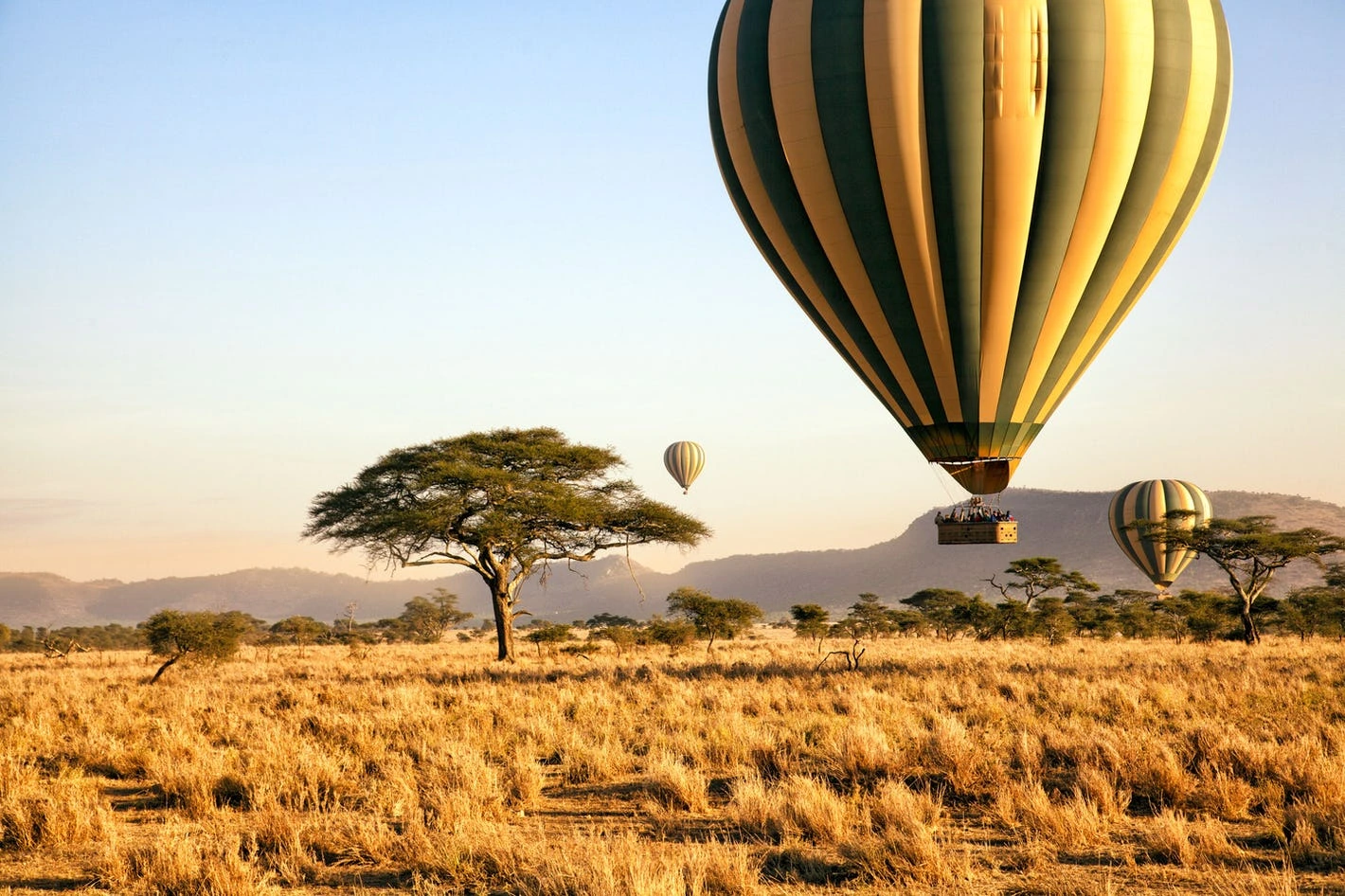
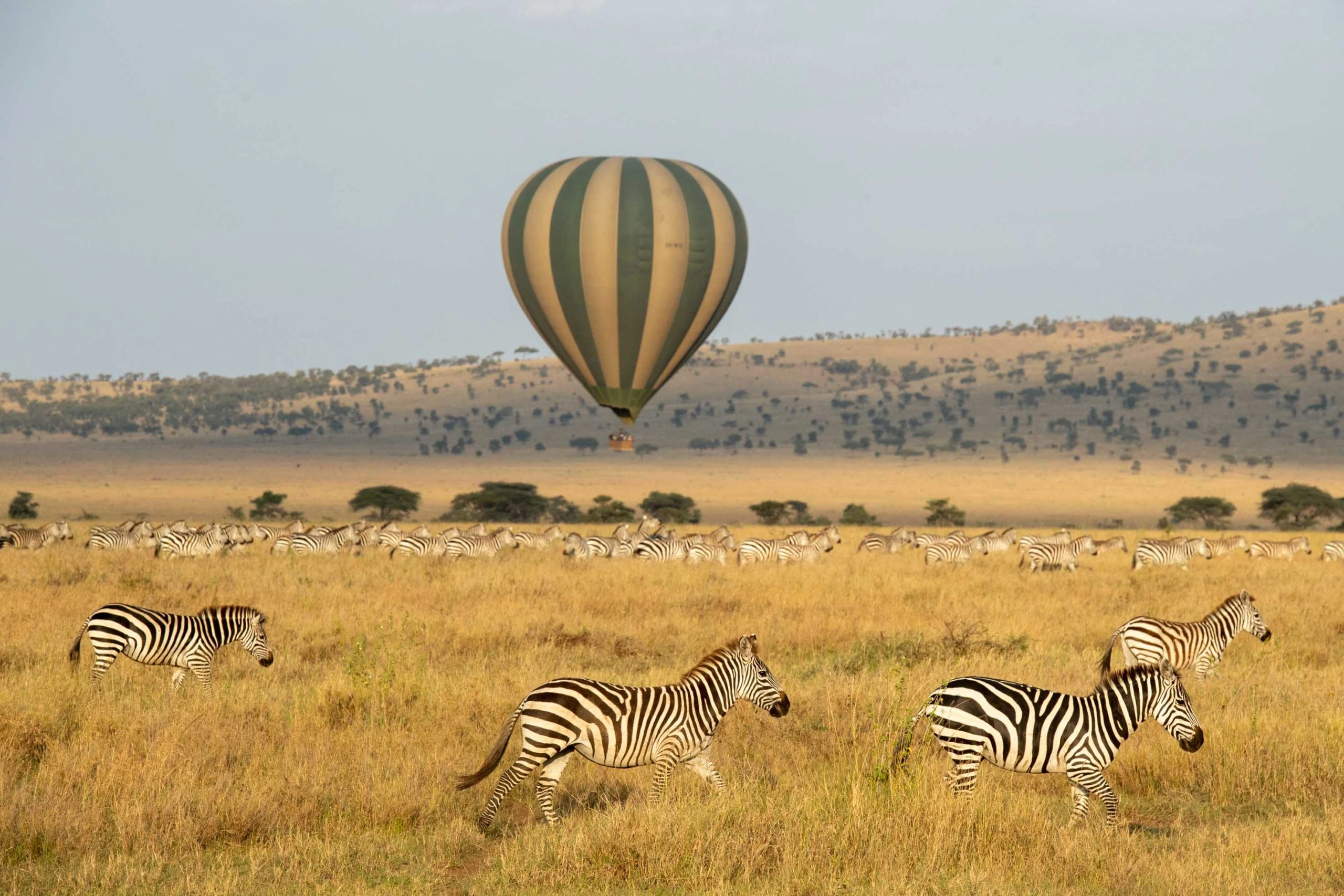
One of the most unforgettable experiences in the Maasai Mara is a sunrise hot air balloon safari. As the balloon rises above the savanna, travelers enjoy breathtaking aerial views of the landscape and wildlife below. From the air, it is possible to see herds of wildebeest, elephants, giraffes, and other animals moving across the plains.
Guided Walking Safaris
Some conservancies around the Maasai Mara offer guided walking safaris that allow visitors to explore the bush on foot with trained guides. Walking safaris provide a unique perspective on the ecosystem, focusing on smaller details such as animal tracks, plants, and insects that are often missed during vehicle-based safaris.
Cultural Visits to Maasai Villages
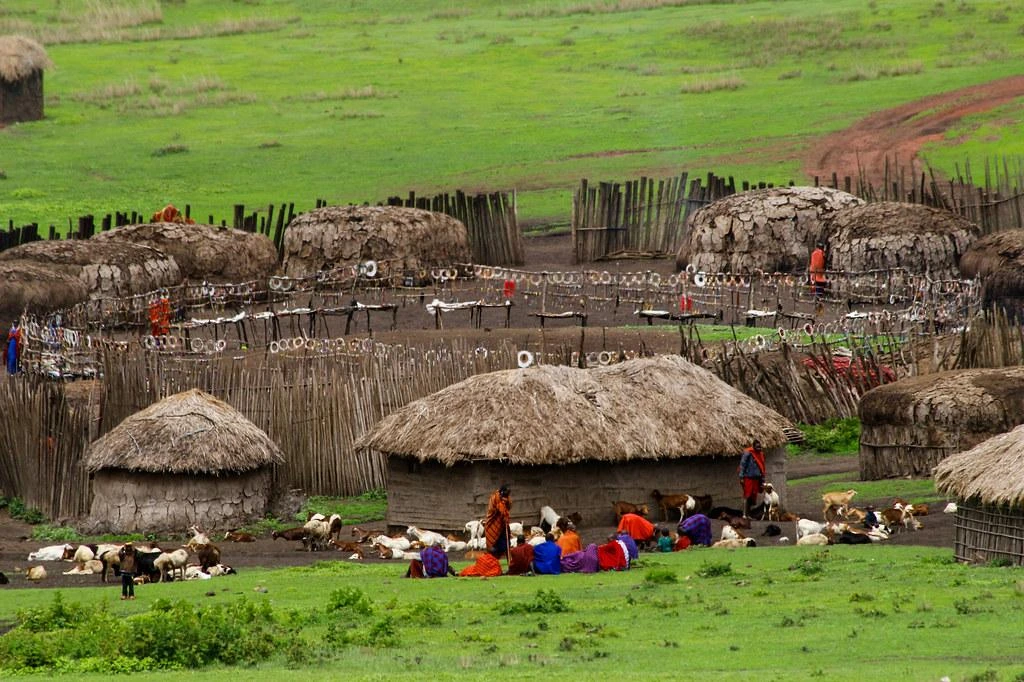
Travelers can also visit nearby Maasai communities to learn about the traditions and lifestyle of the Maasai people. These visits often include demonstrations of traditional dances, explanations of local customs, and opportunities to see traditional homes known as manyattas. Cultural visits provide a deeper understanding of the relationship between the Maasai people and the surrounding landscape.
With these diverse activities, the Maasai Mara offers a rich and immersive safari experience that combines wildlife encounters, breathtaking scenery, and meaningful cultural interactions.
Article Section
Why Maasai Mara is One of Africa’s Best Safari Destinations
Game drive in Maasai Mara
The Maasai Mara National Reserve is widely considered one of the best safari destinations in Africa. Its combination of abundant wildlife, breathtaking landscapes, and remarkable natural events makes it one of the most rewarding places for travelers seeking an authentic African safari experience.
One of the main reasons the Maasai Mara stands out is its exceptional concentration of wildlife. The open savanna landscape allows visitors to easily spot animals, making wildlife viewing both frequent and exciting. Large populations of lions, cheetahs, elephants, giraffes, and other iconic species roam freely across the reserve’s plains.
Another major highlight is the reserve’s role in the famous Great Wildebeest Migration, which connects the Maasai Mara with Serengeti National Park. During this annual event, millions of animals move across the Serengeti–Mara ecosystem in search of fresh grazing, creating one of the most spectacular wildlife displays on the planet.
The Maasai Mara also offers diverse landscapes that include open grasslands, rolling hills, riverine forests, and the life-giving Mara River. These varied environments support a wide range of wildlife species and provide beautiful scenery for photography and safari exploration.
Because of its rich biodiversity, excellent wildlife visibility, and unforgettable safari experiences, the Maasai Mara remains one of Africa’s most iconic wildlife destinations and a highlight for travelers exploring the natural wonders of East Africa.
Article Section
Maasai People in Serengeti
The Maasai Mara National Reserve remains one of Africa’s most extraordinary wildlife destinations, offering unforgettable safari experiences in one of the continent’s most iconic landscapes. From its vast golden savannas and rich wildlife populations to the dramatic scenes of the Great Wildebeest Migration, the Maasai Mara provides travelers with a rare opportunity to witness nature at its most spectacular.
Its close ecological connection with Serengeti National Park also makes the region part of one of the world’s most remarkable wildlife ecosystems. Each year, millions of animals move across these plains in search of fresh grazing, creating a natural phenomenon that attracts visitors from around the globe.
For travelers planning a Kenya safari, the Maasai Mara is often considered the highlight of the journey. Whether watching lions roam the savanna, observing elephants near the Mara River, or witnessing the migration crossings, every safari in this reserve offers extraordinary moments in the African wilderness.
Exploring the Maasai Mara can also be part of a broader East Africa safaris, combining destinations across Kenya and Tanzania to experience diverse landscapes and wildlife encounters. With its incredible biodiversity, dramatic scenery, and world-famous migration, the Maasai Mara continues to stand as one of the most celebrated safari destinations in Africa.